Sep 25, 2026 · 1h 6m
AI vending turns location strategy into a retail advantage
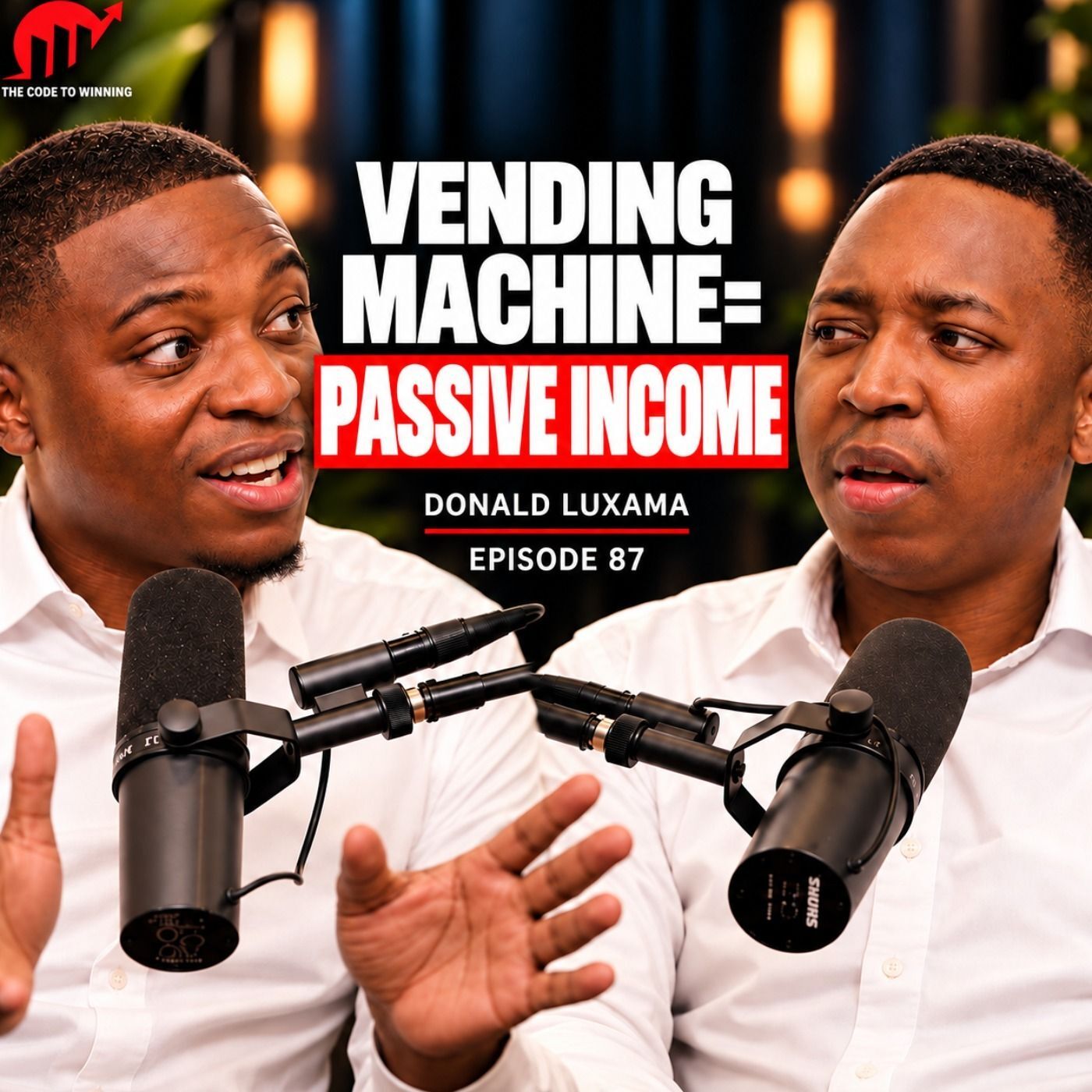
HOW TO START AND RUN A SUCCESSFUL VENDING MACHINE BUSINESS || DONALD LUXAMA || EPISODE 087
The episode shows how operators can test demand, control costs, and use automation without mistaking vending for passive income.
- 1Profitable vending starts with location economics, customer constraints, and a realistic path to recovering equipment costs.
- 2AI machines improve inventory visibility and pricing flexibility, but traditional machines remain better suited to some environments.
- 3Donald Luxama treats content, experimentation, and community-building as growth engines alongside the machines themselves.
Don't miss
Donald describes using Claude to identify prospects and send outreach that helped secure a Pokémon vending-machine location.
The brief
Donald Luxama traces his entry into vending from college side hustles to a route business built around location selection, product testing, and disciplined returns.
The central lesson is that machines do not create demand on their own: foot traffic, customer time constraints, nearby competition, and commissions determine whether a site works.
AI vending adds camera monitoring, cashless checkout, flexible pricing, and inventory data, but it also brings equipment costs, regulation, maintenance, and new operational risks.
Donald’s use of AI research tools to identify prospects and secure a Pokémon vending location shows how outreach can become part of the operating system.
The episode’s broader argument is that vending is semi-passive at best; durable growth comes from testing carefully, teaching publicly, and helping other operators succeed.