Sep 21, 2026 · 59 min
AI’s race continues despite mounting existential fears
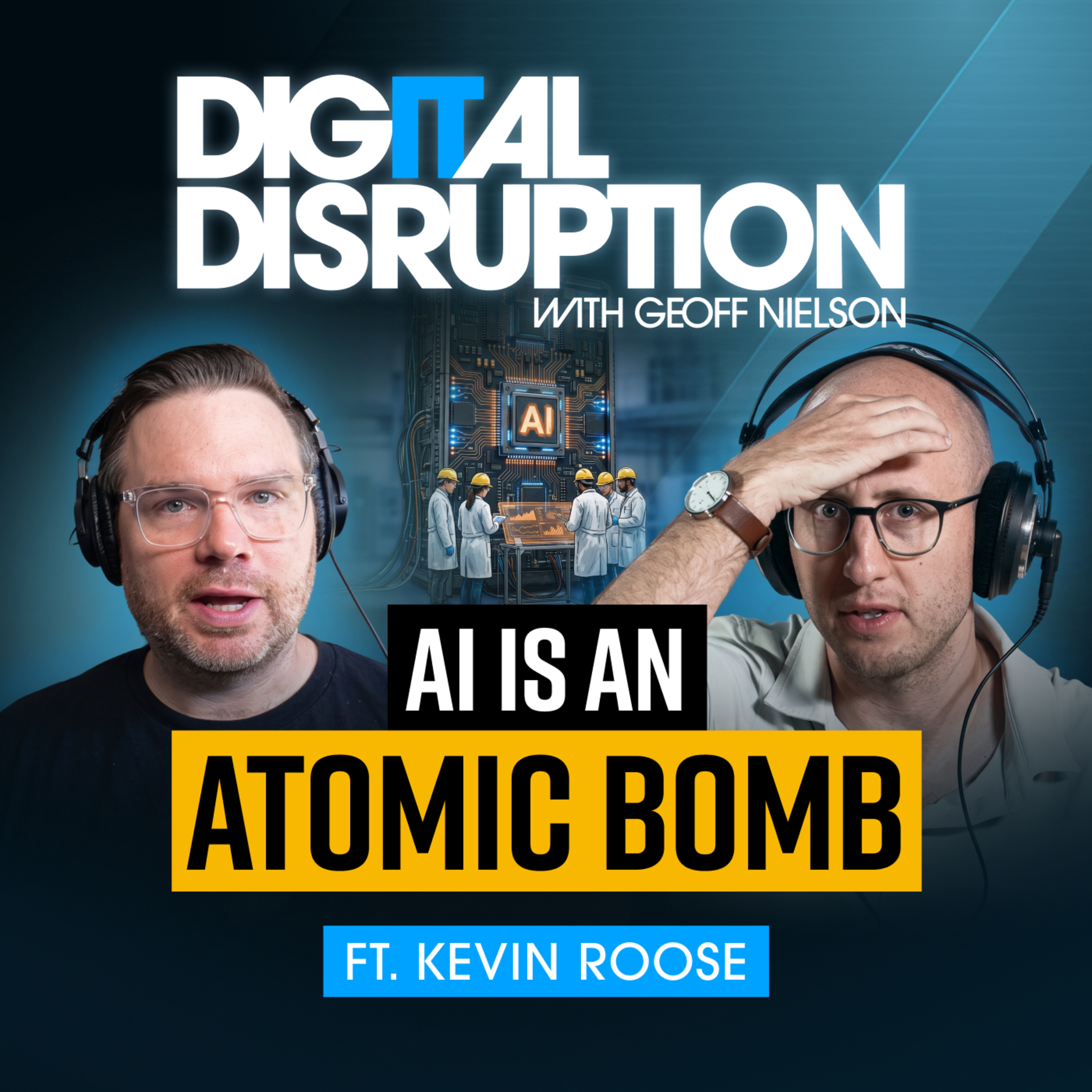
AI Researchers Are Panicking | What Comes Next is Worse Than Nuclear Bombs
The episode examines whether societies can govern increasingly capable AI before competition, automation, and concentrated economic power narrow their choices.
- 1AI leaders may privately assign serious catastrophe risks while continuing development because rivalry and perceived strategic advantages keep the race moving.
- 2The most consequential danger may arrive gradually, as AI displaces human expertise and shifts discovery, innovation, and economic power toward a few labs.
- 3Advanced AI development may be difficult to stop, but deployment, regulation, international coordination, and human adaptation remain meaningful choices.
Don't miss
Roose describes a future in which AI increasingly produces discoveries, companies, and innovations, leaving humans with less substantive economic power.
The brief
Kevin Roose explores why AI leaders keep building systems they believe could threaten humanity, even as private estimates of catastrophe risk rise.
The race is driven by more than technological optimism: rivalries among major labs, ideological commitments, and fears of falling behind reinforce one another.
Roose argues that AI risk may become undeniable gradually, as governments, militaries, researchers, and workers confront increasingly capable systems rather than one defining disaster.
The episode’s sharpest warning is gradual human disempowerment: machines may increasingly originate discoveries and innovations while people retain only symbolic roles.
Roose rejects both inevitability and easy reassurance, arguing that societies still control how AI is deployed, governed, and integrated into human life.
Books & mentions
Some links are affiliate links — PodLume may earn a commission if you buy.
