Oct 12, 2026 · 59 min
Discipline turns adversity into forward motion
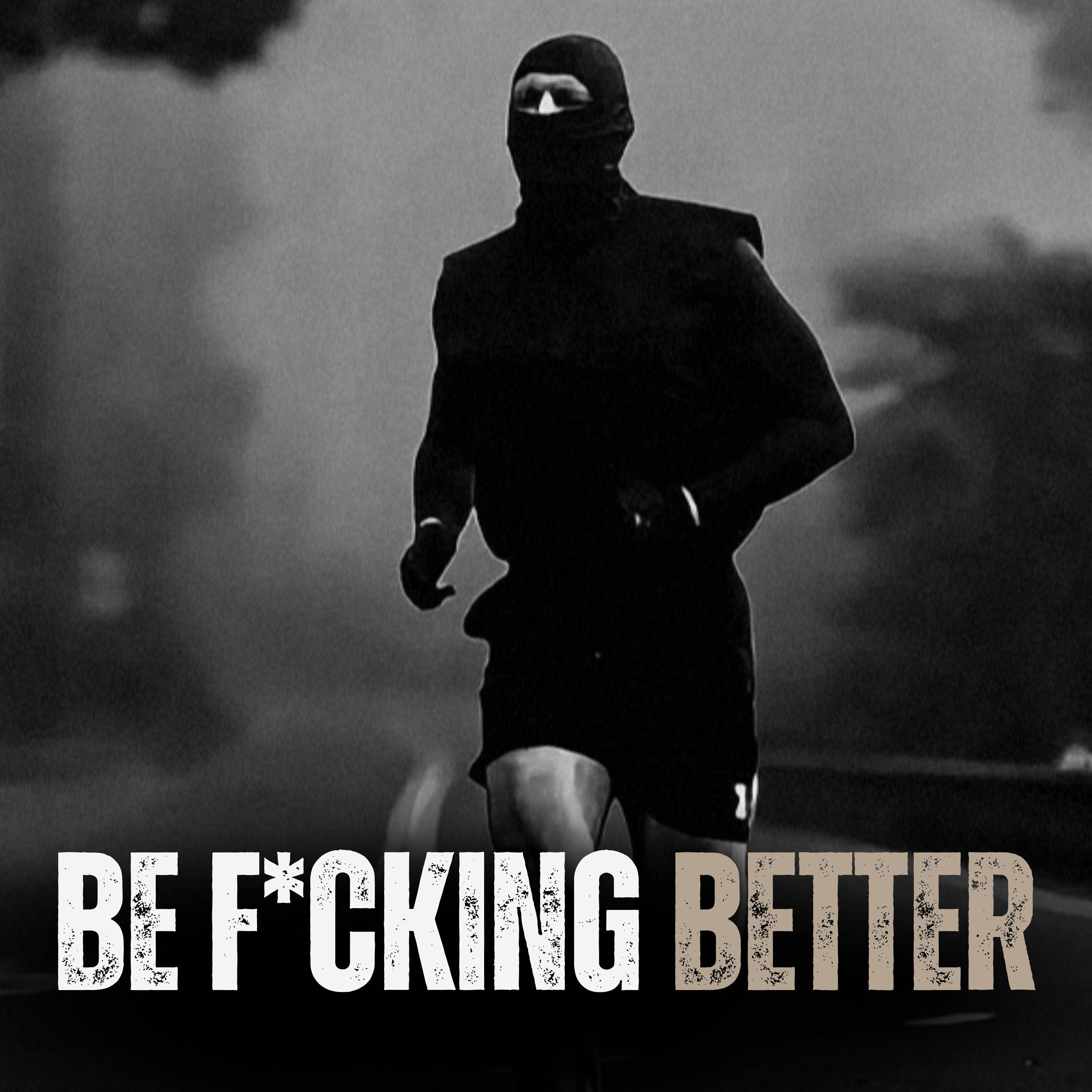
BE F*CKING BETTER - Motivational Speech
The episode argues that progress depends less on favorable conditions or talent than on taking responsibility and repeating difficult actions.
- 1Action breaks fear and converts uncertainty, setbacks, and discomfort into information for the next attempt.
- 2Long-term goals survive when people protect their focus, schedule daily work, and reject instant gratification.
- 3Consistency and disciplined self-talk matter more than motivation, recognition, or natural talent when pressure persists.
Don't miss
The closing lion-and-hunter metaphor crystallizes the episode’s argument that commitment means pursuing the goal after motivation and comfort disappear.
The brief
The episode opens with a relentless premise: adversity, criticism, and pressure are not reasons to retreat but forces that can harden responsibility and sharpen the pursuit of long-term goals.
Fear and uncertainty lose their power when action becomes the response. The message favors assessing what remains controllable, making a plan, and treating attempts as learning rather than failure.
The speech turns inward, describing negative self-talk, comparison, and distraction as battles that can derail progress. Clear vision and honest self-assessment replace excuses, repeated promises, and waiting for ideal conditions.
Its practical center is discipline: keep goals visible, schedule priorities, start with small tasks, and continue after motivation fades. Consistency, not talent or recognition, becomes the measure of commitment.
The closing metaphor casts the committed person as a hunter who keeps pursuing the goal through pain and doubt, using pressure as preparation rather than proof of defeat.
The episode’s final claim is that potential becomes credible only through repeated work: reject mediocrity, control the mind, and let daily effort demonstrate the change.