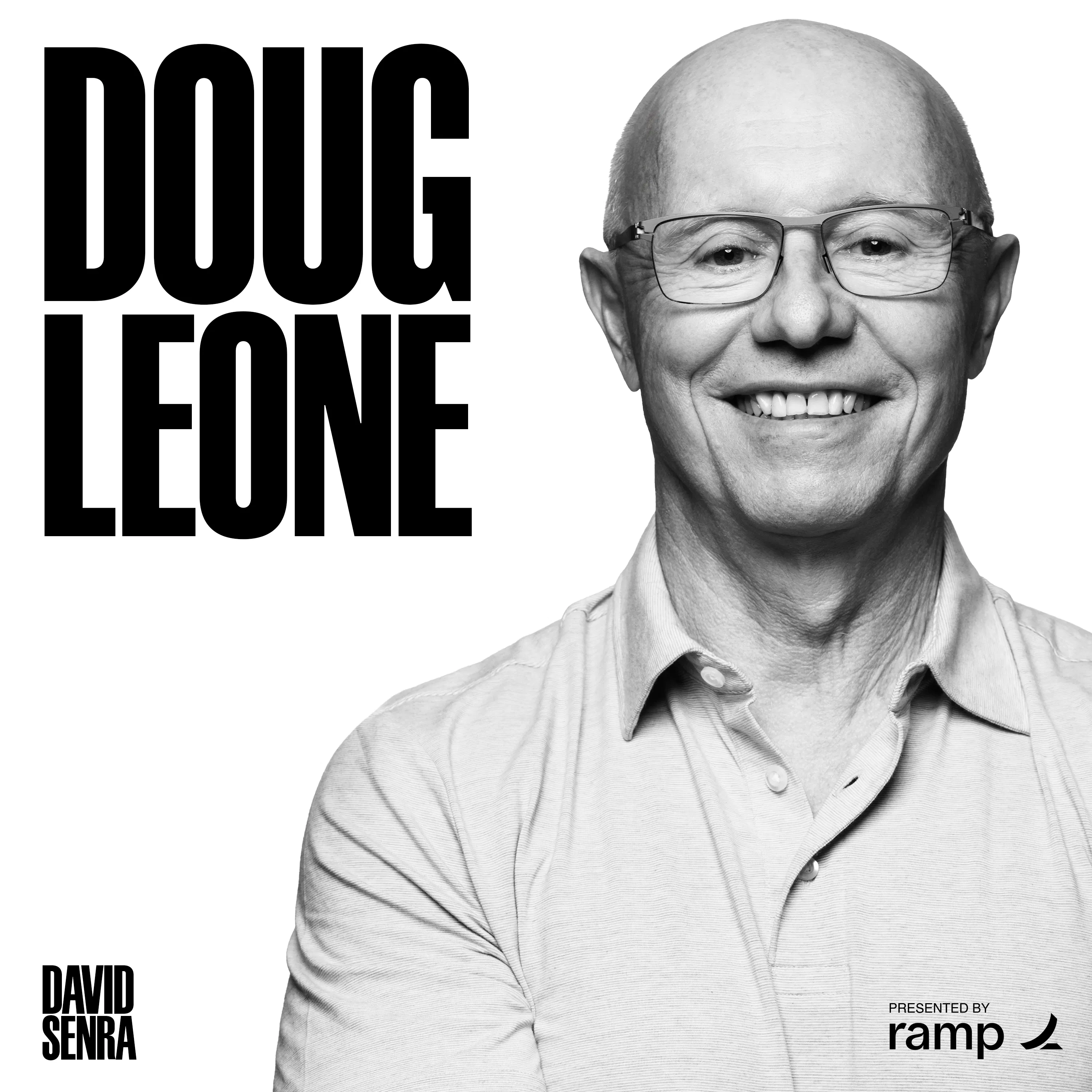
Aug 30, 2026 · 1h 22m
Doug Leone returns to Sequoia for the AI era
Doug Leone on Sequoia, Fear, Great Founders & Starting Over at 69
Doug Leone’s account connects immigrant insecurity, venture judgment, succession, and reinvention to the challenge of investing through a technological upheaval.
- 1Leone turned fear, humiliation, and immigrant insecurity into ambition while trying not to let resentment dictate his character.
- 2His venture framework seeks extreme outliers, durable founder partnerships, and boards designed for candid, high-quality decisions.
- 3Returning to Sequoia at 69 forces Leone to rebuild relationships, apply lessons from missed opportunities, and learn a transformed market.
Don't miss
Leone explains why he returned to Sequoia at 69, despite anxiety about rebuilding his network among much younger founders during the AI revolution.
The brief
Doug Leone traces his ambition to immigrant insecurity, class differences, humiliation, and fear, while arguing that hardship must become constructive drive rather than cruelty or self-pity.
After stepping down to make room for succession, Leone found boards and a biotech company could not replace Sequoia’s intensity; he returned at 69, anxious about starting over during the AI revolution.
Leone’s investment test is severe: would he invest his children’s money, rank the opportunity among only 20 lifetime investments, and believe it could return an entire fund?
He says venture investors back founders more than products, preserving a company’s soul through refounding moments, while trust depends on both competence and intentions.
The conversation turns to missed opportunities, Don Valentine’s succession, Michael Moritz’s lessons in listening, and the deliberate design of boards that help founders discover hard conclusions.
The standout tension is Leone’s return to a younger founder generation: his experience remains valuable, but access, relationships, and judgment must be rebuilt from scratch.
Books & mentions
Some links are affiliate links — PodLume may earn a commission if you buy.

The Little Kingdom
The book came up in the discussion of Apple, Steve Jobs, and how companies preserve or recover their identity.

The Return of the Little Kingdom
This revised Apple history extends the conversation about refounding and Steve Jobs’s leadership.

NVIDIA Way
The company history provides context for NVIDIA’s transformation from graphics chips into an AI company.