Oct 13, 2026 · 1h 6m
Listen from 45:59
Listen at 45:59
Estrogen shortages expose the hidden economics of healthcare
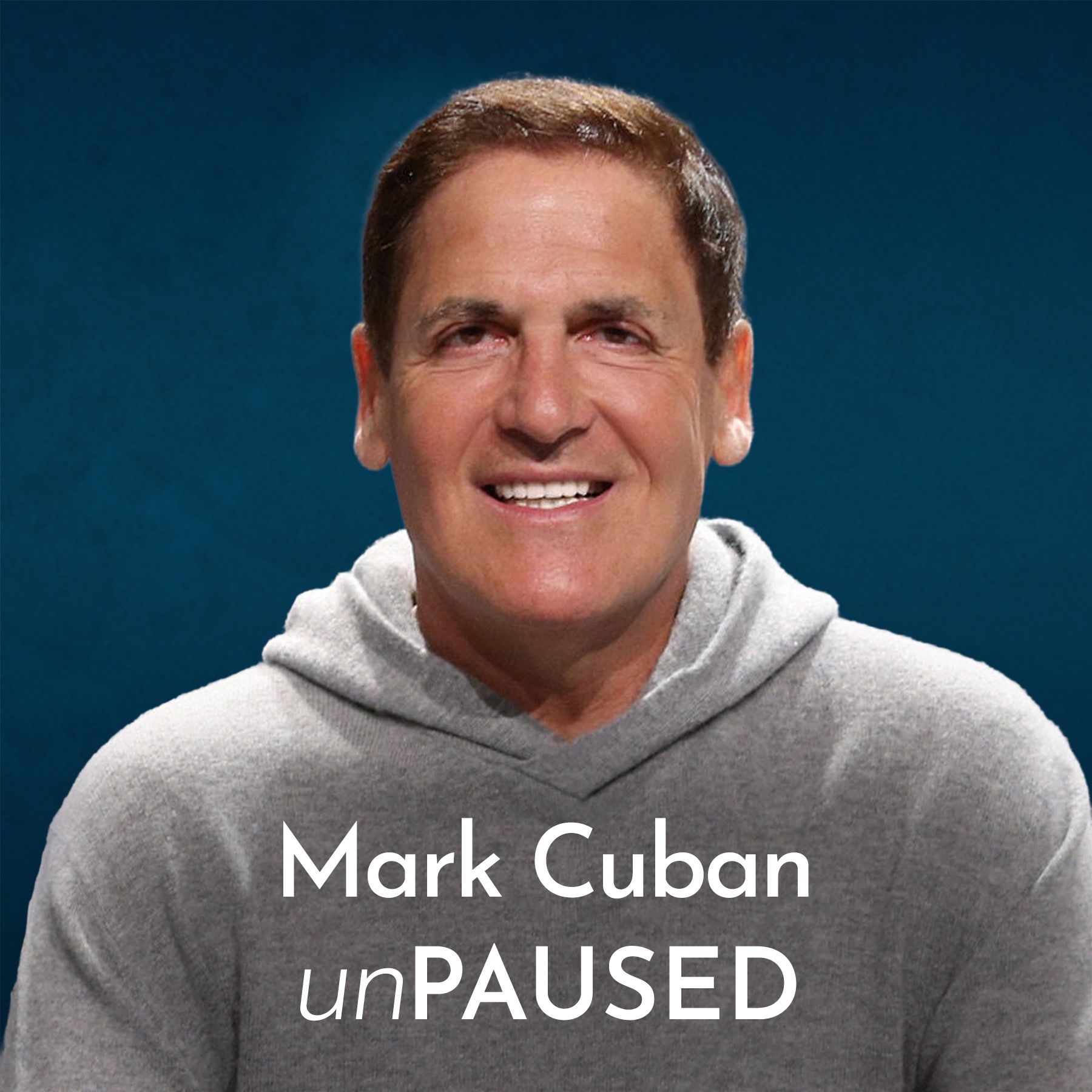
Estrogen Patch Shortage: Who Profits From Your Prescriptions with Mark Cuban
The episode connects patch shortages and uneven prescription costs to manufacturing limits, PBM incentives, fragmented coverage, and chronic underinvestment in women’s health.
- 1Estrogen patch demand is rising faster than manufacturers can expand supply, making access depend partly on industry relationships.
- 2Cost Plus Drugs presents transparent pricing, while insurers, PBMs, and vertically integrated companies can obscure how prescription costs are set.
- 3Affordable vaginal estrogen and better health-plan literacy offer practical ways to reduce costs amid broader failures in women’s healthcare.
Don't miss
Mark Cuban explains why securing estrogen patches during a shortage can require paying more and relying on manufacturer relationships.
The brief
Mary Claire Haver and Mark Cuban begin with a simple disparity: women can pay radically different prices for the same estrogen prescription, revealing a healthcare market few patients can see.
Cuban explains how Cost Plus Drugs calculates prices from a benchmark, manufacturer cost, fixed markup, pharmacy labor, and shipping, contrasting that model with opaque formularies and retail cash prices.
The estrogen patch shortage reflects surging demand, manufacturing constraints, and supply-chain relationships; when products are scarce, access can depend on which buyers manufacturers prioritize.
Their discussion widens to PBMs, insurers, and vertically integrated healthcare companies that can retain margins across subsidiaries while patients face confusing coverage rules and higher costs.
The practical counterpoint is affordable vaginal estrogen, alongside advice to study formularies, deductibles, and out-of-pocket rules before accepting a prescription’s first quoted price.
Haver and Cuban link these pricing failures to the underfunding of women’s health, arguing that untreated menopause and related conditions carry costs for families, workplaces, and the wider economy.