Oct 15, 2026 · 1h 49m
FBI negotiator shows how preparation beats panic
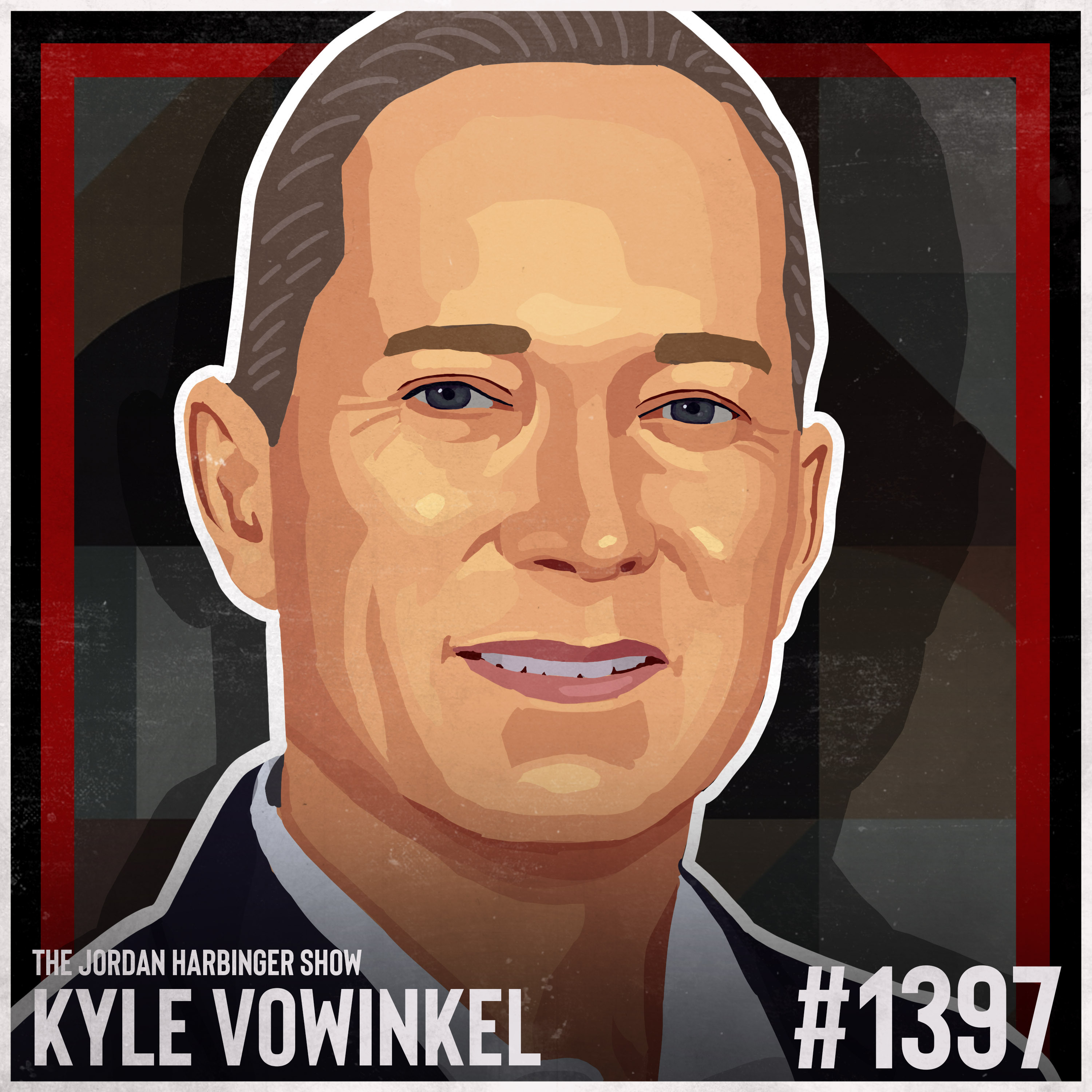
1397: Kyle Vowinkel | How an FBI Negotiator Keeps Cool Under Fire
The episode examines how negotiators manage fear, preserve a subject’s agency, and combine communication with force when lives are at stake.
- 1Preparation, tactical pauses, and controlled breathing help negotiators recover judgment when stress narrows attention.
- 2Rapport and meaningful choices can create cooperation where flashbangs, weapons, and pressure have failed.
- 3Mission-first leadership means moving truth upward, sharing credit, and making hard decisions before crisis pressure peaks.
Don't miss
Vowinkel describes using the Boston suspect’s wrestling identity and offering choices to bring him out of the boat alive.
The brief
Former FBI negotiator Kyle Vowinkel revisits the Boston standoff, where tactical force failed to draw out the bombing suspect and he stepped forward to make contact.
Vowinkel used the suspect’s wrestling background, nickname, and request for water to turn silence into dialogue, showing how specific rapport can outperform generic pressure.
The conversation moves from breathing and tactical pauses to earned confidence: under threat, negotiators must interrupt tunnel vision before it dictates the next decision.
Cases involving Michael Scott Moore and the Alabama bunker show negotiation’s limits and value, including intelligence work, medication deliveries, and a rescue combining toys, explosives, and a canine.
Vowinkel’s broader lesson is mission-first leadership: preserve agency when possible, tell the truth, absorb pressure, and combine influence with force when circumstances demand it.