Sep 22, 2026 · 34 min
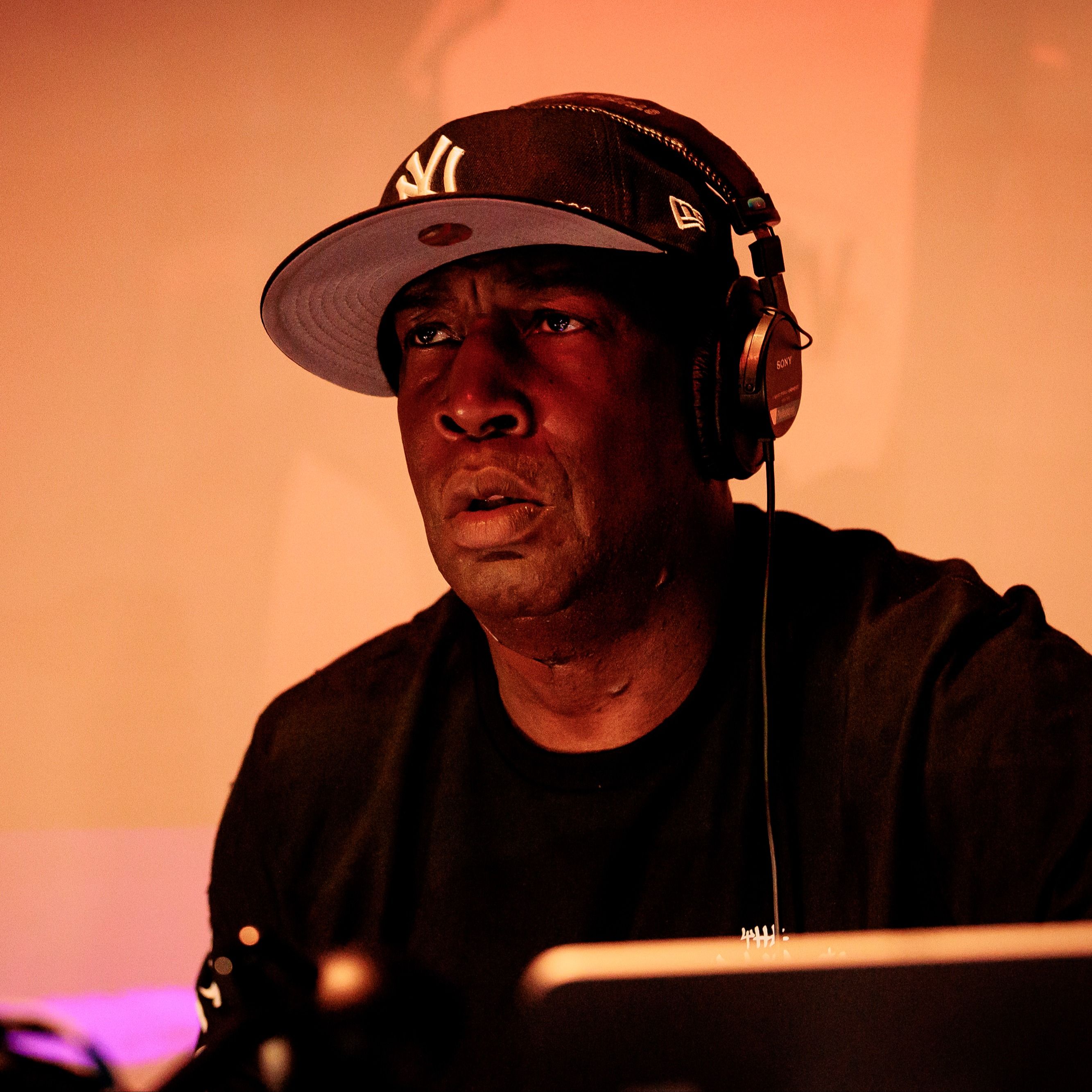
Grandmaster Flash traces hip-hop’s DJ revolution
Grandmaster Flash on “Birth of a Culture”
The episode shows how technical experimentation, collective performance, and Bronx community spaces built hip-hop before commercial success reshaped it.
- 1Grandmaster Flash extended brief drum breaks into sustained dance rhythms through precise, hands-on turntable techniques.
- 2Bronx DJs, MCs, dancers, and graffiti artists formed hip-hop’s early culture before the music had a settled name.
- 3Commercial success brought wider recognition but strained the collective formula that made Grandmaster Flash and the Furious Five distinctive.
Don't miss
Flash explains how he marked records and developed a precise physical technique for repeating short drum breaks without interrupting the dancers.
The brief
Grandmaster Flash connects his childhood fascination with electronics and records to the turntable experiments that helped define early hip-hop DJing.
His central breakthrough was extending short drum breaks: he marked records, calculated positions, and repeated passages seamlessly so dancers could stay in motion.
In the Bronx, DJs added MCs and built a collaborative scene across parks, block parties, and venues, alongside figures such as Kool Herc and Afrika Bambaataa.
Flash describes a DJ code built on discovery, respect, and shared space, before commercial value made musical innovations more fiercely contested.
The conversation turns to The Message and the breakup of his group, as music-business politics eroded the six-person collective’s distinctive unity.
Still touring and writing about hip-hop’s origins, Flash argues that DJs created the backing tracks that made rap performance possible.
Books & mentions
Some links are affiliate links — PodLume may earn a commission if you buy.
