Oct 16, 2026 · 1h 29m
Guillermo Rauch sees agents rebuilding software and the internet
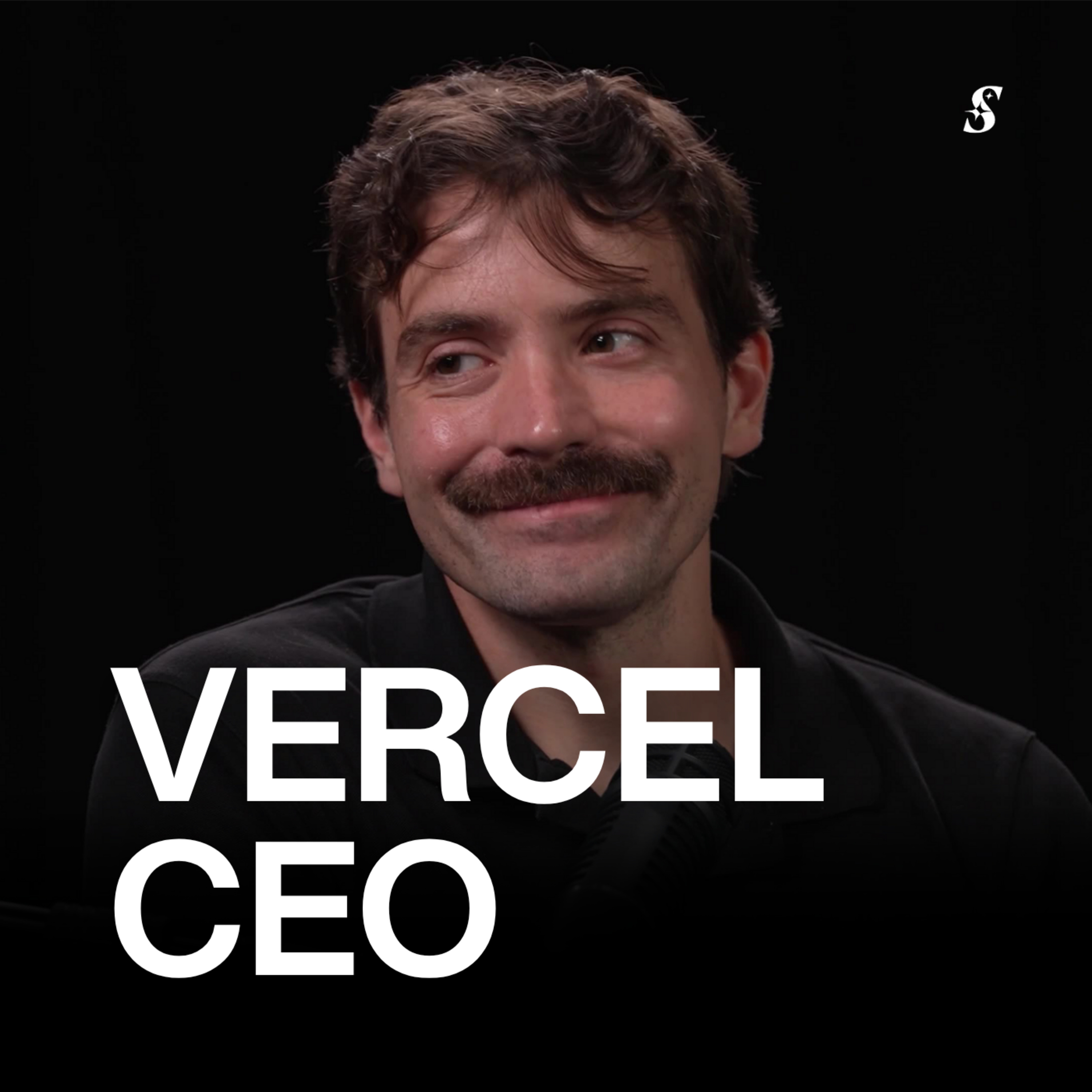
Vercel CEO Guillermo Rauch on Building the Internet for Agents
The shift from human-centered software to agent-native systems could reshape development, infrastructure, security, and the metrics used to value technology companies.
- 1Coding agents accelerate software production, but developers still need enough technical understanding to evaluate and secure what they ship.
- 2Agent-native products will require interfaces, protocols, and infrastructure designed for software agents rather than only human users.
- 3Durable retention, secure sandboxes, and on-demand compute may matter more than attention as AI companies mature and face public-market scrutiny.
Don't miss
Rauch compares agent sandboxes to laptops for human employees, making the case that autonomous software needs its own cloud-based computers.
The brief
Vercel CEO Guillermo Rauch joins host Molly O’Shea to discuss the platform’s agentic inflection point, as coding agents accelerate deployments and force a rethink of software economics.
Rauch’s central warning is against non-understanding: AI can lower the barrier to shipping, but developers still need to grasp code, systems, and security before trusting the output.
The conversation moves from human-facing pages to an agent-to-agent internet, where products need better bot intelligence, new interaction protocols, and software personalized to individual workflows.
Rauch describes secure sandboxes as the agent equivalent of laptops: cloud computers that contain autonomous work while creating new infrastructure demand and serious isolation challenges.
The closing argument is economic as much as technical: retention, meaningful outcomes, and on-demand compute may outlast attention-driven growth in the AI market.