Sep 22, 2026 · 30 min
History shows how elections can empower their own destroyers
The Elections That Changed the World with Dana Bash
The episode connects current foreign-policy risks with historical elections whose consequences voters and political elites could not fully see at the time.
- 1Julius Caesar’s campaigns illustrate how populist politics and personal ambition can strain republican institutions.
- 2The elections of 1796 and 1800 tested the United States’ young system through fierce, consequential competition.
- 3Hitler was appointed rather than elected outright, then used democratic institutions and elite miscalculation to dismantle them.
Don't miss
The discussion clarifies that Adolf Hitler was appointed rather than elected outright, then exploited democratic institutions to destroy them.
The brief
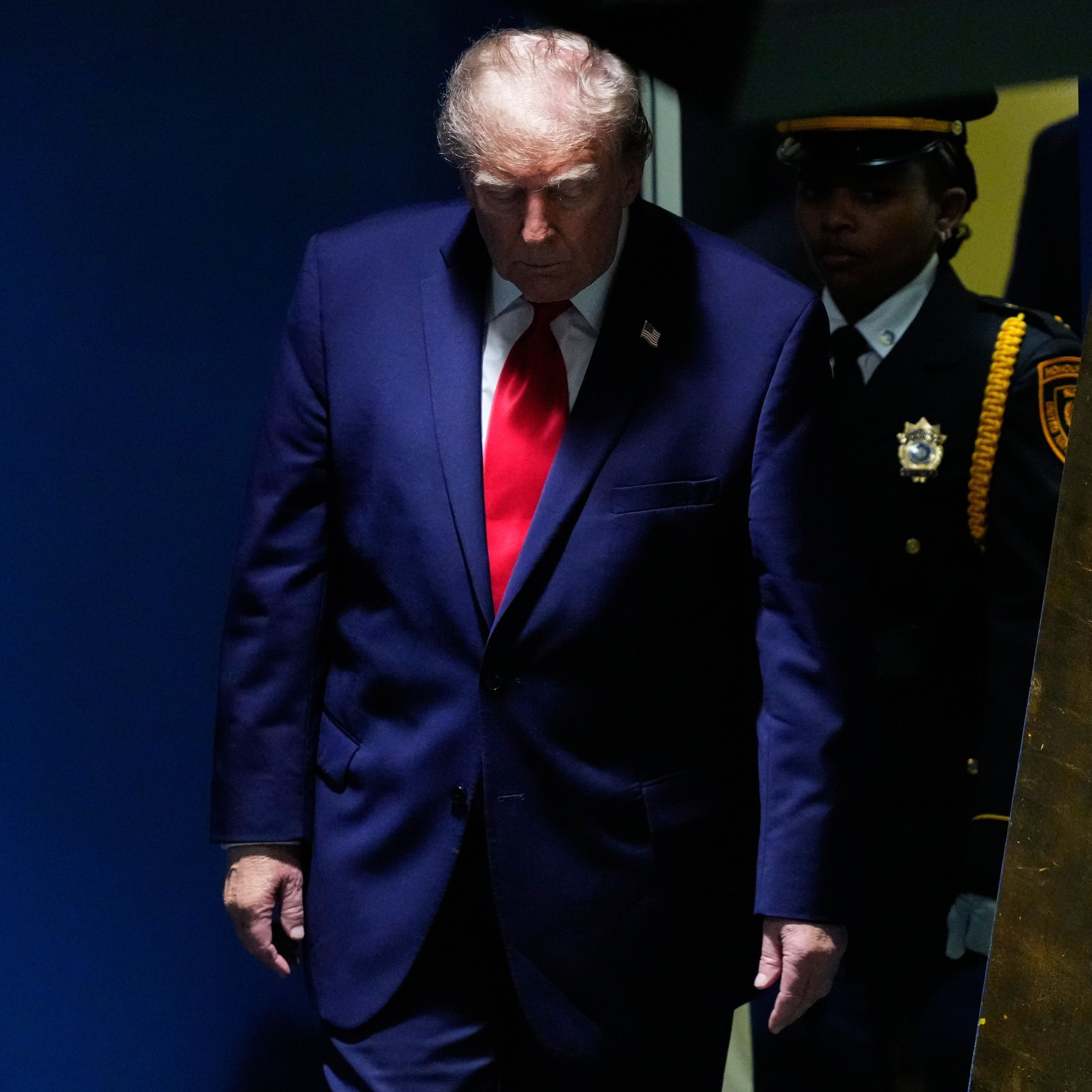
Jane Coaston opens with Donald Trump’s United Nations speech, including threats toward Iran and comments about Cuba, then turns to the longer history of political risk.
Dana Bash explains why Julius Caesar begins her survey of consequential elections: his campaigns, populist instincts, and pursuit of power offer a warning about personal ambition.
The conversation examines the fiercely contested elections of 1796 and 1800, when Adams and Jefferson tested the durability of the young American electoral system.
Germany’s 1932 elections provide the starkest caution: Adolf Hitler was appointed rather than elected outright, while political elites believed they could control him.
Bash and Coaston close on the uncertainty surrounding historical turning points, including George McClellan’s 1864 challenge to Abraham Lincoln and a papal election.
Books & mentions
Some links are affiliate links — PodLume may earn a commission if you buy.
