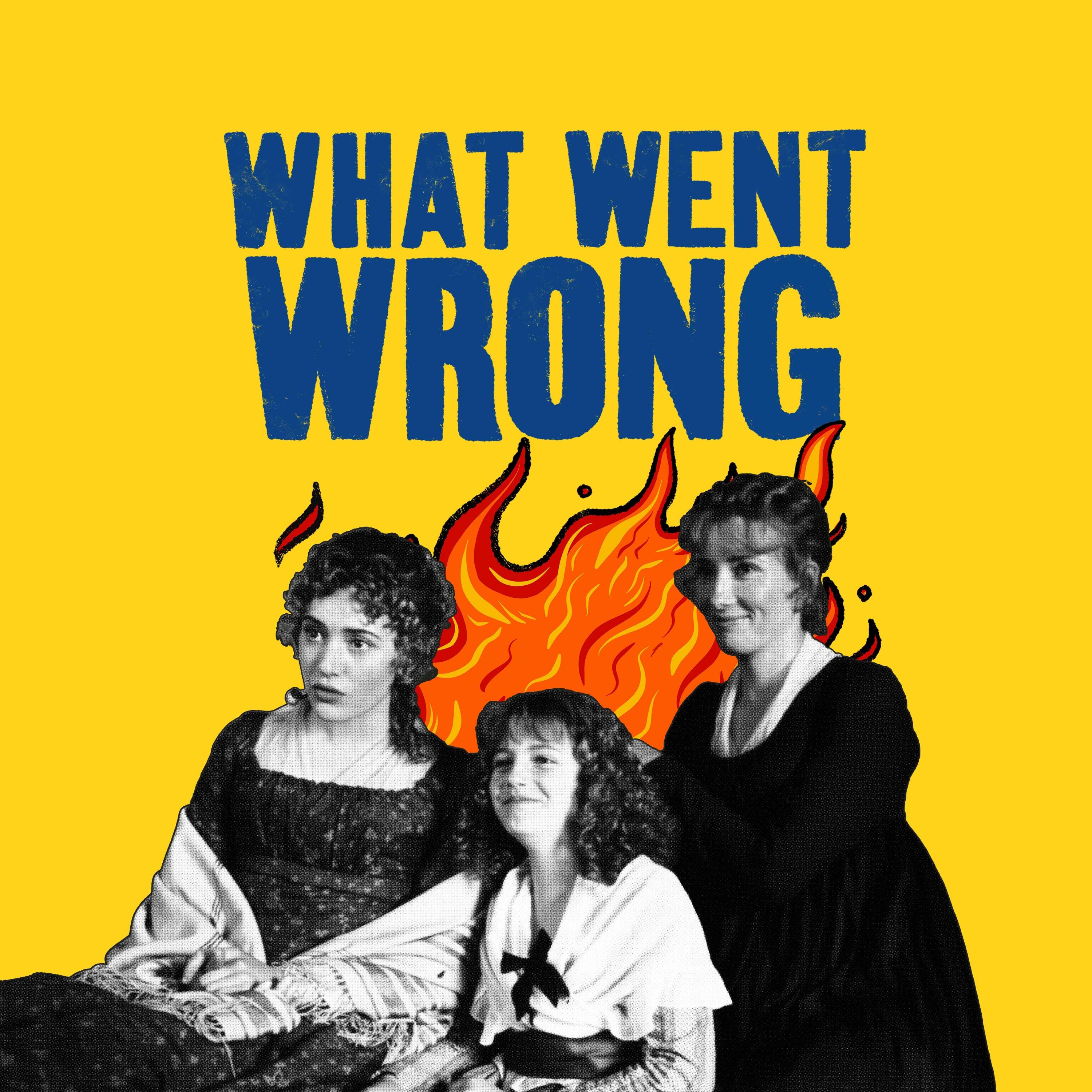
Oct 12, 2026 · 1h 29m
How Austen’s passive novel became a vivid cinematic romance
Sense and Sensibility (1995)
The episode shows how producer Lindsay Doran, screenwriter Emma Thompson, and director Ang Lee reshaped Austen’s restrained story without losing its wit.
- 1Emma Thompson’s five-year screenplay process made the novel’s passive structure more active, dramatic, and cinematic.
- 2Ang Lee brought an outsider’s perspective and minimalist directing style to a British period romance.
- 3The film’s awards legacy includes Thompson’s adapted-screenplay Oscar and Lee’s controversial directing omission.
Don't miss
The episode’s clearest turning point is the account of Emma Thompson’s long screenplay struggle and how she made Austen’s passive story cinematic.
The brief
Sense and Sensibility began as Lindsay Doran’s long campaign to prove that Austen’s relatively passive novel could become a compelling film.
Emma Thompson spent five difficult years restructuring the story, strengthening its secondary characters, and giving Edward and Colonel Brandon more dramatic presence.
Ang Lee’s arrival added romantic sweep, comic precision, and a culturally distinct directing method built around restraint, subtle performances, and blunt notes.
The production mixed elegant locations and costumes with off-screen complications, including Thompson and Greg Wise falling in love and Hugh Grant’s arrest.
The film earned seven Oscar nominations and Thompson’s adapted-screenplay win, while Lee’s omission from Best Director remained its defining awards controversy.
Books & mentions
Some links are affiliate links — PodLume may earn a commission if you buy.
