Sep 28, 2026 · 1h 17m
How Carrie turned teenage cruelty into cinematic terror
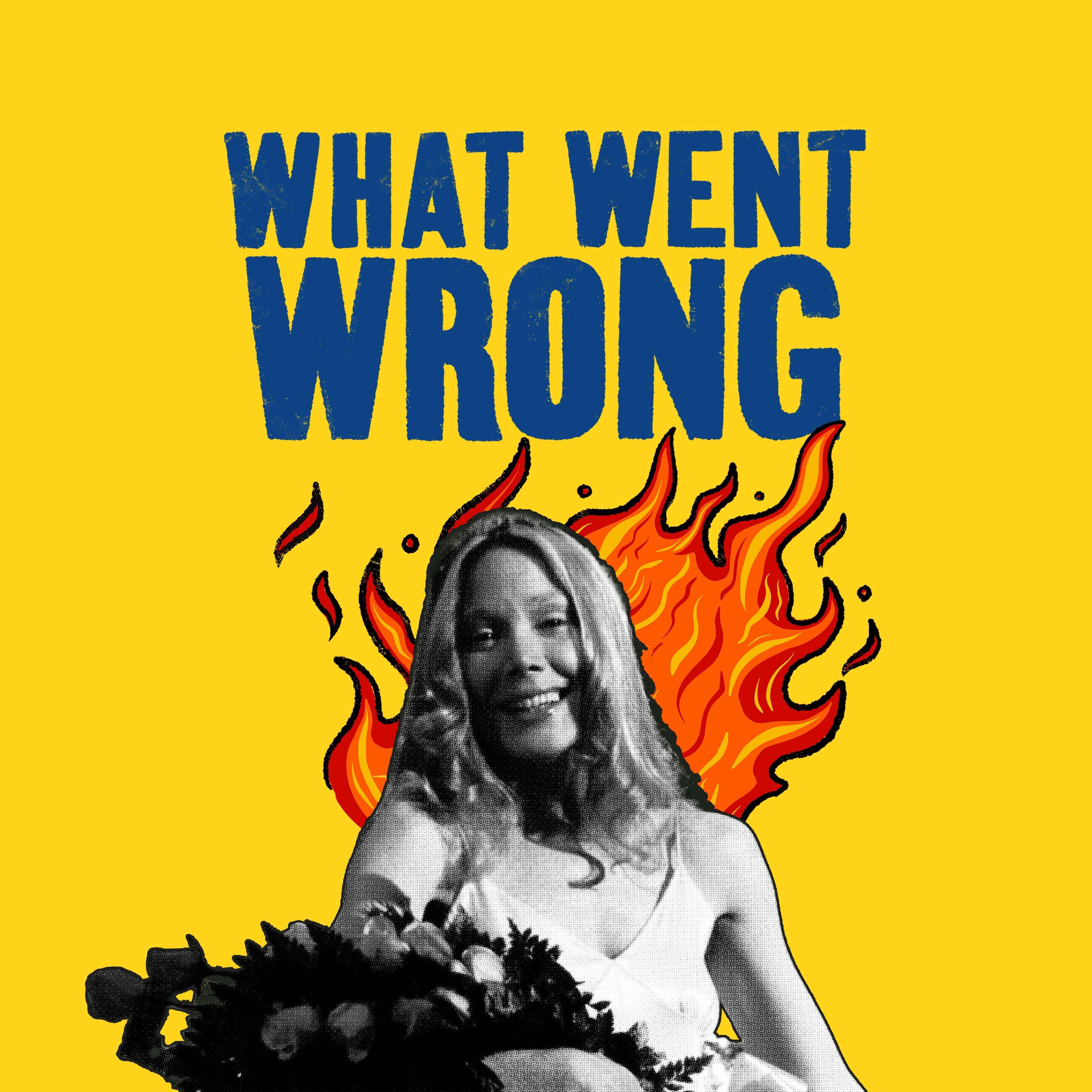
Carrie (1976)
The episode shows how Stephen King’s breakthrough novel became a film whose performances, production design, and formal experimentation still shape horror.
- 1Stephen King transformed observations of humiliation and violence into the unusually structured novel that launched his full-time writing career.
- 2Brian De Palma used split screen, elaborate camera movement, music, and dark humor to make Carrie’s prom massacre formally distinctive.
- 3Sissy Spacek, Jack Fisk, and the production team gave the film its lasting emotional force despite difficult, highly technical production demands.
Don't miss
The hosts unpack how Carrie’s prom massacre was built from a difficult crane shot, split-screen editing, and carefully coordinated performances.
The brief
Chris and Lizzie begin with Carrie’s central contradiction: a story about repression and cruelty rendered through nudity, music, satire, and intensely stylized horror.
Stephen King’s observations while working as a janitor became the seed of Carrie, a manuscript he nearly abandoned before its publication changed his career.
Brian De Palma’s path to the project, the unusual casting process, and Sissy Spacek’s determined approach show how the film’s emotional center took shape.
The prom sequence becomes a production puzzle: a rotating dance shot, a complex crane movement, split screen, and a climax that departs sharply from the novel.
The episode weighs Carrie’s unevenness against its lasting achievements, especially Spacek’s performance, Jack Fisk’s design, and De Palma’s fusion of horror with dark humor.