Sep 11, 2026 · 49 min
Kaepernick links protest, blackballing, and football’s hidden costs
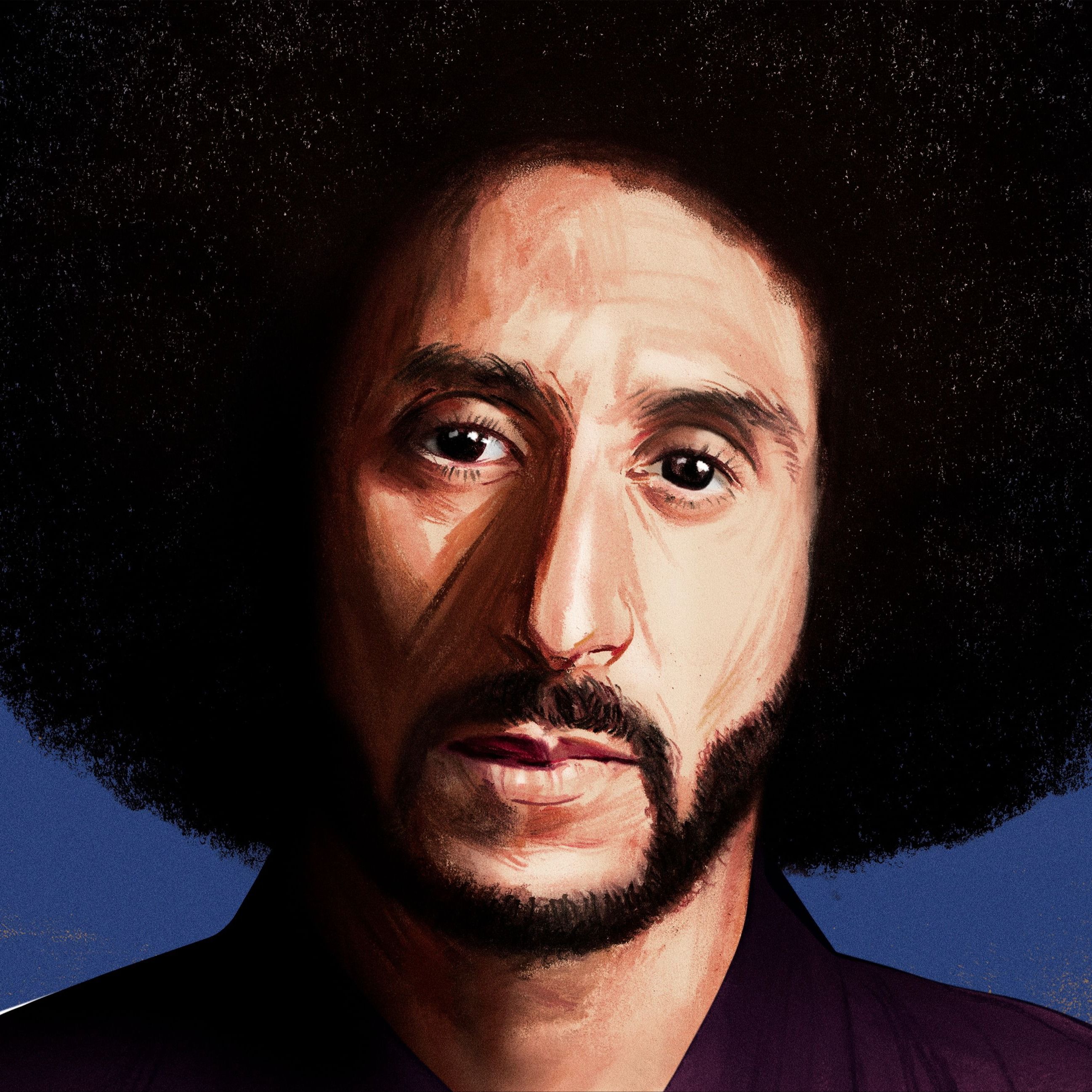
Colin Kaepernick, Ten Years After Taking a Knee
Kaepernick’s account connects athlete activism to institutional power, racial identity, career retaliation, and the physical risks embedded in professional football.
- 1Kaepernick traces his protest to political education, personal encounters with racism, and a systemic critique of policing and the NFL.
- 2He argues that teams avoided signing him after 2016, exposing tensions between football’s meritocratic claims and its political calculations.
- 3He weighs football’s community and purpose against concussion risks, institutional pressure, and the loss of choosing when his career ended.
Don't miss
Kaepernick explains why he believes his NFL career ended because of his activism rather than his performance, while saying he would return immediately.
The brief
Colin Kaepernick reflects on growing up Black in a predominantly white Central California town, finding community through football, and developing a political understanding beyond his adoptive household.
He describes the NFL combine as a test of obedience as much as athletic ability, then connects the scarcity of Black quarterbacks to expectations about leadership and conformity.
Kaepernick recounts kneeling during the 2016 anthem with Eric Reid, the pressure that followed, and Donald Trump’s attacks on a protest centered on racial injustice.
He argues that teams chose less effective quarterbacks to avoid controversy, while the WNBA’s activism showed how athlete organizing could push policing, voting, and community issues into public view.
The conversation ends with football’s concussion risks and Kaepernick’s unresolved desire to return, underscoring his belief that activism—not performance—ended his NFL career.
Books & mentions
Some links are affiliate links — PodLume may earn a commission if you buy.
