Sep 28, 2026 · 2h 16m
Missouri tests whether hunting can slow CWD
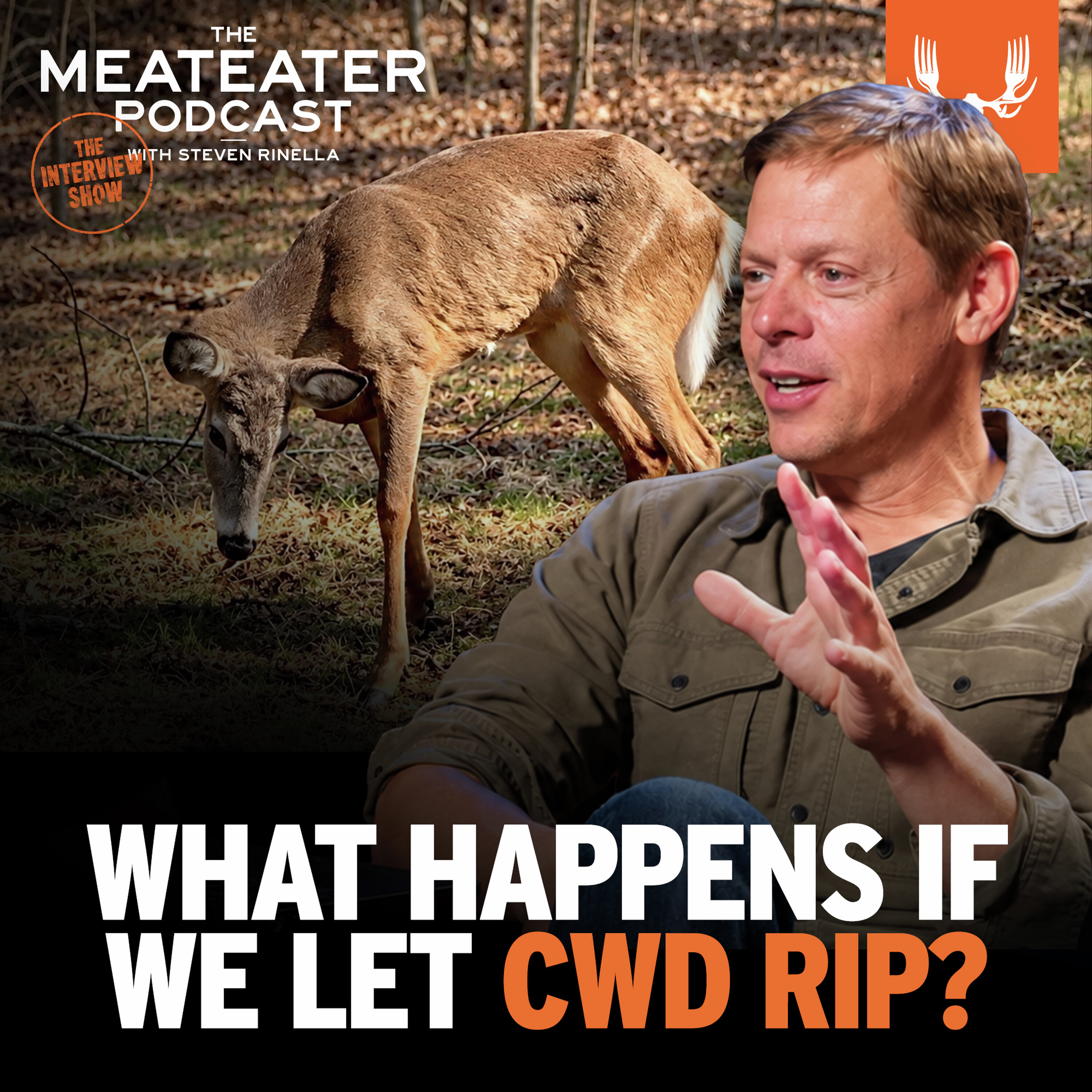
Ep. 937: What Happens If We Let CWD Rip?
Chronic wasting disease can permanently reshape deer herds, while agencies still face uncertainty about transmission, prevalence, and human-health risk.
- 1Early detection and targeted harvest can delay CWD’s worst population effects, but only where access and landowner support make management practical.
- 2CWD differs from episodic deer diseases because it creates persistent mortality, gradually reducing abundance, older age classes, and hunting opportunities.
- 3There is no known evidence of transmission to people, yet public-health guidance still advises against eating infected or sick deer.
Don't miss
Jason Sumners explains why harvest strategies might delay CWD’s worst effects by decades rather than eliminate the disease.
The brief
Jason Sumners, director of the Missouri Department of Conservation, traces how CWD transformed wildlife management from surveillance and localized removals into a long-term balancing act.
Missouri’s strategy rests on an uncomfortable calculation: reducing deer density and removing infected animals may slow CWD, but only where terrain, access, and landowner support allow it.
The conversation contrasts CWD with EHD and blue tongue, which can cause dramatic die-offs before populations recover; CWD persists, steadily eroding deer abundance and older age classes.
Sumners argues that hunting cannot reverse CWD, but timely harvest strategies may keep prevalence below a roughly five-percent tipping point and delay severe consequences for decades.
The closing health discussion remains cautious: no transmission to people is known, but infected or sick deer should not enter the food supply.