Oct 14, 2026 · 25 min
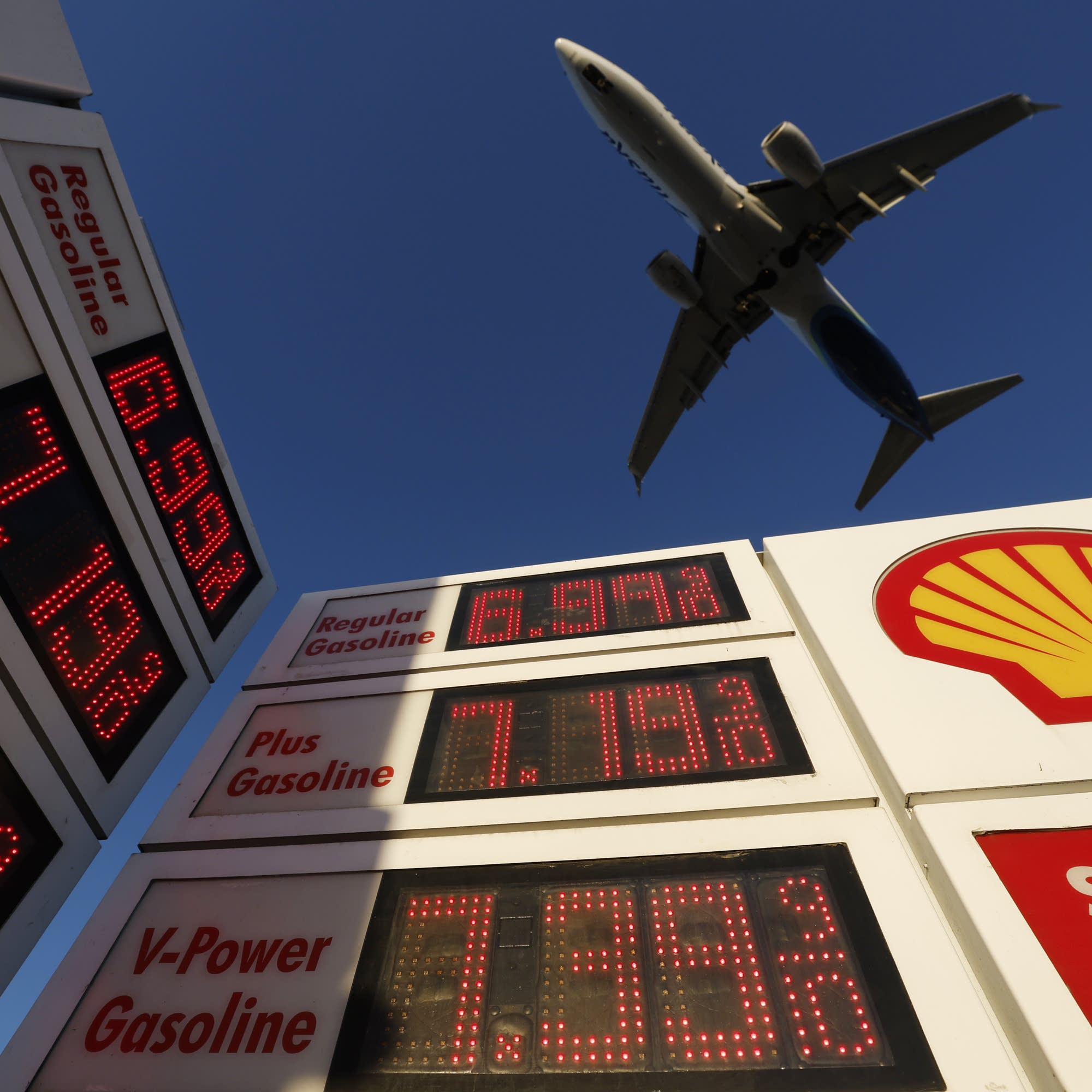
Oil costs spread inflation from pumps to global supply chains
Energyflation? More like everything-flation
The episode connects a U.S. energy shock and a global tanker bottleneck with a Mumbai employment model that gives women income and independence.
- 1September U.S. inflation reached 3.7% year over year, with energy prices driving more than half of current inflation.
- 2Limited crude-tanker capacity and rising shipping risks could intensify fuel-price pressure worldwide, especially as refinery margins remain thin.
- 3Marketplace India’s local cooperatives show how accessible skilled work can expand women’s income, independence, and choices.
Don't miss
Sarah Kamri explains how a nearby tailoring job lets her care for her daughters while earning money and building an identity beyond being her husband’s wife.
The brief
September U.S. inflation rose 3.7% year over year, with energy prices driving more than half of current inflation as services costs remain part of the picture.
The pressure extends beyond the pump: a limited fleet of very large crude carriers faces higher demand and risk, raising tanker costs and threatening fuel prices worldwide.
In Mumbai, Marketplace India combines a clothing business with a nonprofit mission, training and employing women through locally accessible artisan cooperatives.
Founder Pushpika Freitas explains why the organization began, while CEO Soumya Gautam describes its 180 artisans, cooperative ownership structure, and training model.
At a Santa Cruz East tailoring cooperative, Sarah Kamri connects work near home with caring for her daughters, earning her own money, and gaining an identity beyond marriage.
The artisans’ intricate embroidery makes visible the episode’s larger point: skilled employment can change women’s economic choices, status, and ability to support their children.