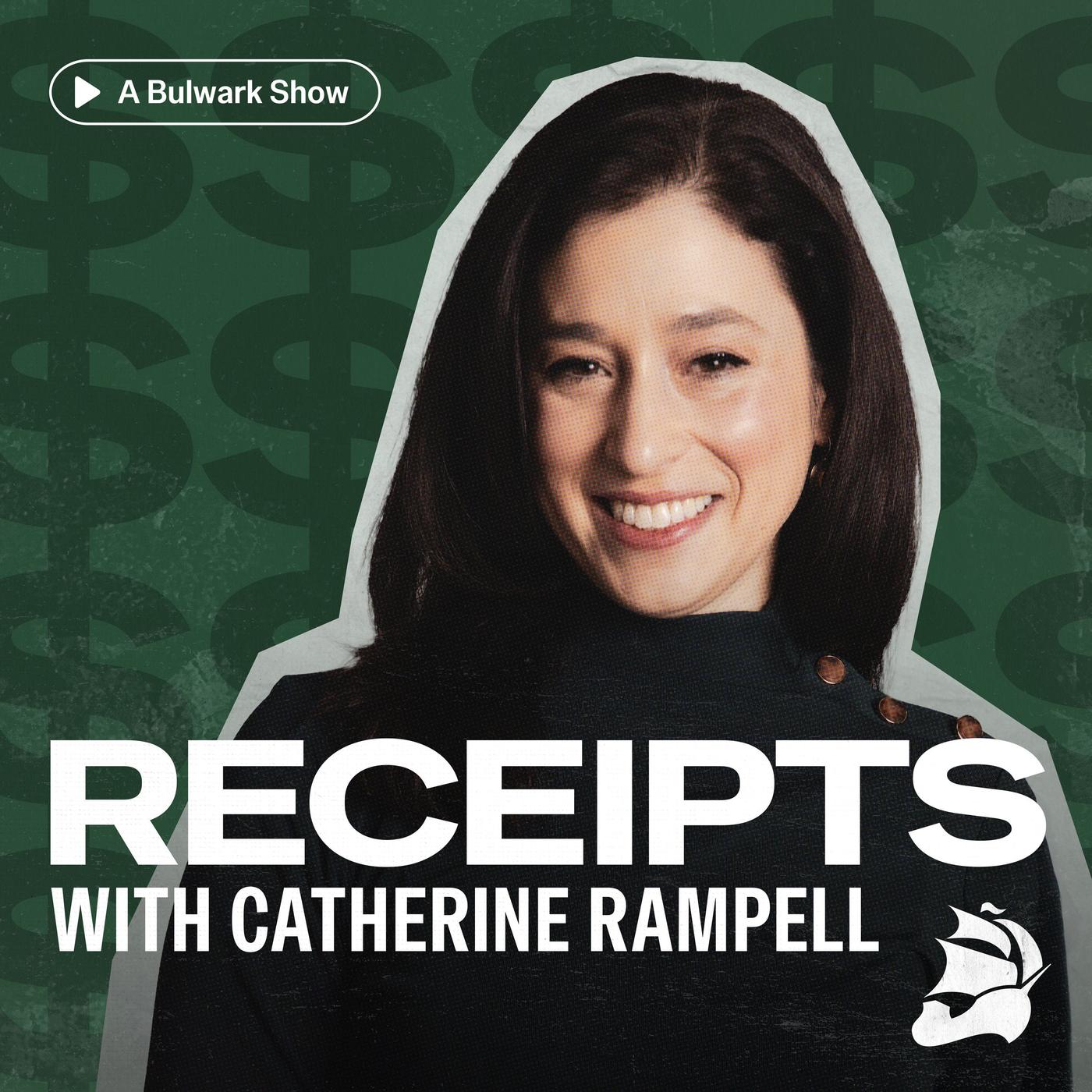
Oct 16, 2026 · 50 min
Polling exposes the politics of Trump’s self-enrichment
10: The Trump Corruption Poll That Should Terrify the White House
The episode connects corruption allegations and public tolerance for self-dealing to cuts, inflation, housing stress, and local resistance.
- 1Trump’s alleged profit-making and influence networks raise ethical questions about foreign money, pardons, donors, and official favors.
- 2Many Republicans recognize Trump enriches himself while still believing that self-enrichment can coexist with serving the country.
- 3SNAP and Medicaid cuts, persistent inflation, higher rates, and housing disruption turn policy choices into everyday economic pressure.
Don't miss
The hosts turn the cancellation of Little Shop of Horrors into a vivid case study in local resistance to culture-war control.
The brief
Catherine Rampell and Jonathan V. Last examine Trump’s meme coin, foreign buyers, donor influence, pardons, and alleged payments as parts of a fragmented influence economy.
The central political puzzle is public tolerance: many Republicans acknowledge Trump enriches himself, yet believe he can do so while still serving the country and people like them.
The hosts connect that tolerance to material pressures, arguing that SNAP and Medicaid cuts, paperwork, inflation, higher rates, and housing disruption make policy choices tangible.
A canceled production of Little Shop of Horrors becomes the episode’s sharpest example of culture-war micromanagement—and of students, families, and communities pushing back.
The broader takeaway is that resistance need not begin nationally: local arts support, food assistance, and community solidarity can challenge political overreach.
Weekly email
State of the Pod, every Monday
The week's most-discussed names and stories from podcasts, with the moments behind them. Free, five minutes, unsubscribe in one click.