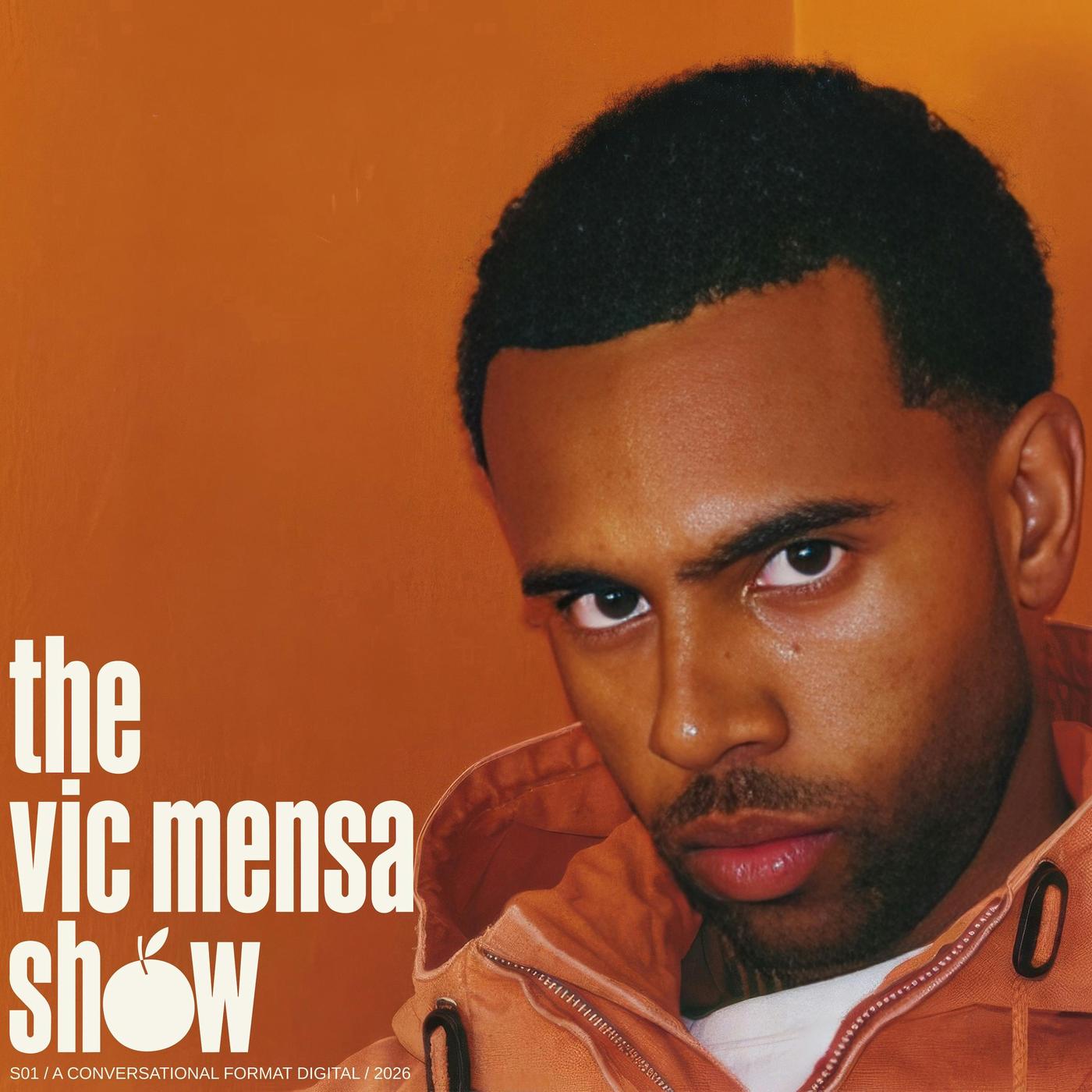
Sep 9, 2026 · 59 min
Rapsody reframes Black identity through faith and artistic freedom
Rapsody: God, Grammys & Gold Hoops
The conversation links colonial religious imagery, colorism, misogyny, and creative persistence to the struggle for liberating Black representation.
- 1Rapsody and Victor Mensa connect colonialism’s religious and cultural distortions to internalized ideas about Black identity and beauty.
- 2They argue that vulnerability, women’s solidarity, and hip-hop’s historical record can challenge machismo and industry control.
- 3Rapsody’s Ghana-inspired visual work culminates in an affirming image of God as a Black woman with an afro and gold hoops.
Don't miss
Victor Mensa and Rapsody imagine God as a Black woman with an afro and gold hoops, turning divine representation into a closing act of liberation.
The brief
Victor Mensa and Rapsody begin with a question larger than theology: how colonial power reshaped maps, religious imagery, and Black people’s understanding of themselves.
Rapsody’s time in Ghana becomes a lens on cultural displacement, mental slavery, skin bleaching, and the need to encounter Africa beyond tourism or inherited symbols.
Their discussion turns to vulnerability, misogyny, and women’s place in hip-hop, arguing that emotional honesty and collective representation can resist machismo and industry limits.
Rapsody explains how visual references shaped her album and how “God Got an Afro” answers childhood colorism with images that affirm Black beauty and belonging.
The conversation closes on persistence, community, and a liberating image of God as a Black woman with an afro and gold hoops.
Books & mentions
Some links are affiliate links — PodLume may earn a commission if you buy.