Sep 26, 2026 · 59 min
Ravi Shankar links meditation to intuition and peacebuilding
Only 10% of Reality Is Physical: How Your Intuition Reveals the Rest | Gurudev Sri Sri Ravi Shankar
The conversation tests whether practices associated with spirituality can address mental-health pressure, personal purpose, relationships, and conflict without abandoning discernment.
- 1Meditation and breathwork are presented as preventative tools for mental health, intuition, and resilience before crisis arrives.
- 2Ravi Shankar argues that consciousness extends beyond the visible physical world and can be approached through silence and disciplined attention.
- 3The episode connects inner stillness with humanitarian peacebuilding, while acknowledging the need to distinguish spiritual experiences from hallucination.
Don't miss
Ravi Shankar uses a television signal continuing beyond a switched-off screen to explain how consciousness might persist after death.
The brief
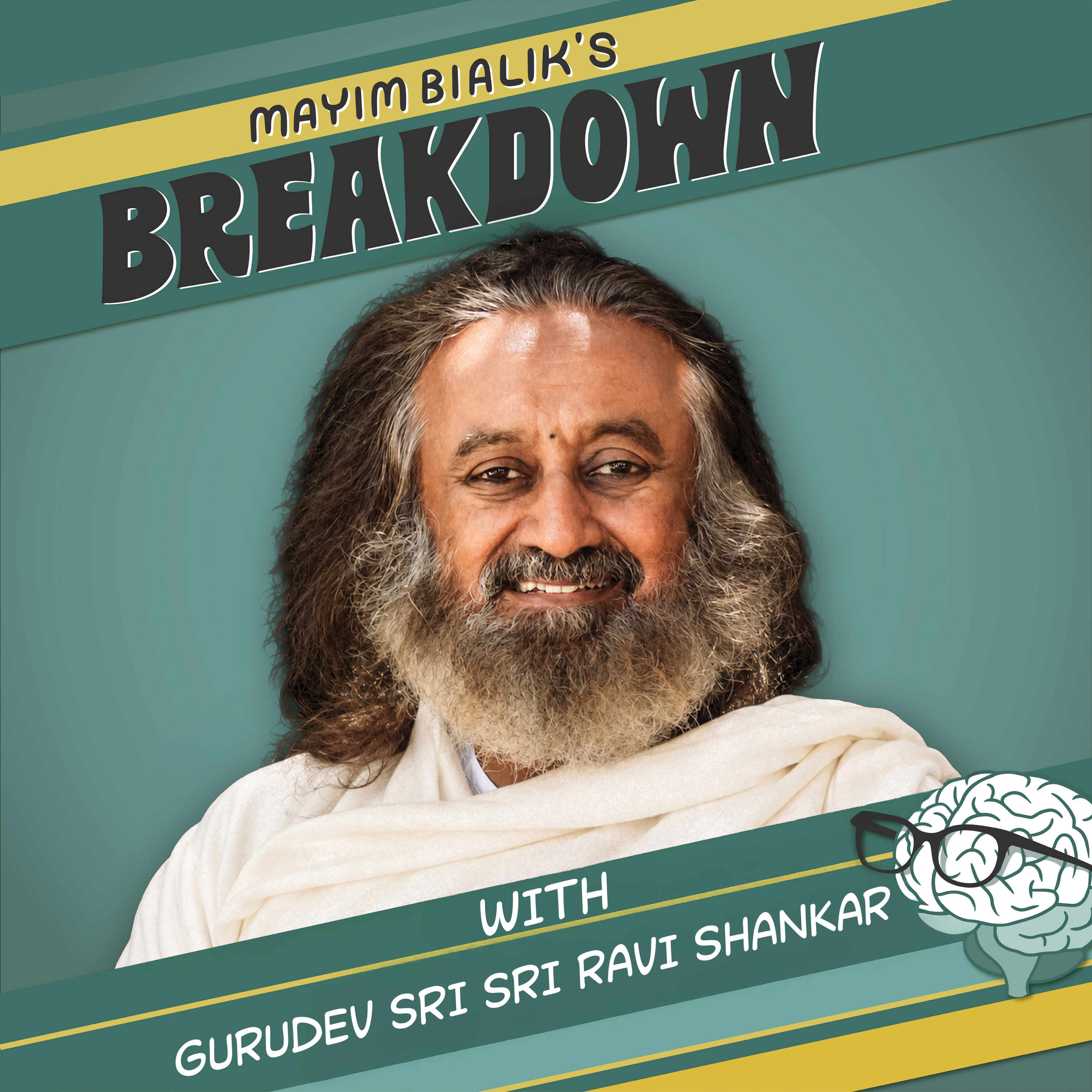
Mayim Bialik and Jonathan welcome Ravi Shankar, whose spiritual teaching and humanitarian work anchor a conversation about meditation, intuition, healing, consciousness, and peace.
Ravi presents meditation, yoga, breathing, and periodic silence as preventative mental-health practices that reduce mental clutter and help recover intuition before a crisis.
His larger claim is metaphysical: the visible physical world represents only a small portion of consciousness, while silence and vibrational awareness offer ways toward the unknown.
The discussion turns practical as Ravi links intuition and personal purpose to training, then connects the quality of a person’s presence with peacebuilding efforts involving FARC.
The most delicate exchange concerns telepathy, precognition, miracles, and after-death communication, where Ravi stresses guidance and discernment rather than accepting every extraordinary experience.
The episode closes by extending the same framework to love: relationships require emotional wisdom, respect, and less demand for constant proof from those who care.