Sep 23, 2026 · 1h 3m
Rick Alan Ross maps coercive control beyond traditional cults
Part Two: Cult Leaders Target You At Your Weakest. Never Confess This To Them | Rick Alan Ross
The episode offers behavior-based tests for recognizing manipulation before fear, isolation, propaganda, and loss of autonomy become normalized.
- 1Coercive control can emerge in intimate relationships, workplaces, technology companies, religious movements, and political organizations.
- 2Objective criteria distinguish destructive cults from unpopular beliefs, demanding leadership, or ordinary political disagreement.
- 3Fear, isolation, emotional volatility, propaganda, and attacks on autonomy reveal manipulation more reliably than a group’s stated ideology.
Don't miss
Ross describes how belief in a group’s healing claims led a follower to stop taking insulin, making the stakes of ideological influence concrete.
The brief
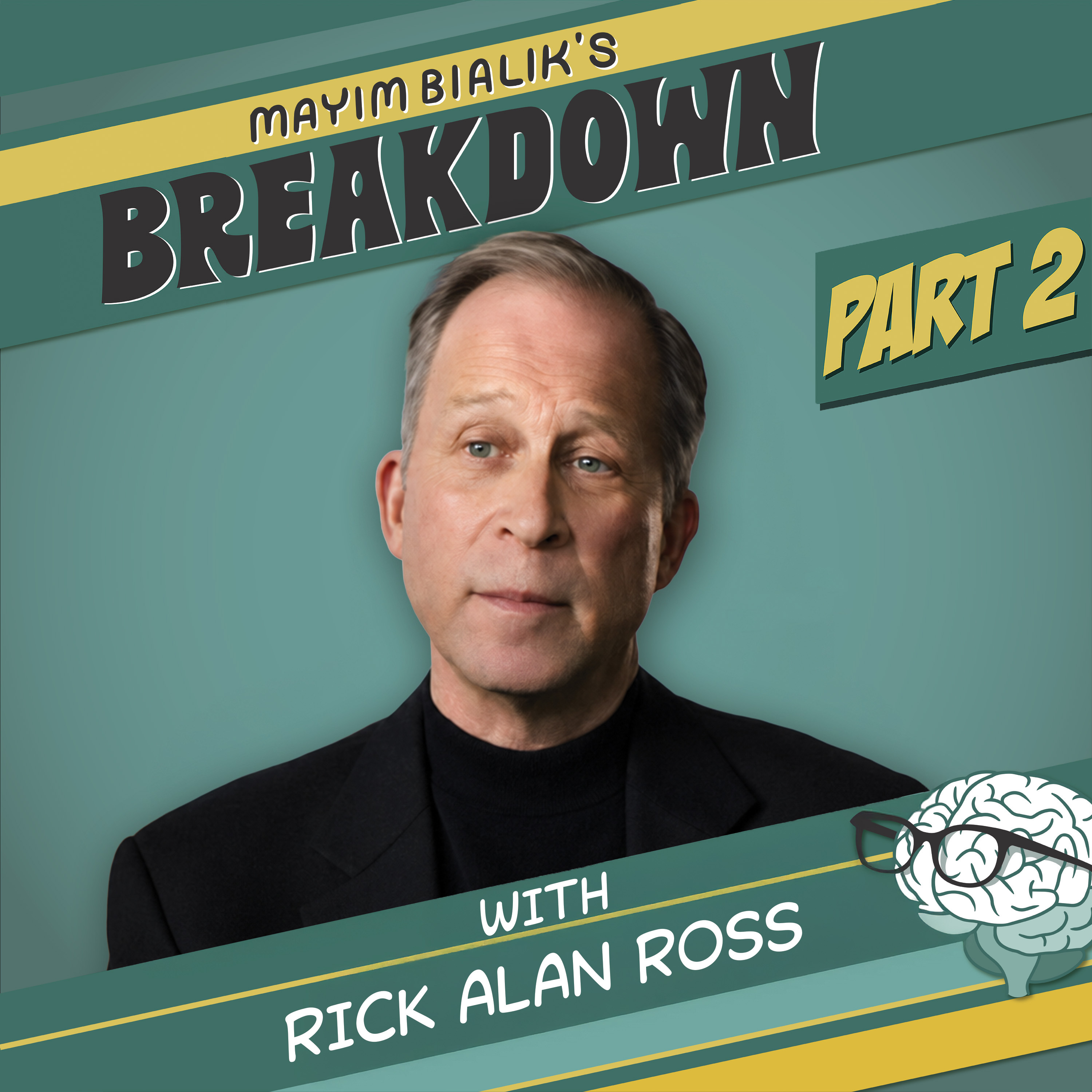
Mayim Bialik speaks with Rick Alan Ross, a cult-intervention specialist, about how coercive control operates across relationships, organizations, technology companies, and political movements.
Ross connects narcissistic abuse with fear, hypervigilance, isolation, and the exhausting effort to satisfy someone who never offers affirmation or emotional safety.
The conversation tests cult-like dynamics against UFO groups, high-pressure technology companies, and political movements, asking when charisma and ideology become tools for suppressing autonomy.
Ross argues that labels such as cult and brainwashed require consistent, behavior-based standards; otherwise, political disagreement can be confused with genuinely destructive control.
The sharpest warning comes through a health claim: a follower stopped taking insulin after accepting a group’s healing message, showing how influence can become physically dangerous.
The episode closes by returning to relationships, persuasion, and Mayim’s reflection on whether a meditation experience may have carried cult-like features.
Books & mentions
Some links are affiliate links — PodLume may earn a commission if you buy.

Cults Inside Out, How People Get In and Can Get Out
Ross’s book extends the episode’s focus on how people enter destructive groups and how intervention can help them leave.

Thought Reform and the Psychology of Totalism
The landmark study provides a deeper framework for understanding milieu control, confession, and doctrine over the individual.