Oct 6, 2026 · 28 min
Russia turns internet restrictions into a system of political control
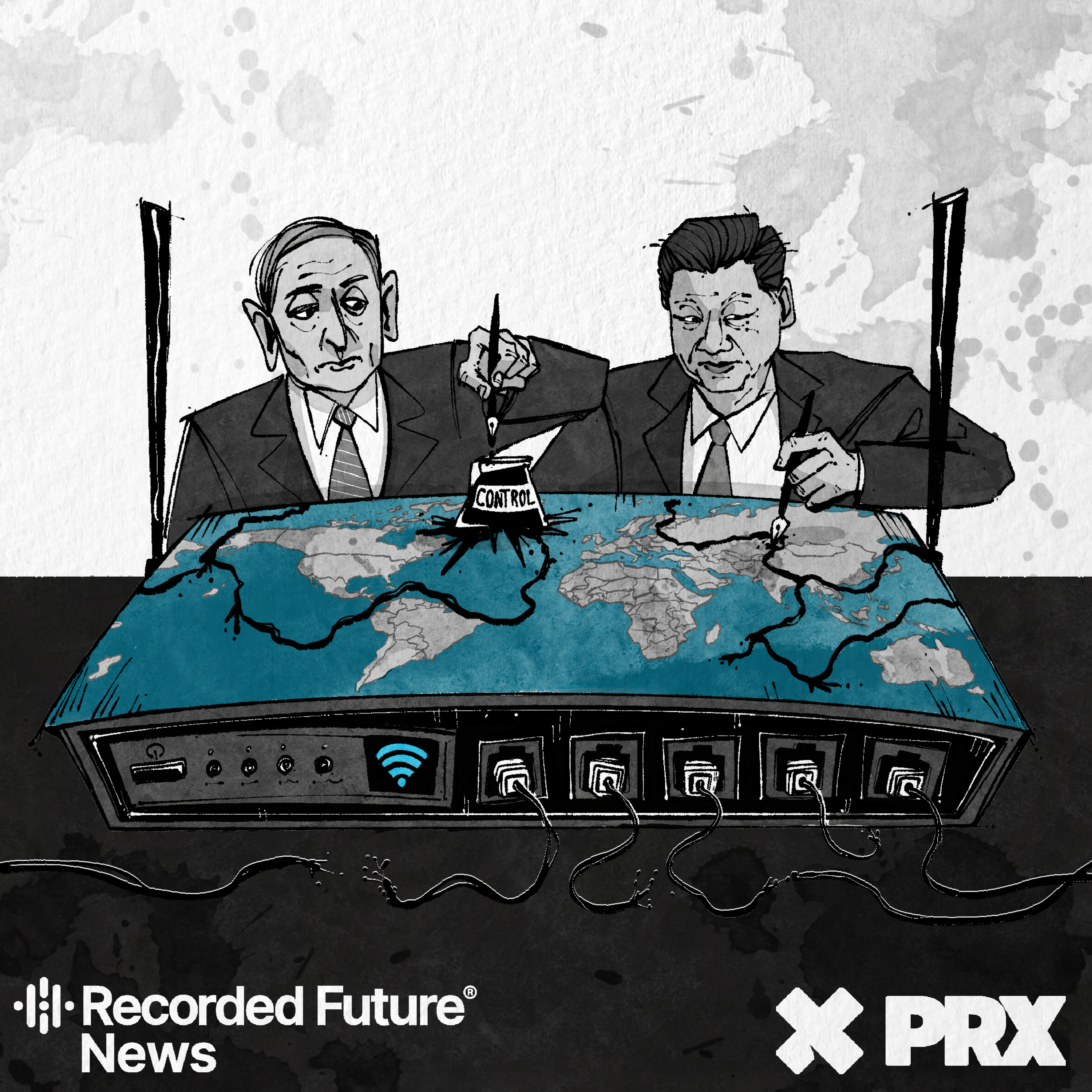
Russia is building the internet Putin always wanted
The episode shows how temporary blackout justifications, platform bans, surveillance, and state technology can normalize a closed national internet.
- 1Russia uses drone-defense claims to justify outages that also disrupt dissent and everyday services.
- 2Online opposition once exploited Telegram, YouTube, and livestreams; new restrictions are closing those channels.
- 3The technology roundup links state chatbots, autonomous warfare, nuclear-powered data centers, and resistance to unwanted AI.
Don't miss
The episode connects Russia’s supposedly temporary, drone-related blackouts to a broader effort to condition citizens to state-controlled connectivity.
The brief
Russia’s once-open internet helped opposition voices, Telegram channels, and Western media reach citizens; the Kremlin is now reshaping it into a controllable national network.
Blackouts publicly framed as protection from Ukrainian drones also disrupt payments, banking, transport, and work—making emergency restrictions part of ordinary life.
Yevgeny Prigozhin and Alexei Navalny showed how Telegram, YouTube, and livestreams could challenge Kremlin control; new rules target the channels and people behind them.
Cyberlawyer Sarkis Darbinyan describes mirrors, VPNs, and other workarounds as Russia criminalizes online dissent and tightens access to foreign platforms.
The episode’s technology roundup moves from a contradictory America.gov chatbot to autonomous warfare, nuclear-powered data centers, and libraries helping people resist unwanted AI.