Sep 27, 2026 · 2h 26m
Scorsese turns Soho into a comic nightmare
After Hours with Alison Sivitz
The episode shows how After Hours fuses production history, downtown social anxiety, class politics, and formal precision into a singular Scorsese film.
- 1After Hours emerged as a practical project after The Last Temptation of Christ stalled, reviving Scorsese’s creative momentum.
- 2The film’s vanished Soho setting turns Paul’s awkward desire into a labyrinth of class, secrecy, queerness, and AIDS-era danger.
- 3Its precise comic timing and paper-mâché climax make a bleak nightmarish spiral feel strangely rewatchable.
Don't miss
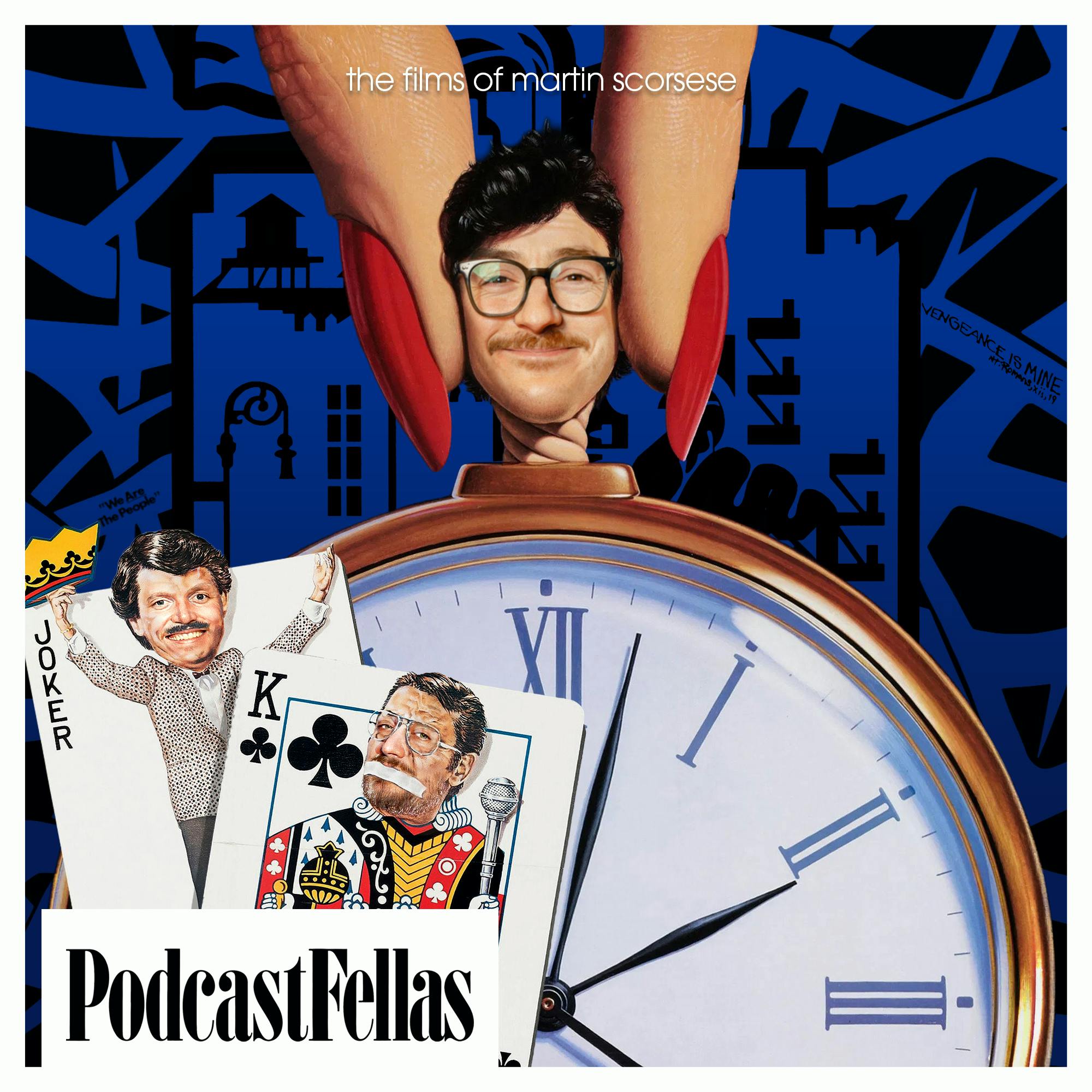
Paul’s transformation into a paper-mâché sculpture, followed by his return to the office, turns the night’s nightmare into an absurd restoration of routine.
The brief
Ali Sivitz joins the hosts to explain why After Hours remains an unusually rewatchable Scorsese film: its vanished Soho, strange social energy, and status as the director’s “cool” pick.
The film arrived after Scorsese’s stalled attempt to make The Last Temptation of Christ, giving him a smaller project and a burst of renewed energy.
Paul Hackett’s trip downtown becomes a carefully escalating maze of taxis, money, strangers, and closed social worlds, with desire turning every encounter into danger.
The discussion reads the film’s queer and AIDS-era anxieties alongside its class politics, as Paul moves through a Soho community shaped by secrecy and disappearance.
After mobs, suspicion, and a desperate search for refuge, Paul is sealed into a paper-mâché sculpture and returned to work—a surreal escape that restores routine.
The episode argues that After Hours’ naturalistic look, precise comic timing, and sudden darkness explain why this modest 1985 film still feels singularly alive.
Books & mentions
Some links are affiliate links — PodLume may earn a commission if you buy.