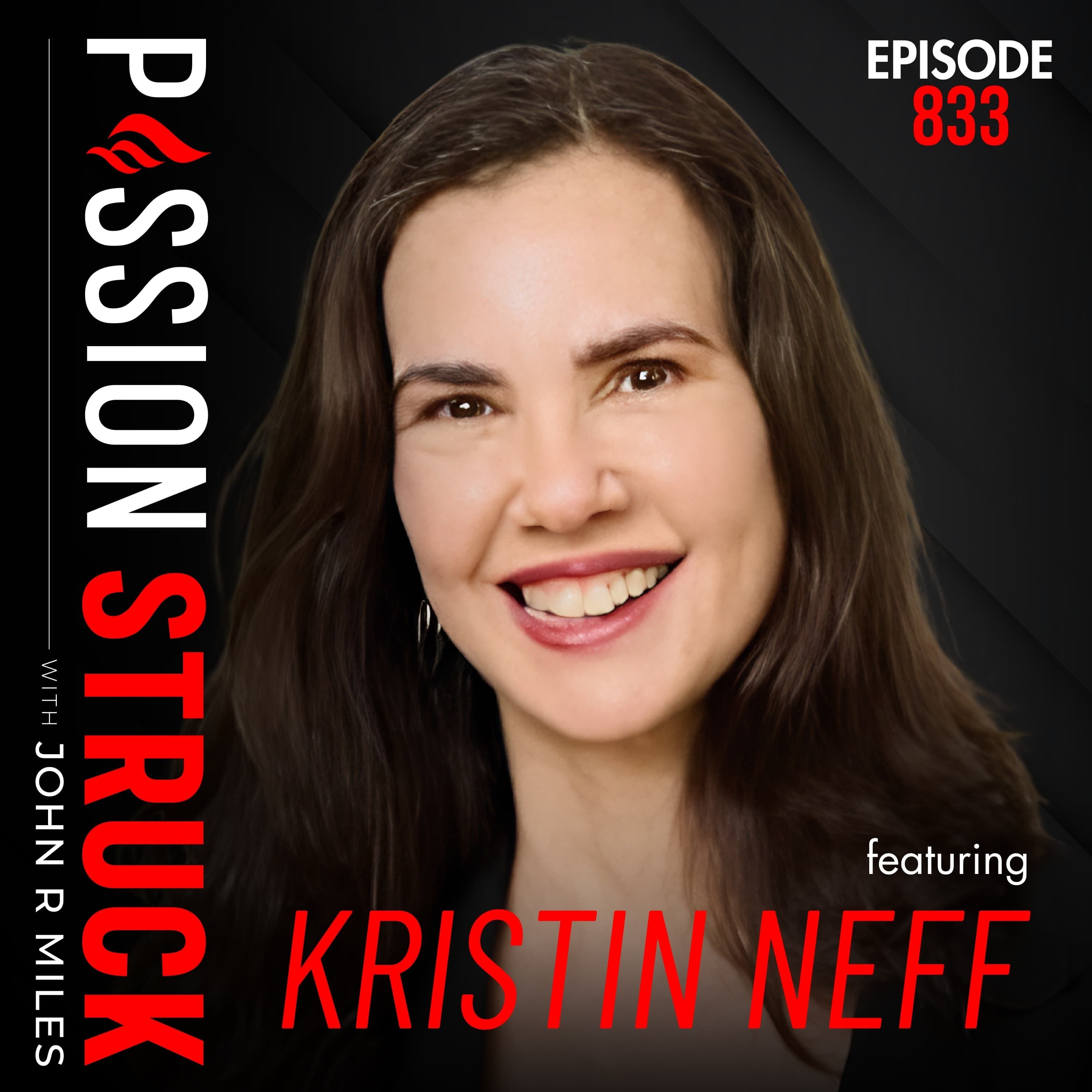
Oct 15, 2026 · 1h 3m
Self-compassion turns inner criticism into agency
Stop Being So Hard on Yourself. It’s Not Helping You | Dr. Kristin Neff - EP 833
The episode argues that treating struggle with warmth can strengthen resilience and choice more reliably than shame, self-criticism, or achievement-based worth.
- 1Self-compassion supports motivation without making personal worth depend on performance or favorable self-evaluation.
- 2Mindfulness, kindness, and common humanity interrupt isolation, over-identification, and automatic cycles of self-criticism.
- 3Recognizing inherited conditioning creates room to set healthier boundaries, reconnect with others, and act intentionally.
Don't miss
Kristin Neff reframes self-compassion as treating oneself as an ally rather than an enemy, not as another obligation or performance.
The brief
Kristin Neff argues that self-criticism, shame, and achievement-based worth often undermine motivation and resilience—the very outcomes they claim to produce.
She separates self-compassion from self-esteem: compassion supports people during suffering, while self-esteem evaluates whether they measure up.
Neff defines self-compassion through mindfulness, kindness, and common humanity, a combination that counters over-identification, judgment, and isolation.
The conversation links loneliness, burnout, withdrawal, and shame to unmet needs for connection and mattering, while showing how compassion can restore agency.
The standout idea is simple but demanding: self-compassion means choosing to treat yourself as an ally rather than an enemy, without turning care into another performance.
Neff emphasizes that people did not choose their conditioning, but recognizing it can make different choices—and healthier boundaries—possible.
Books & mentions
Some links are affiliate links — PodLume may earn a commission if you buy.
