Oct 16, 2026 · 55 min
Listen from 15:54
Listen at 15:54
Shared death experiences test the limits of neuroscience
What Really Happens After Death - Doctors & Nurses Are Afraid To Tell You
The episode examines whether vivid reports around death reveal overlooked features of consciousness or reflect grief, expectation, and emotional mirroring.
- 1Healthy witnesses sometimes report visions, sensations, voices, or altered spaces during another person’s death.
- 2Medical accounts and cross-cultural traditions provide recurring patterns, but the evidence remains largely anecdotal and unresolved.
- 3Neuroscience offers possible explanations without fully accounting for every reported experience or its lasting effects.
Don't miss
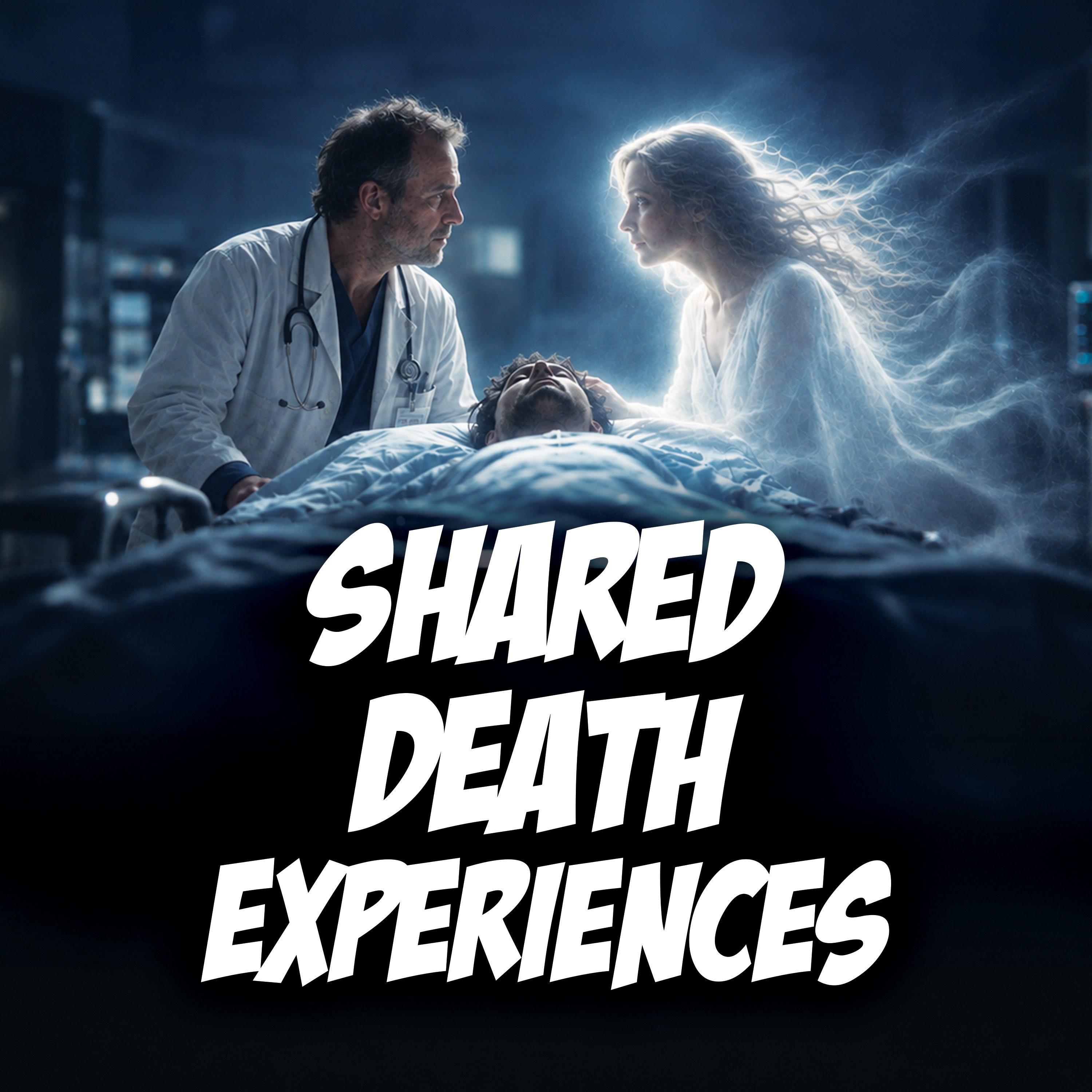
The opening trauma-room account returns as the episode’s sharpest puzzle: Dr. Jeff O’Driscoll and a nurse reportedly saw the same apparition beside a dying patient.
The brief
The episode opens with Dr. Jeff O’Driscoll’s trauma-room account: he and a nurse reportedly saw the same mysterious woman hovering over a patient who was dying.
Mayim Bialik and Jonathan define shared death experiences as visions, sensations, voices, or altered spaces reported by healthy witnesses rather than people near death themselves.
Accounts linked to Raymond Moody, William Peters, and others include tunnels, light, deceased relatives, music, mist, and remote experiences—patterns compelling enough to investigate but not prove.
The central tension is explanatory: grief, expectation, confirmation bias, and emotional mirroring may shape testimony, while neuroscience has not fully accounted for every recurring report.
Stories from Tara Swart, Mayim’s family, and other witnesses leave the hosts open to expanded ideas of reality without claiming that anecdote establishes an afterlife.
Books & mentions
Some links are affiliate links — PodLume may earn a commission if you buy.

