Oct 13, 2026 · 1h 19m
Stevie Wonder turned a double album into a spiritual universe
Spencer Hall on Stevie Wonder's Songs in the Key of Life at 50 | 10.13
The discussion explains why Songs in the Key of Life still feels expansive and intimate: its emotional directness is inseparable from its musical ambition.
- 1Stevie Wonder fused church, jazz, funk, soul, and global influences into an unusually collaborative studio sound.
- 2The album’s synthesizers and marathon recording process expanded what a Motown production could make possible.
- 3Its enduring force comes from treating faith, race, parenthood, love, and perseverance with disarming sincerity.
Don't miss
The hosts connect As’s spiritual intensity, layered arrangement, and expansive declarations of enduring love to the album’s deepest emotional ambition.
The brief
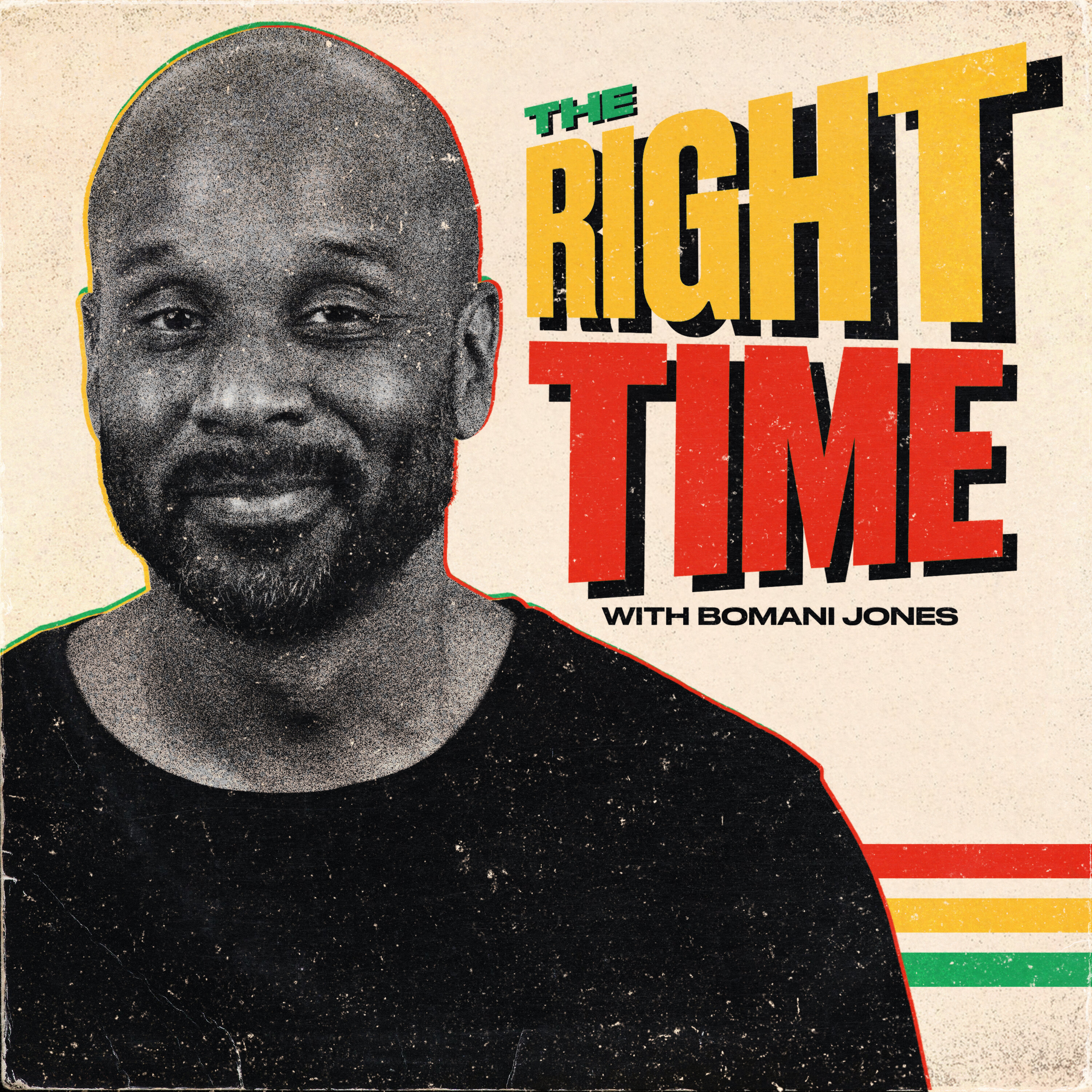
Bomani Jones and Spencer Hall revisit Stevie Wonder’s Songs in the Key of Life at 50, placing its sprawling sound against political upheaval, Motown’s support, and Wonder’s unusually long recording process.
The album’s church foundations shape its sequencing and emotional logic, but the hosts also emphasize how jazz, funk, soul, global influences, and collaborative arrangements keep its sincerity from becoming simplistic.
Wonder’s synthesizers create orchestral scale without strings, while tracks such as Village Ghetto Land and Contusion turn studio technology, bass, horns, and drumming into compositional tools.
The discussion moves from Sir Duke and I Wish through Isn’t She Lovely, Black Man, and the album’s stranger synthetic passages, tracking its shifts between celebration, critique, memory, and vulnerability.
The closing run, especially As and Another Star, makes the album’s central wager: declarations of love and faith can sound enormous without losing their human uncertainty.