Sep 25, 2026 · 12 min
Supreme Court ruling puts voter checks and global fault lines in focus
SCOTUS voter ID ruling, Xi wraps DC visit, New Zealand's farmers (Update)
The episode connects a consequential U.S. election-policy decision with economic unease, war diplomacy, geopolitical detention, AI governance, and New Zealand’s rural future.
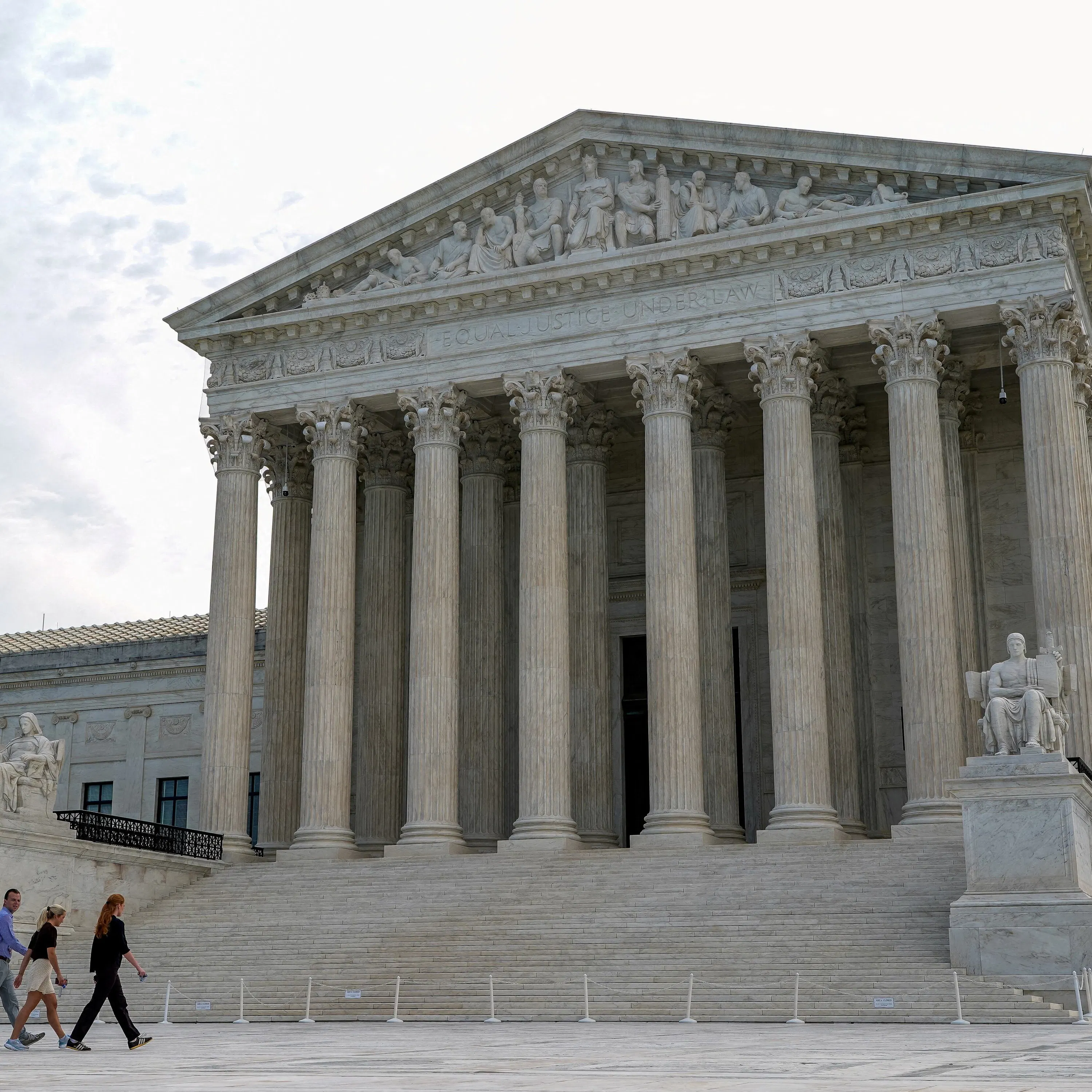
- 1The Supreme Court allows an expanded immigration database to support voter-eligibility checks before the midterm elections.
- 2An extended U.S.-China trade truce offers limited relief as inflation concerns weigh on consumer confidence.
- 3New Zealand farmers say carbon-credit pine plantations threaten agricultural livelihoods while policymakers pursue emissions reductions.
Don't miss
The New Zealand field report captures farmers’ warning that carbon-credit pine plantations could displace agriculture and isolate rural communities.
The brief
The Supreme Court allows the Trump administration’s expanded immigration database to be used for voter-eligibility checks before the midterm elections, raising the stakes around election administration.
The episode pairs that ruling with an extension of the U.S.-China trade truce and falling consumer confidence, as inflation concerns continue to weigh on Americans.
Benjamin Netanyahu’s UN speech draws protests and criticism over Israel’s war in Gaza, while Ukraine transfers two North Korean prisoners of war to South Korea.
Pope Leo warns that artificial intelligence could create a machine-controlled “paradise” as he begins a visit to France shaped partly by the church’s effort to recover from abuse scandals.
In New Zealand, farmers argue that pine plantations built around carbon credits are displacing sheep and beef agriculture, creating risks for rural communities and the wider economy.