Oct 13, 2026 · 26 min
Swisher argues relationships beat expensive longevity hacks
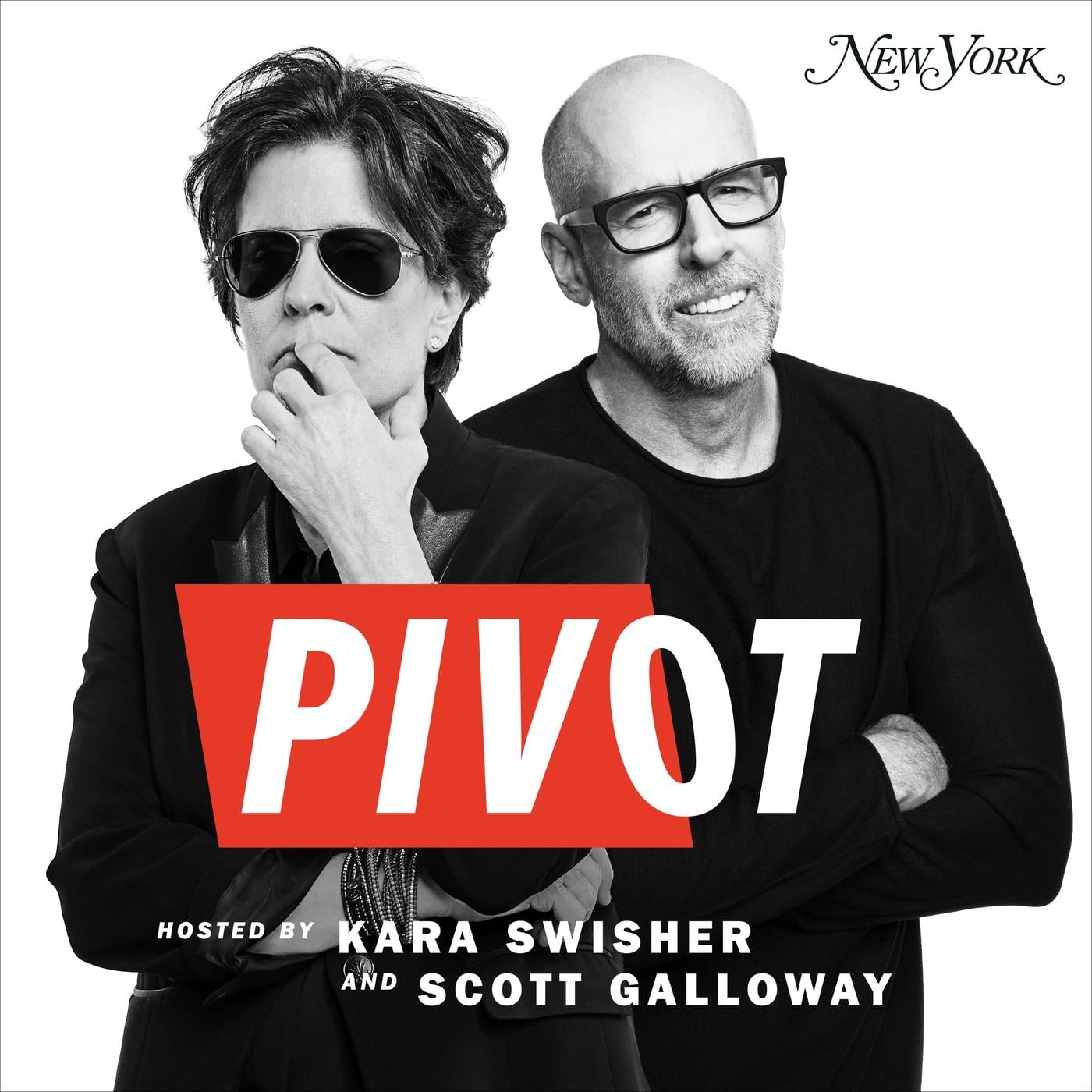
Kara Swisher Says the #1 Longevity Tool Isn't Sleep, Food, or Exercise | Project Swagger with Robin Arzón
The conversation reframes longevity as a question of healthspan, financial stability, daily habits, and durable human connection rather than premium wellness technology.
- 1Sustainable movement, nutritious food, sleep, and financial security matter more than costly wellness devices and treatments.
- 2Close relationships and community emerge as underused tools for preserving health, vitality, and resilience across life stages.
- 3Healthy families must balance exercise and better food with phone boundaries, parenting demands, and uncertainty about AI-driven work.
Don't miss
Swisher’s case that close relationships may be the most powerful longevity tool discussed, outweighing expensive wellness technologies.
The brief
Kara Swisher joins Robin Arzón on Project Swagger to examine longevity beyond life extension: the practical conditions that help people stay mobile, functional, and mentally sharp.
Their argument cuts against wellness maximalism. Walking after meals, eating well, sleeping, and maintaining financial stability matter more than red-light therapy, hyperbaric chambers, peptides, or tracking devices.
Swisher identifies close relationships as an especially powerful and neglected health resource, linking wellness to parenting, phone dependence, loneliness, and the challenge of rebuilding community.
The conversation widens to AI and work, suggesting hands-on and interpersonal jobs may resist automation while shared activities can turn online connection into real-world belonging.
The standout idea is simple but demanding: longevity depends less on optimizing every metric than on remaining connected, active, financially secure, and present for family.
Books & mentions
Some links are affiliate links — PodLume may earn a commission if you buy.