Oct 13, 2026 · 9 min
The economics prize began as a central-bank power play
How did we get a Nobel Prize in economics?
The prize’s origin story complicates its Nobel-like authority by showing how institutional ambition and political ideas shaped its creation.
- 1Sweden’s central bank created the economics prize in the 1960s to mark its anniversary and strengthen its influence.
- 2The Nobel family approved the award only after requiring a clear distinction from Alfred Nobel’s original prizes.
- 3Critics link the prize’s scientific prestige to politically influential economics, while its recent empirical focus offers a more nuanced assessment.
Don't miss
Gabriel Söderberg explains why he has softened his criticism as the prize has increasingly recognized empirical research.
The brief
The economics prize is widely treated as a Nobel, but its official name reveals a different origin: Sweden’s central bank created it decades after Alfred Nobel’s death.
Economic historian Gabriel Söderberg traces the initiative to central bank governor Per Osbrink, who wanted a prestigious way to mark the institution’s 300th anniversary and expand its influence.
Sweden’s Social Democratic government supported the plan, while Nobel family representatives agreed only if the new award remained distinct from the original Nobel Prizes.
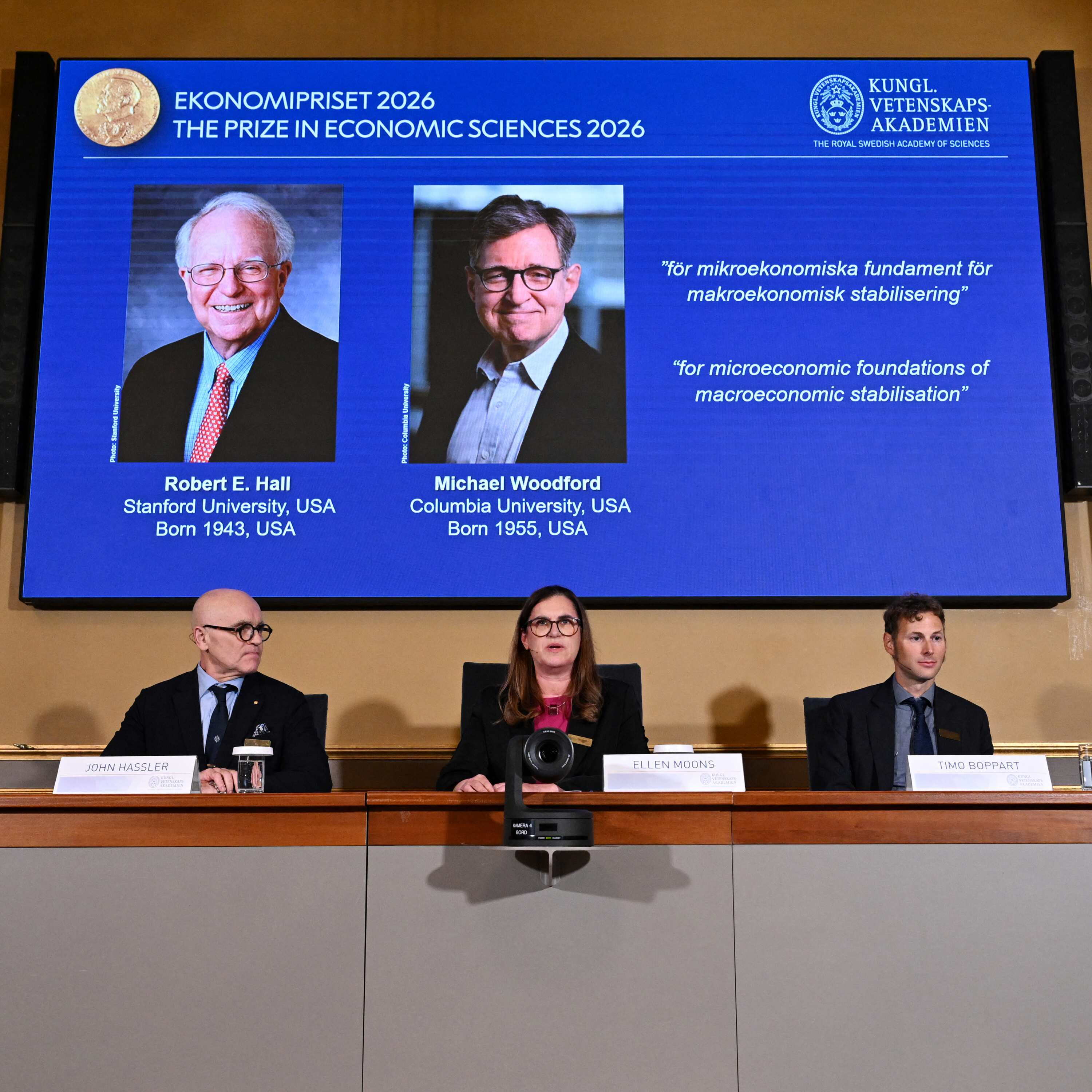
Unveiled in 1968 and first awarded in 1969, the prize gained Nobel-like status through shared ceremonies, even though the central bank funds it and another academy selects winners.
Söderberg weighs criticism that the prize legitimized market liberalism against its growing recognition of empirical research and its aspiration to make economics more scientific.
Books & mentions
Some links are affiliate links — PodLume may earn a commission if you buy.
