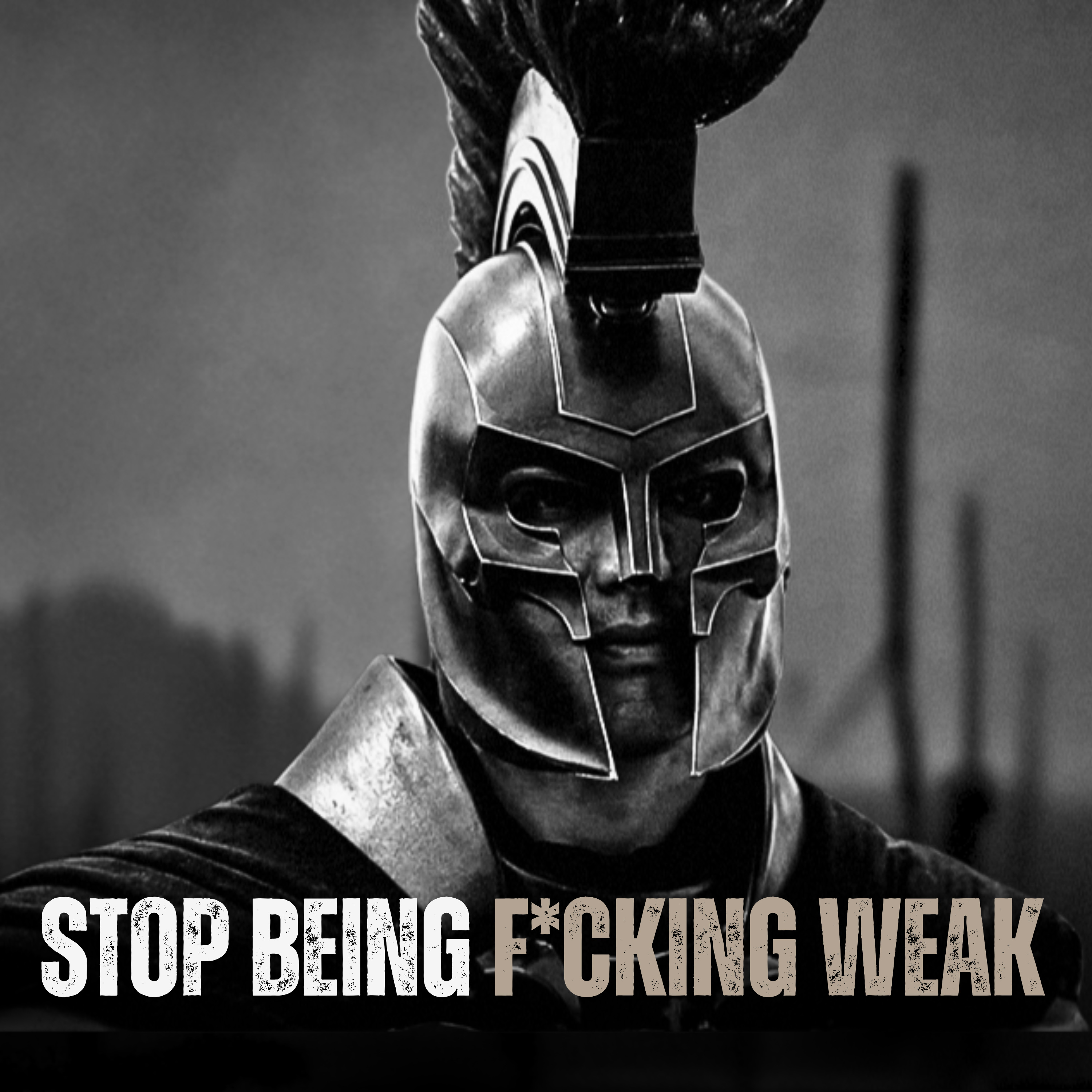
Sep 24, 2026 · 55 min
The episode turns pain into a discipline system
48 MINUTES OF MOST TESTOSTERONE VIDEO - Motivational Speech.
Its central question is whether lasting achievement depends less on temporary motivation than on ownership, sacrifice, and persistence through discomfort.
- 1Complete ownership means acting on long-term commitments regardless of mood, comfort, or outside approval.
- 2Working without applause shifts attention from validation to focused practice, self-talk, and surpassing the person you were before.
- 3Mental toughness converts failure and pain into progress by making difficult reactions, recovery, and consistency part of the process.
Don't miss
The Buster Douglas story turns the abstract message about resilience into a concrete image of refusing to remain defeated.
The brief
The opening frames pain, anger, and physical hardship as raw material for discipline, establishing a worldview that treats adversity as fuel rather than a reason to quit.
The argument then moves from intensity to accountability: meaningful goals require acting without waiting for the right mood, comfort, permission, or external validation.
Working without applause becomes its own discipline, measured against the former self through focused practice, positive self-talk, and skills built before anyone believes in the result.
The Buster Douglas story supplies the episode’s clearest image of recovery: after being pushed toward defeat, he becomes an example of refusing to stay down.
The closing distinction is between temporary motivation and mental toughness, with failure, sacrifice, and repeated discomfort presented as conditions of pursuing a goal.