Sep 21, 2026 · 24 min
Trump’s press ban exposes a fight over public accountability
Trump's Media Ban Backfires
The episode connects retaliation against news outlets to press access, media solidarity, and the administration’s vulnerability to scrutiny.
- 1The White House openly framed its outlet ban as retaliation, making press access a direct test of executive power.
- 2Media solidarity could limit Trump’s television exposure, but reduced coverage might also leave government actions less visible.
- 3Allegations involving Trump’s Israel policy circle sharpen MAGA’s internal conflict over foreign influence and U.S. support for Israel.
Don't miss
Will Sommer connects alleged donation solicitation involving David Milstein to MAGA’s broader fight over Israel, foreign influence, and corruption.
The brief
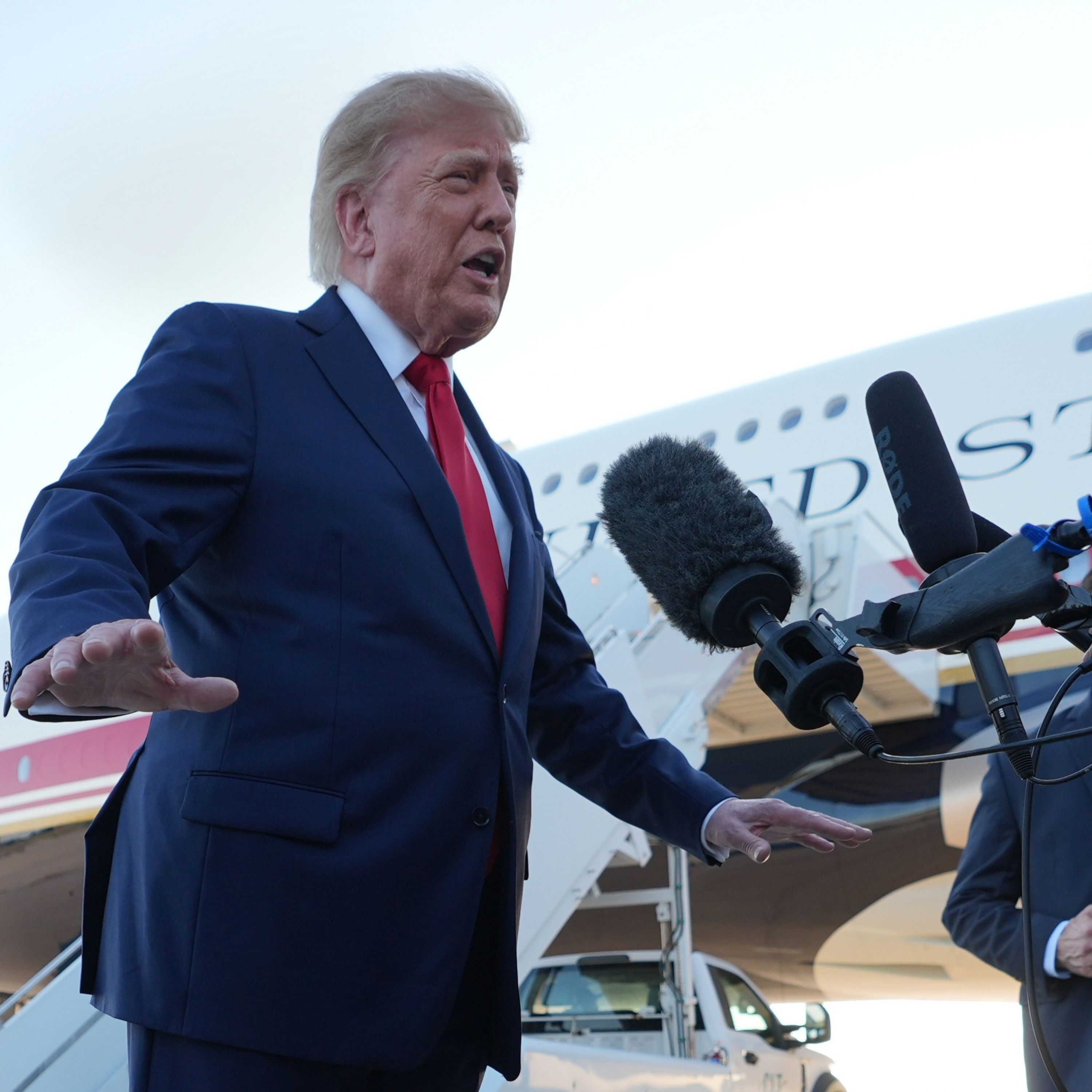
Erin Ryan and Will Sommer examine Trump’s decision to bar CNN, Politico, and MS NOW reporters from the White House press pool, treating it as retaliation with consequences beyond journalism.
Sommer explains why the lawsuits matter: the administration was unusually explicit that unfavorable coverage motivated the ban, turning press access into a constitutional and democratic fight.
The hosts weigh media solidarity, including skipping the usual coverage of Trump’s United Nations trip, against the risk that less television exposure could mean less public scrutiny.
The conversation then shifts to allegations involving David Milstein, an adviser to Mike Huckabee, and donations solicited from Israelis, with Mark Levin’s role adding political weight.
Sommer places the allegations inside MAGA’s fight over Israel, contrasting Israel-critical figures with Mark Levin and connecting foreign influence concerns to Trump family wedding reporting.