Sep 16, 2026 · 2h 11m
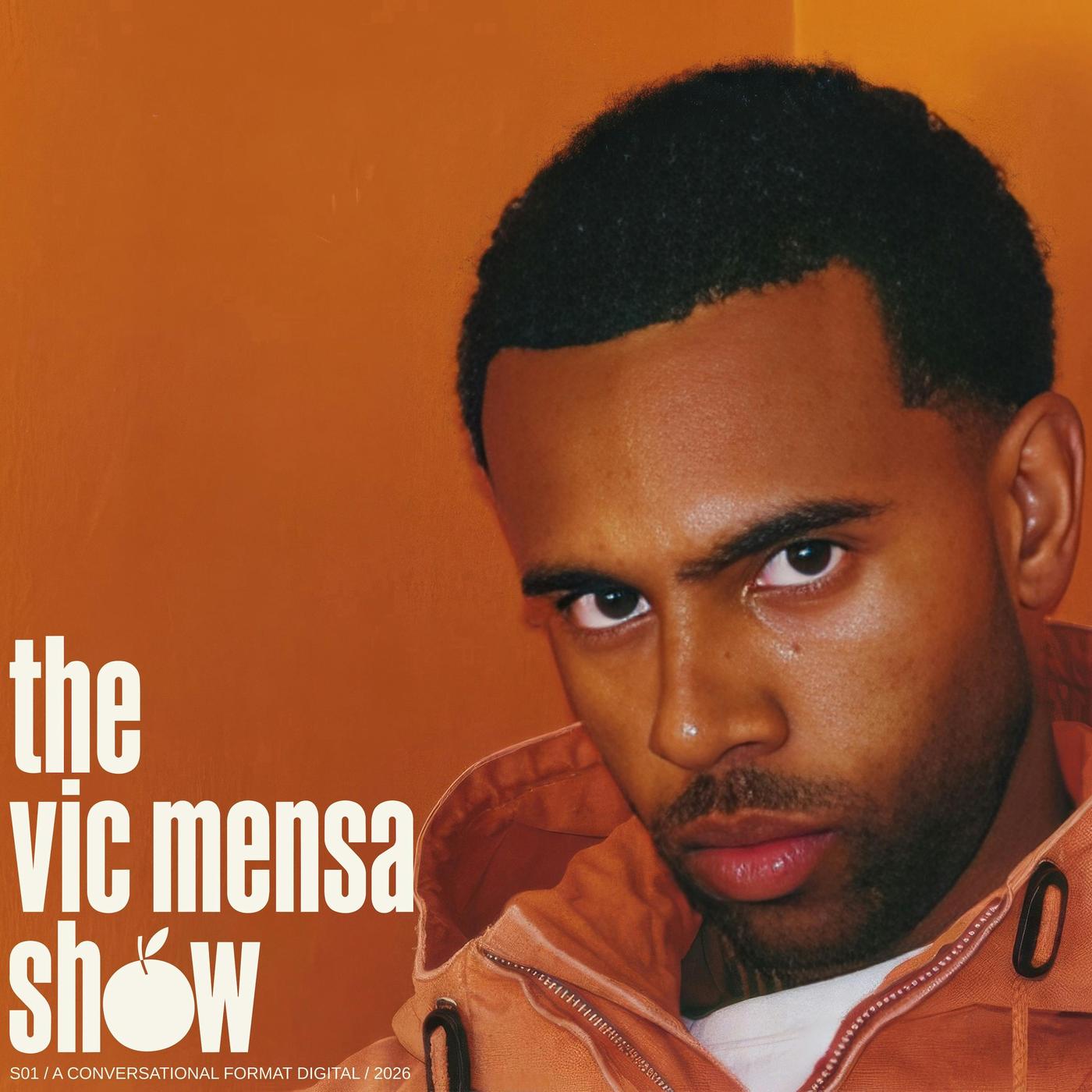
Vic Mensa and Van Lathan challenge politics, power, and public accountability
Van Lathan Jr.: Revolutionaries at Equinox
The conversation connects electoral compromise, racial violence, celebrity influence, artistic identity, and personal survival to a broader question of what freedom requires.
- 1Institutional loyalty can turn political affiliation into faith, obscuring complicity, constrained choices, and the human costs of state power.
- 2The Matrix becomes a metaphor for controlled opposition, while voting and public accountability remain necessary but limited tools against domination.
- 3Boxing, film, and personal vulnerability offer ways to confront fear, ego, reputation, and the pressure to perform certainty publicly.
Don't miss
Van Lathan’s reading of The Matrix turns Zion and controlled opposition into a sharp metaphor for political systems that permit rebellion without surrendering power.
The brief
Van Lathan and Vic Mensa open with jokes about Equinox and The Matrix before turning to the political and personal costs of seeking freedom as Black people.
They challenge party loyalty, liberal discomfort, and the illusion of electoral choice, arguing that institutions can absorb dissent while preserving the structures they claim to oppose.
The Matrix’s Zion becomes a metaphor for controlled opposition, linking limited rebellion to debates over Gaza, Kamala Harris, funding, voting, and political accountability.
The conversation then shifts to safety and survival: violence, masculinity, boxing, and the ways dominance can substitute for security in a society shaped by white supremacy.
Film and celebrity bring the argument back to art and reputation, from Mo' Better Blues and Do the Right Thing to Chi-Raq, TMZ, and Vic’s airport arrest.
Books & mentions
Some links are affiliate links — PodLume may earn a commission if you buy.
Mo' Better Blues
The film is central to the discussion of artistic ambition, identity, and the costs of creative commitment.
Do the Right Thing
Its treatment of racial tension and community conflict deepens the episode’s discussion of Spike Lee’s artistic vision.
Chi-Raq
The hosts’ disagreement over its treatment of Chicago opens a useful question about artistic conviction and political representation.