Aug 24, 2026 · 1h 26m
A bank robbery becomes a film about myth and moral cost
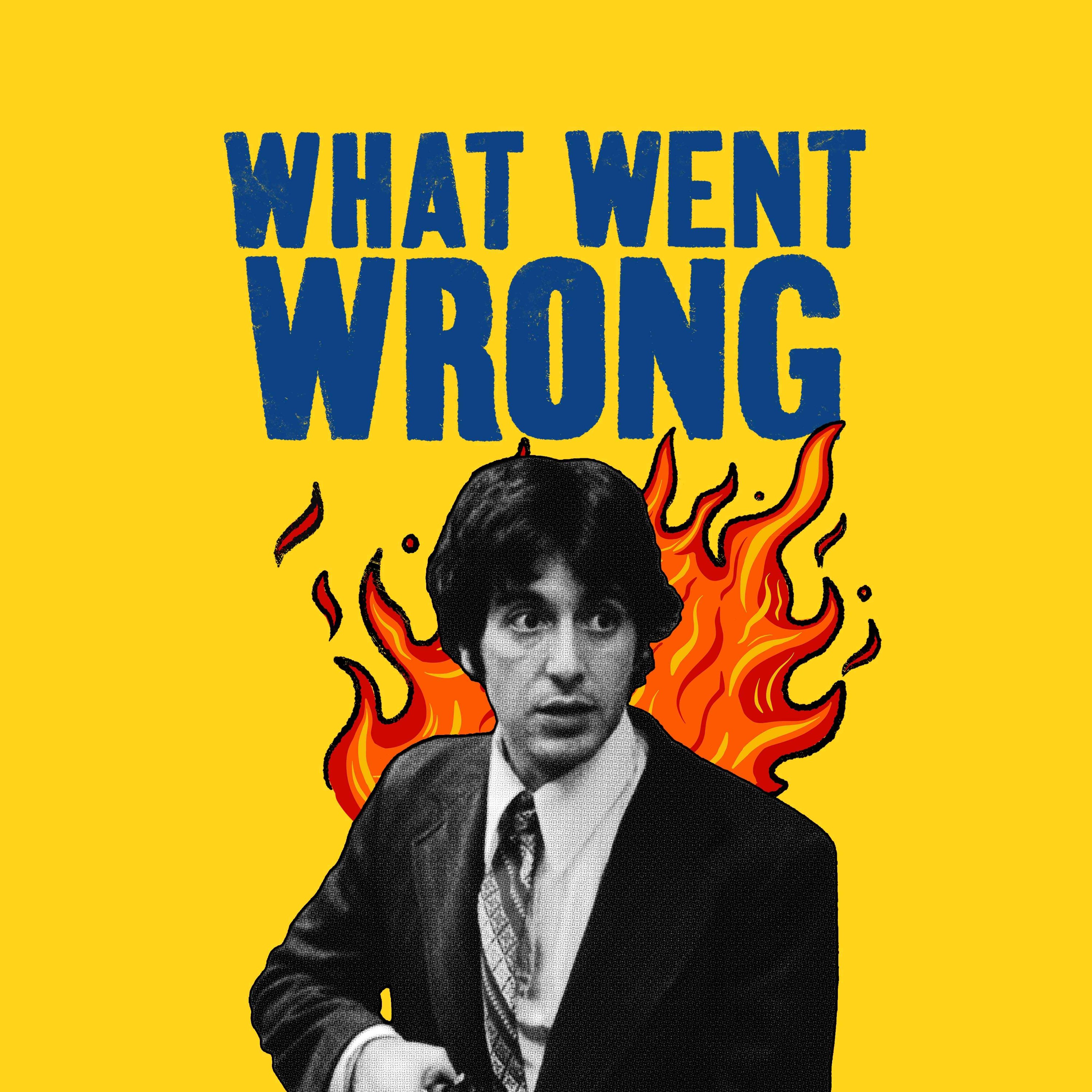
Dog Day Afternoon
The episode shows how Dog Day Afternoon turned a recent crime, transgender identity, and gay liberation into a sympathetic but contested Hollywood story.
- 1The film’s realism emerged from difficult choices about how closely to follow John Wojtowicz’s contradictory history.
- 2Al Pacino and Sidney Lumet balanced humor, danger, sexuality, and moral ambiguity through performance and restraint.
- 3Dog Day Afternoon’s mythology outlasted the robbery’s troubling facts, reshaping how Wojtowicz, Elizabeth Eden, and Sal Naturile were remembered.
Don't miss
The hosts unpack how the improvised “Attica!” chant transformed a bank standoff into a pointed expression of distrust in police power.
The brief
Lizzie and Chris begin with Dog Day Afternoon’s pressure-cooker realism: its relentless pace, absent score, and Al Pacino’s performance make sympathy feel inseparable from danger.
The story began with John Wojtowicz’s failed 1972 robbery, whose links to Elizabeth Eden, transgender identity, and gay liberation made the crime larger—and stranger—than a conventional heist.
Frank Pierson, Sidney Lumet, and Pacino had to decide what kind of story they were making, turning recent events into a film that simplified motives while preserving moral uncertainty.
Rehearsals produced the film’s most famous improvisations, including Sonny’s “Attica!” chant and Sal’s choice of Wyoming, moments that redirected the standoff toward distrust of police power.
The episode closes on the cost of the mythology: Wojtowicz challenged the film’s treatment of Carmen, his family, and Sal, even as its version of events became the lasting one.
Weekly email
State of the Pod, every Monday
The week's most-discussed names and stories from podcasts, with the moments behind them. Free, five minutes, unsubscribe in one click.