Oct 24, 2026 · 50 min
Abortion pills expose the gap between medical care and political control
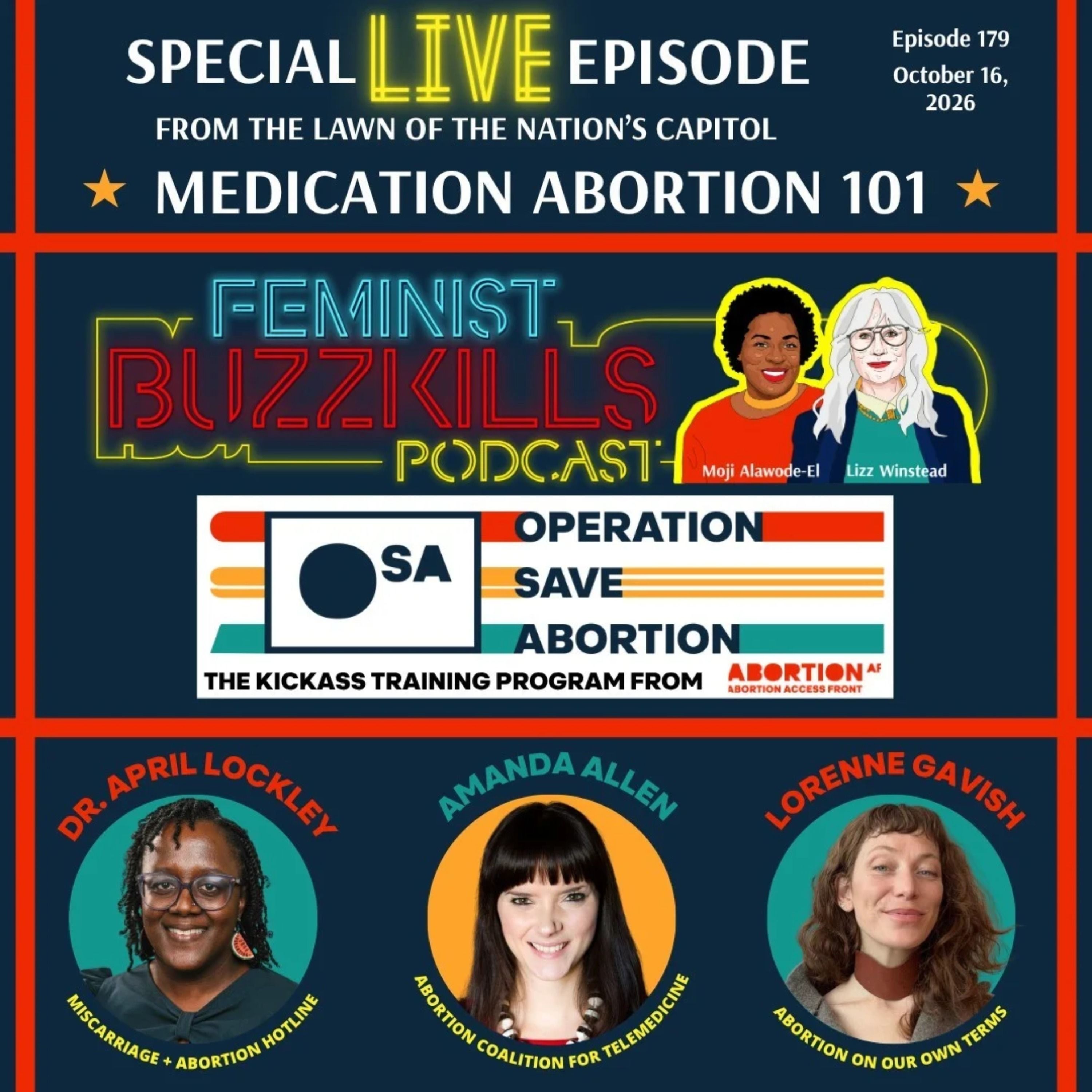
Operation Save Abortion: Medication Abortion 101 With Dr. April Lockley, Amanda Allen & Lorenne Gavish
The episode connects medication abortion’s practical realities with the legal threats and community resources shaping access after Dobbs.
- 1Mifepristone and misoprostol support abortion and miscarriage care, with experiences and access routes varying widely.
- 2Telehealth, self-managed care, hotlines, and community networks can expand access when clinics are unavailable or restricted.
- 3Shield laws and legal-support organizations have become essential as states contest mifepristone access and criminalize pregnancy outcomes.
Don't miss
Allison’s account of obtaining a medication abortion while in an abusive relationship illustrates why flexible access can matter more than rigid clinic protocols.
The brief
April Lockley and Amanda Allen join the Operation Save Abortion training to explain medication abortion, self-managed care, and the access choices shaped by privacy, cost, convenience, and autonomy.
The panel explains how mifepristone and misoprostol work, what cramping, bleeding, nausea, and other effects can feel like, and which warning signs call for medical attention.
A personal account of medication abortion during an abusive relationship shows why rigid clinic protocols can be unnecessary for some patients and why flexible access matters.
The discussion moves from telehealth and the Miscarriage and Abortion Hotline to shield laws, Louisiana v. FDA, and legal support amid continuing restrictions.
The closing toolkit turns information into advocacy, pairing reliable pill-access and legal resources with guidance for countering misinformation and supporting abortion access.
Weekly email
State of the Pod, every Monday
The week's most-discussed names and stories from podcasts, with the moments behind them. Free, five minutes, unsubscribe in one click.