Oct 9, 2026 · 12 min
ADHD’s emotional toll remains missing from U.S. diagnosis
One of the toughest parts of ADHD is left out of the diagnosis
The episode examines why intense reactions to rejection and criticism can shape ADHD experiences without appearing in standard diagnostic criteria.
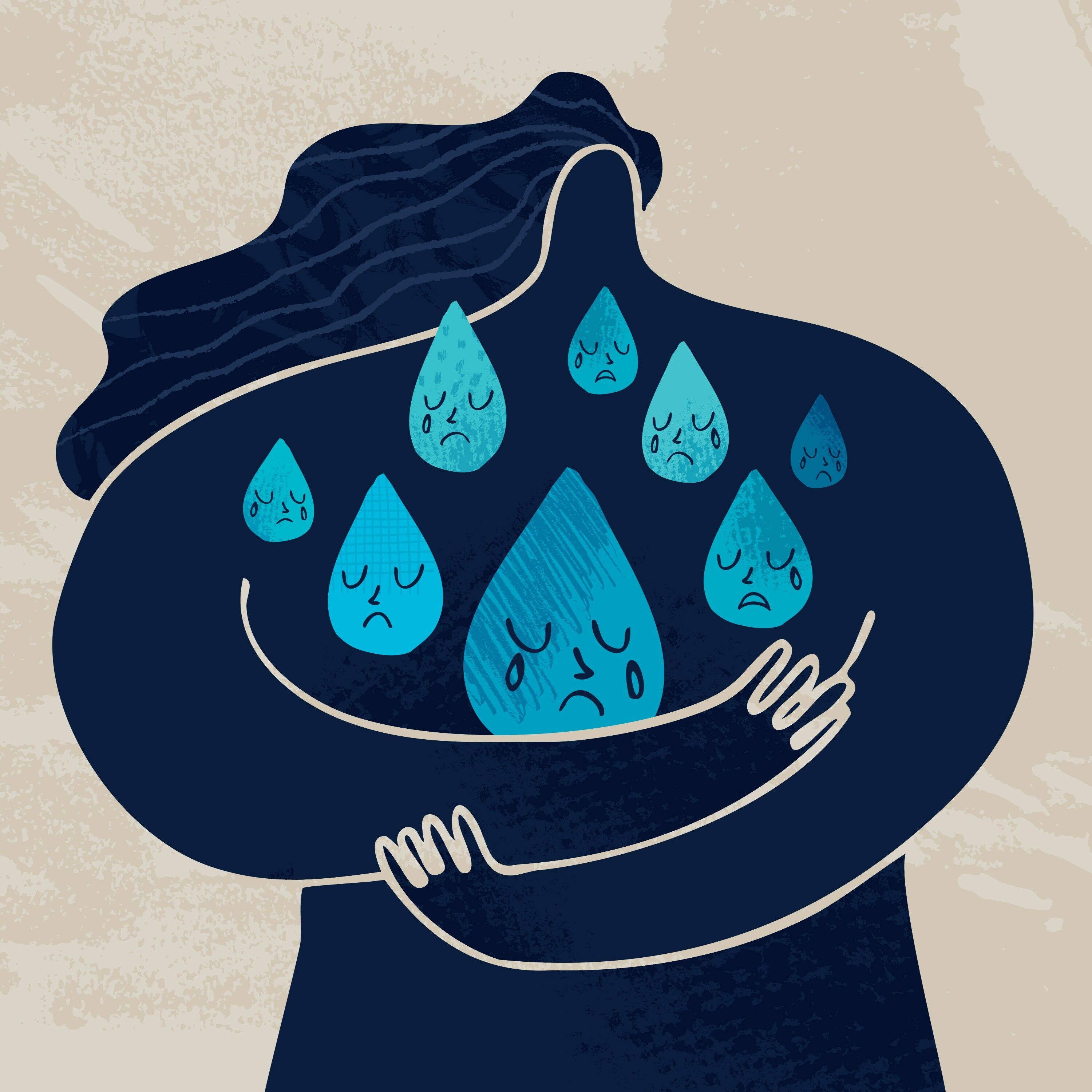
- 1Rejection-sensitive dysphoria can make criticism or perceived rejection feel like an acute emotional or physical threat.
- 2U.S. ADHD criteria emphasize observable symptoms, leaving emotional dysregulation underrecognized in clinical care.
- 3Recognizing recurring emotional patterns can support coping strategies including mindfulness, breathing, and riding out emotional waves.
Don't miss
Sasha Hamdani recounts abandoning her pediatrician ambitions after criticism about her emotional reactions, making the diagnostic gap personal.
The brief
Psychiatrist Sasha Hamdani describes abandoning her goal of becoming a pediatrician after a supervisor criticized her emotional reactions, introducing rejection-sensitive dysphoria.
Hamdani explains how the amygdala and related systems process emotional danger, helping clarify why criticism or rejection can feel disproportionately powerful.
The episode’s central tension is diagnostic: U.S. ADHD criteria prioritize observable symptoms, while emotional dysregulation remains largely absent from formal standards.
Hamdani says recognition varies among clinicians, but public discussion and education are expanding awareness of rejection-sensitive dysphoria in ADHD care.
She outlines pattern recognition, mindfulness, deep breathing, cyclic sighing, and riding out emotional waves as ways to manage intense episodes.
Books & mentions
Some links are affiliate links — PodLume may earn a commission if you buy.
