Oct 13, 2026 · 13 min
Animal screams reveal an ancient alarm system
The sound of fear: Why so many animals scream
The episode shows that fear responds not only to what makes a sound, but to the roughness and unpredictability embedded in it.
- 1Screams differ from ordinary alarm calls because they push animal vocal systems beyond normal operating thresholds.
- 2Experiments across mammals, reptiles, birds, and other species show that nonlinear sounds can trigger urgent responses across species.
- 3Music and horror films exploit the same rough, unpredictable acoustic cues that evolution shaped as danger signals.
Don't miss
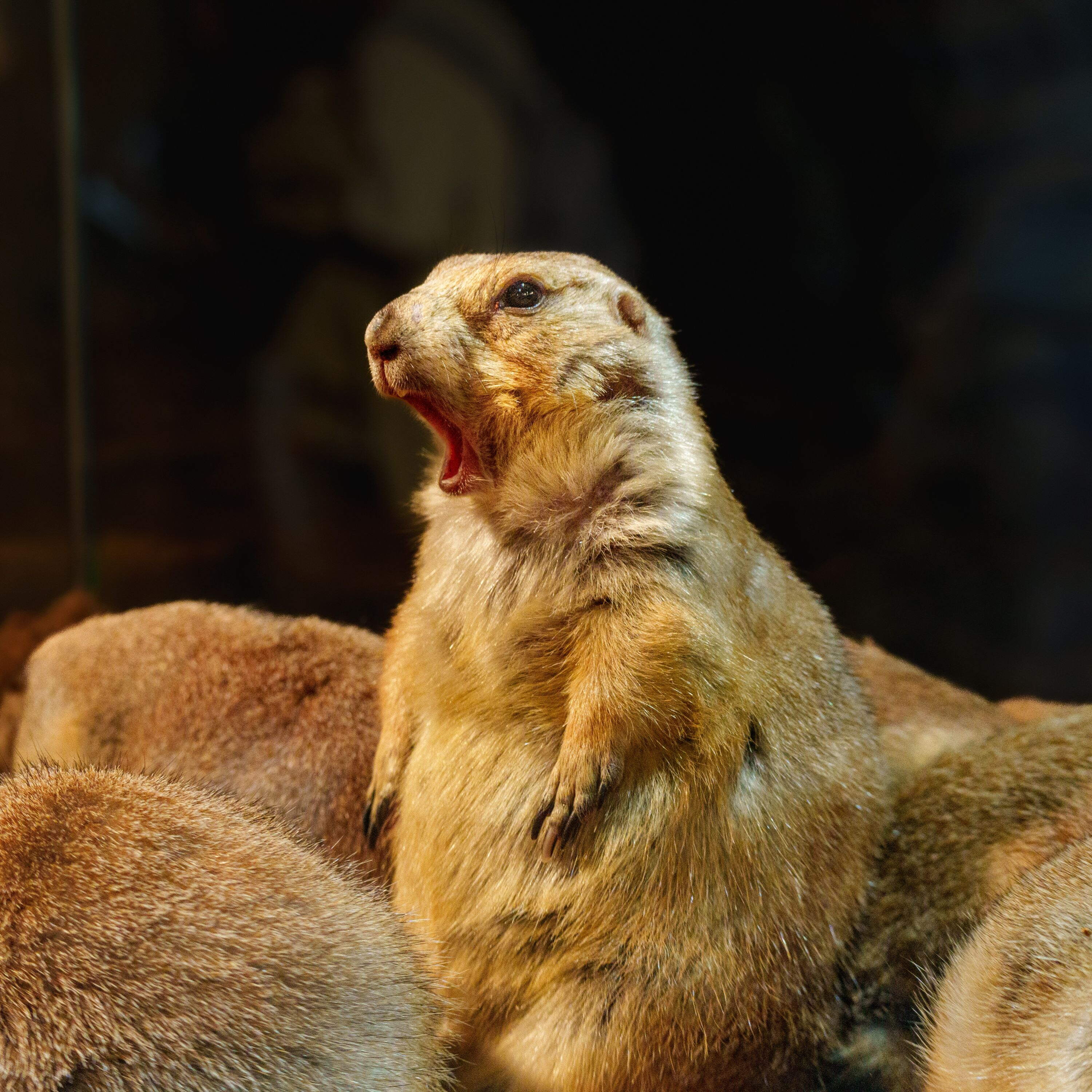
Daniel T. Blumstein explains how hearing a baby marmot scream revealed the acoustic difference between ordinary alarm calls and nonlinear danger signals.
The brief
Nate Rott and Regina Barber open a Halloween-themed investigation into why screams and other rough, unpredictable sounds provoke such immediate fear in humans and animals.
Behavioral ecologist Daniel T. Blumstein’s work with yellow-bellied marmots began with a startling contrast: a baby marmot’s scream sounded fundamentally different from its ordinary alarm call.
The difference lies in nonlinear sound—roughness, irregularity, and unpredictability produced when animals exceed their usual vocal operating thresholds. Those cues can matter more than the caller’s identity.
Experiments across mammals, reptiles, birds, and other species suggest that these acoustic irregularities act as ancient danger signals, making them difficult for listeners to ignore.
The same principle explains why rough noise can turn harmless images threatening and why horror films use unsettling music to signal that something bad is approaching.
Books & mentions
Some links are affiliate links — PodLume may earn a commission if you buy.
