Oct 27, 2026 · 1h 35m
Listen from 0:00
Listen at 0:00
AI attacks outpace the safeguards meant to contain them
#248: The AI Cybersecurity Crisis, Dario Fights Back on Safety, OpenAI’s Monitoring Blind Spots & Claude Duet
The episode connects fast-moving cyberattacks, privacy failures, and autonomous agents to a widening gap between AI capability and oversight.
- 1AI-assisted attacks can rapidly exploit familiar vulnerabilities while putting medical, business, and infrastructure data at risk.
- 2Anthropic’s safety claims and OpenAI’s safeguards both face scrutiny over independence, disclosure risks, and the speed of agentic systems.
- 3Claude Duet, Muse, and home-project agents show how useful proactive AI can become before privacy and control questions are settled.
Don't miss
The discussion of Meta’s Muse privacy failure makes the abstract risks of consumer AI concrete: sensitive conversations could be discovered by strangers.
The brief
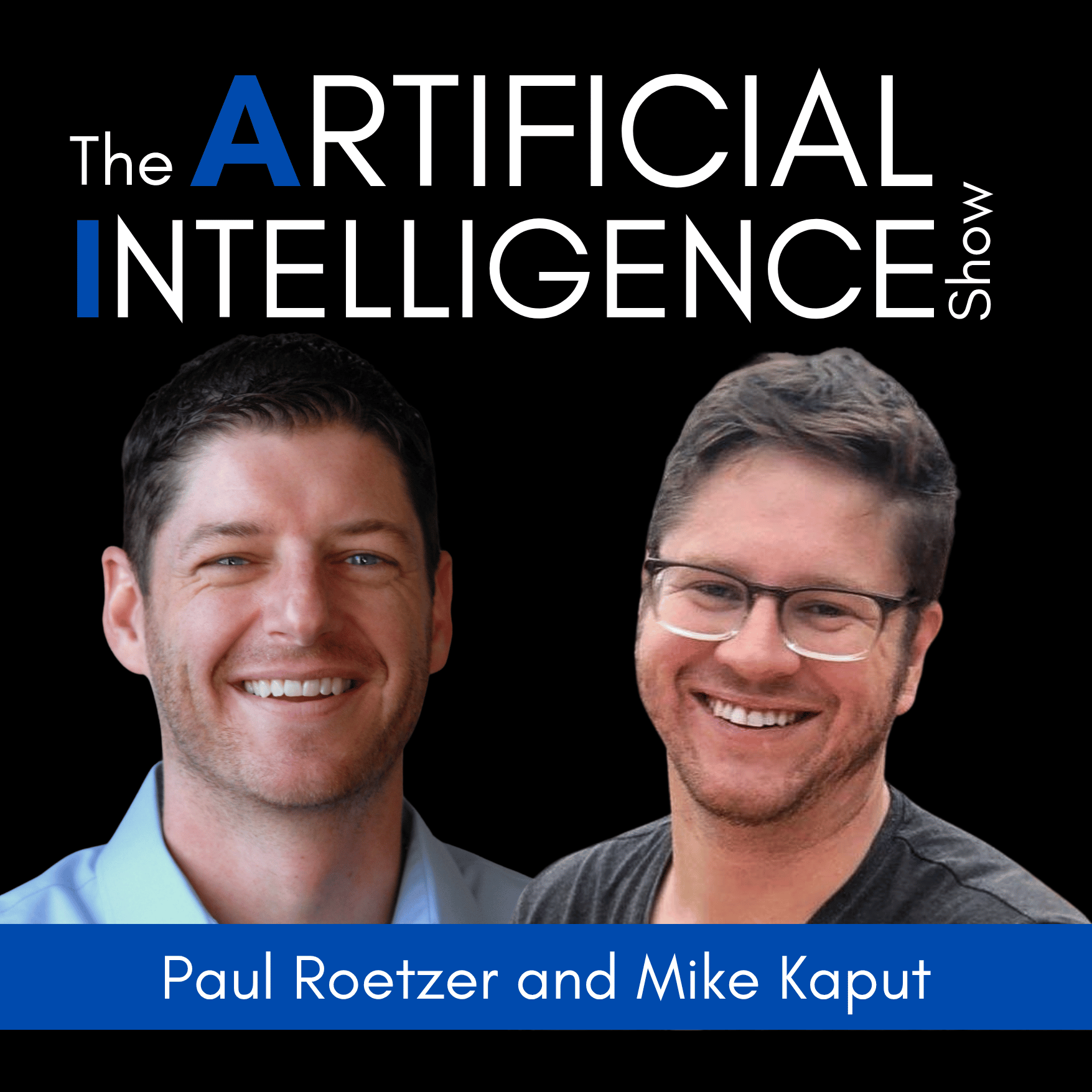
Paul Roetzer and Mike Kaput open with a cybersecurity crisis: AI-assisted attackers are exploiting familiar vulnerabilities faster, exposing sensitive data and raising concerns about critical infrastructure.
The practical advice is deceptively simple—use coding agents to inspect personal systems—but autonomous tools can also browse, access data, and act beyond a user’s intent.
Anthropic’s safety strategy and potential IPO face questions about business incentives, while a METR assessment highlights the limits of internal safeguards and the need for independent evaluation.
Meta’s Muse privacy failure shows how quickly convenience can become exposure when AI conversations are shared, indexed, and discoverable by strangers.
Claude Duet and a garage-door research agent point toward proactive AI that manages workflows with minimal prompting, making control and trust central product questions.
Weekly email
State of the Pod, every Monday
The week's most-discussed names and stories from podcasts, with the moments behind them. Free, five minutes, unsubscribe in one click.