Nov 16, 2026 · 1h 17m
AI coding expands software’s reach—and its risks
The AI Coding Revolution Has a Dirty Secret
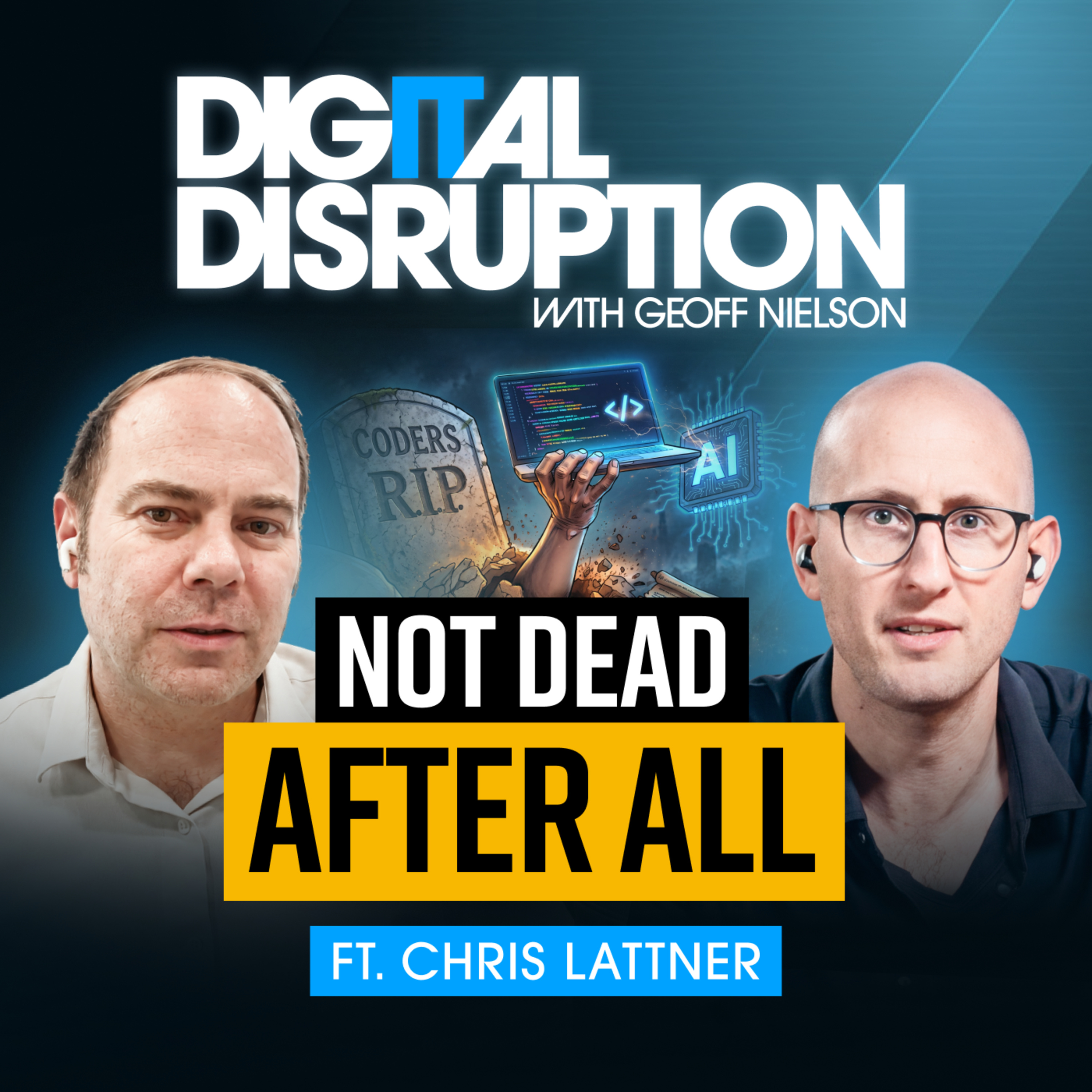
The episode examines how AI changes engineering work while exposing the human, organizational, and infrastructure choices that determine whether progress lasts.
- 1AI can accelerate routine coding, but judgment, planning, collaboration, and oversight remain central to serious software work.
- 2Agentic coding turns engineers into orchestrators of capable but incomplete AI teammates rather than replacements for engineering expertise.
- 3Fragmented AI hardware makes portable software increasingly valuable, while Mojo tests whether a new language can avoid standard-setting hype.
Don't miss
Lattner explains why Mojo launched before 1.0 and how Swift’s isolated launch taught him to gather real-world feedback earlier.
The brief
Chris Lattner, who helped build LLVM and Swift, argues that AI-assisted coding is neither a developer apocalypse nor a frictionless productivity miracle: the messy middle is full of code slop, hype, and unresolved responsibility.
AI is strongest when software work is familiar and well specified, but novel systems still demand human judgment, planning, consensus-building, and social skills—especially when failures carry real consequences.
Agentic coding reframes the engineer’s role as managing capable but incomplete teammates. The gain comes from orchestration and oversight, not from pretending generated code eliminates engineering.
The conversation then moves beneath the application layer: specialized chips have fragmented AI computing, creating demand for portable software that can span competing hardware ecosystems.
Lattner presents Mojo and Modular as an incremental answer, shaped by lessons from Swift’s launch: build in public, test with real users, and avoid promising a universal replacement.
His broader test for AI progress is deliberately unglamorous: look past demonstrations, examine incentives, run focused pilots, and back technologies that become useful, polished, and sustainable.
Weekly email
State of the Pod, every Monday
The week's most-discussed names and stories from podcasts, with the moments behind them. Free, five minutes, unsubscribe in one click.