Nov 12, 2026 · 9 min
Alabama students make the case for business as a liberal art
Should personal finance be part of the liberal arts?
The episode examines whether practical financial knowledge belongs alongside humanities as schools prepare students for an unpredictable economy.
- 1An Alabama high school’s AP course connects compound interest, Roth IRAs, inflation, and employment to everyday decisions.
- 2Business education can offer both career preparation and college credit without displacing the humanities.
- 3Students describe financial knowledge as a way to understand family conversations, economic change, and the world around them.
Don't miss
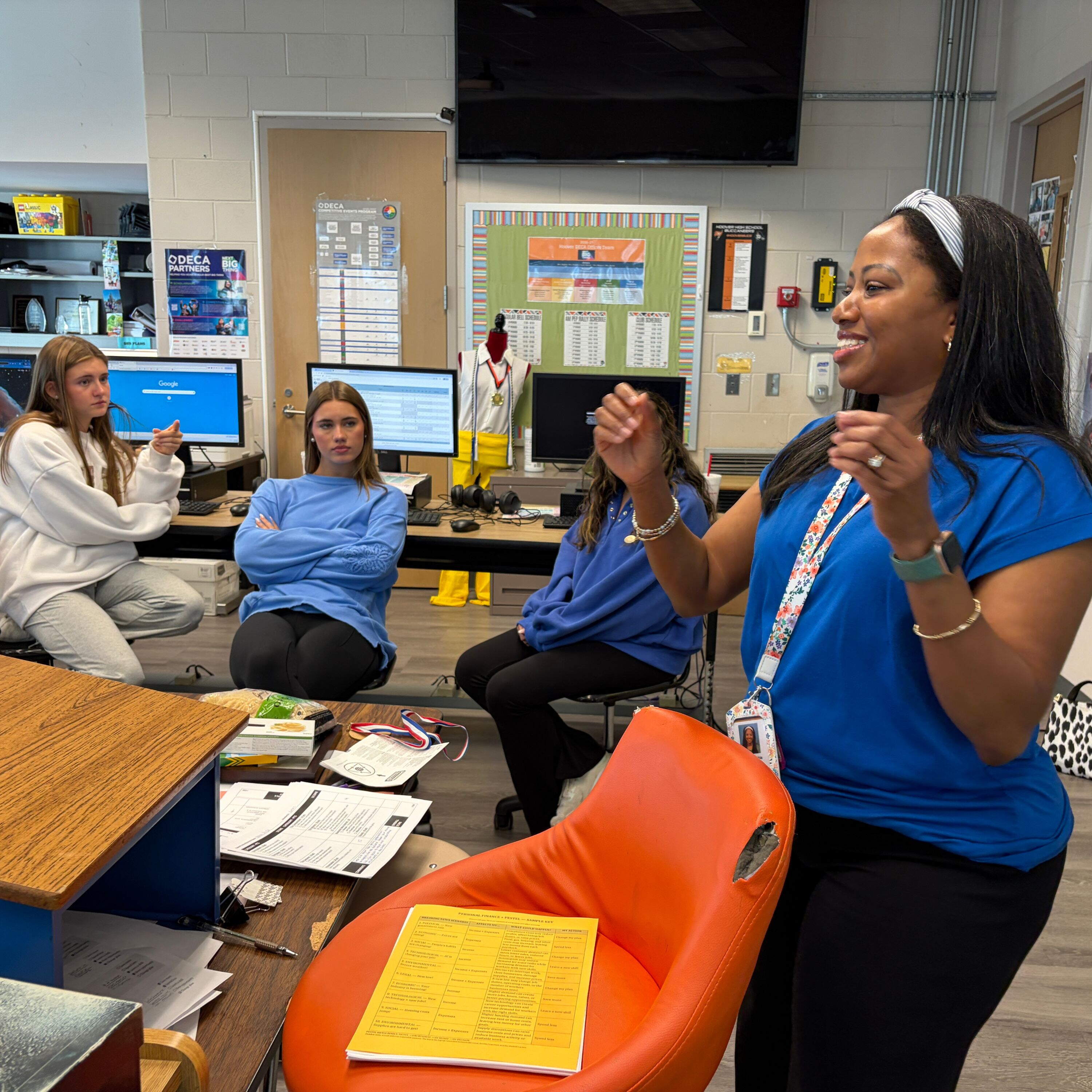
Students explain how learning business and personal finance helps them join family conversations and understand how the world works.
The brief
At Hoover High School in Alabama, students study compound interest, Roth IRAs, inflation, employment, and an economy reshaped by rising prices and artificial intelligence.
The class turns personal finance into a practical test of education’s purpose: should schools teach students how to navigate money as well as how to interpret culture and history?
Students describe saving income from part-time jobs and contributing to Roth IRAs, while the episode connects financial education with better decisions later in life.
Teacher Jerry Kimball and College Board CEO David Coleman argue that business can prepare students for careers, college credit, and employer-recognized credentials.
Coleman’s broader claim is that business belongs beside the liberal arts because adaptation, not just specialized training, helps people turn intellectual interests into sustainable work.
Weekly email
State of the Pod, every Monday
The week's most-discussed names and stories from podcasts, with the moments behind them. Free, five minutes, unsubscribe in one click.