Nov 20, 2026 · 50 min
Animal mysteries reshape science and conservation
Uncovering the mysteries of the animal kingdom
The episode shows how close observation—from fossils and insect droplets to snakes and tapirs—can overturn assumptions and guide conservation.
- 1Mary Anning’s fossil discoveries helped establish modern paleontology despite limited recognition during her lifetime.
- 2A king cobra bite led Gowri Shankar to evidence that the presumed single species comprises four distinct species.
- 3Tapirs sustain forest biodiversity by dispersing seeds, making their protection central to preserving Brazil’s changing ecosystems.
Don't miss
After a king cobra bite and failed antivenom treatment, Gowri Shankar investigates and finds evidence for four distinct king cobra species.
The brief
Dean Lomax revisits Mary Anning’s fossil work and the discovery of a complete ichthyosaur, then follows that legacy to a ten-meter skeleton excavated in landlocked Rutland.
Saad Bhamla’s high-speed experiments reveal how the glassy-winged sharpshooter uses a specialized butt flicker and surface tension to launch urine droplets at remarkable speed.
Gowri Shankar’s king cobra rescue work took a dangerous turn when a bite and failed antivenom prompted evidence that the animal known as one species is actually four.
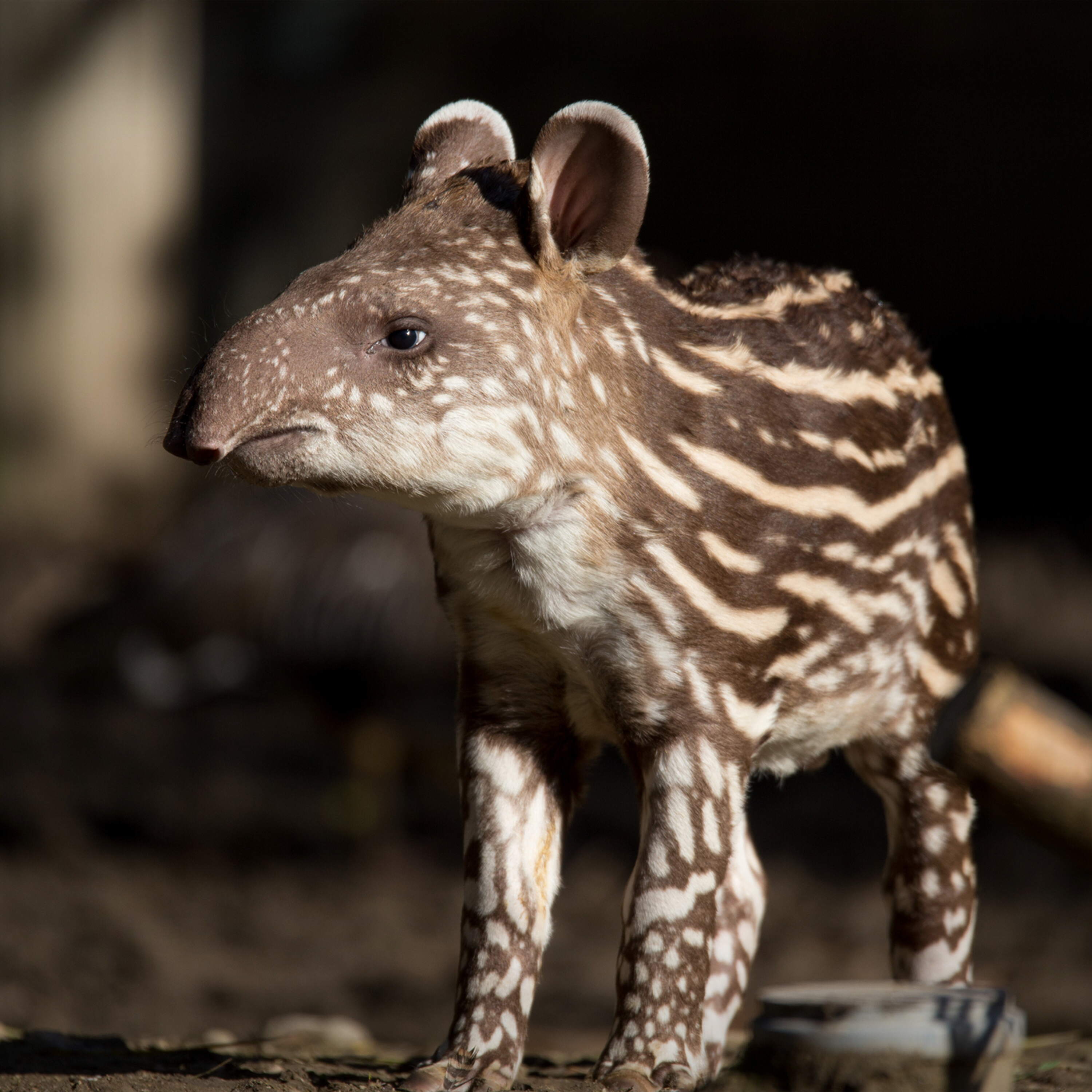
Patrícia Medici tracks lowland tapirs across Brazil’s Pantanal and Cerrado, where seed dispersal makes these elusive animals essential to ecosystems threatened by habitat loss, hunting and roads.
The episode links seemingly small biological puzzles to larger consequences: better science, more precise medical tools, coexistence with wildlife and practical conservation.
Weekly email
State of the Pod, every Monday
The week's most-discussed names and stories from podcasts, with the moments behind them. Free, five minutes, unsubscribe in one click.