Oct 12, 2026 · 36 min
Bob’s maps a disciplined path to 500 furniture stores
This Is the Time: Bob’s Discount Furniture on Retail Expansion
Bob’s expansion plan shows how value-focused physical retail depends on coordinated real estate, distribution, data, and customer experience.
- 1Bob’s plans to grow from more than 200 stores to at least 500 by 2035 through disciplined market development.
- 2Store openings and distribution centers advance together to protect delivery promises as the retailer enters new regions.
- 3Flexible formats, furniture clusters, and welcoming stores help Bob’s make physical shopping relevant for value-conscious customers.
Don't miss
The clearest strategic insight comes when Bob’s explains that it develops entire markets—not isolated stores—using data on density, profitability, share, and cannibalization.
The brief
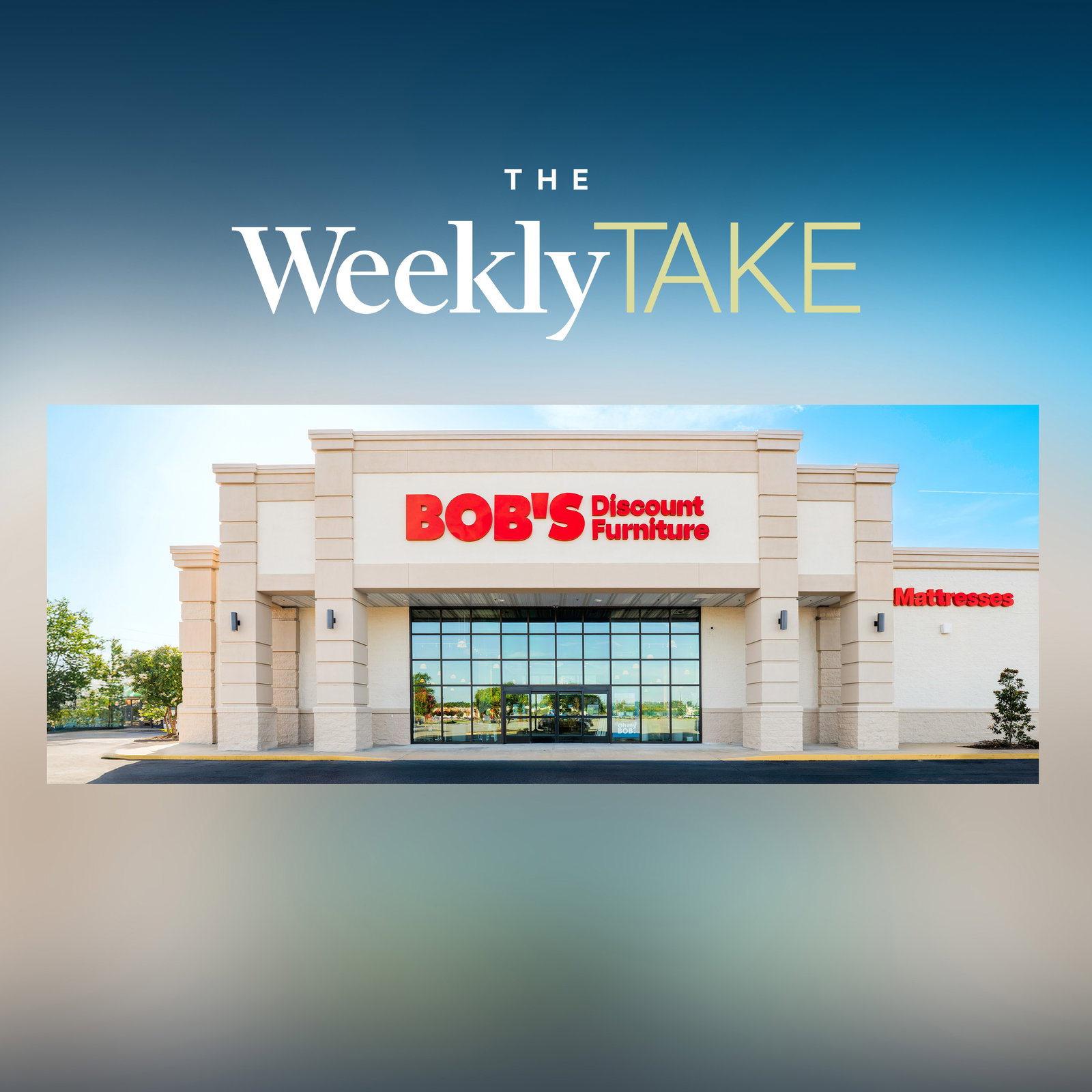
Ryan Schaefer and Christopher Day outline how Bob’s Discount Furniture aims to scale from more than 200 stores to 500-plus by 2035 without losing its value-focused identity.
The company treats expansion as a market-building exercise: data guides density, profitability, market share, and cannibalization decisions before individual sites are approved.
Store growth and distribution planning move together because Bob’s customer promise depends on delivering furniture relatively quickly across an expanding geographic footprint.
Bob’s enters new regions with flexible formats, experienced managers, regional assortment adjustments, and partnerships such as NASCAR and Joe Gibbs Racing in the Southeast.
Its stores are designed as destinations, with low-pressure selling, cafés, and memorable touches such as former fish ponds, while furniture clusters help comparison shoppers.
The central bet is that physical retail remains valuable when stores make large purchases tactile, social, accessible, and consistent with the brand’s everyday-value proposition.