Oct 8, 2026 · 31 min
Botched executions expose capital punishment’s uncertain future
A Failed Execution and the Future of the Death Penalty
The episode shows how wrongful-conviction fears, rising costs and unreliable execution methods are reshaping America’s debate over state killing.
- 1Public support for capital punishment fell as crime declined, costs rose and DNA exonerations exposed failures in the justice system.
- 2Lethal injection’s promise of humane execution has collided with drug shortages, medical nonparticipation and increasingly improvised state protocols.
- 3Florida is accelerating executions while shortening appeals and limiting transparency, intensifying concerns about due process and wrongful convictions.
Don't miss
The discussion connects Florida’s opaque, accelerated execution process to the hidden risks of drugs and procedures that may conceal suffering.
The brief
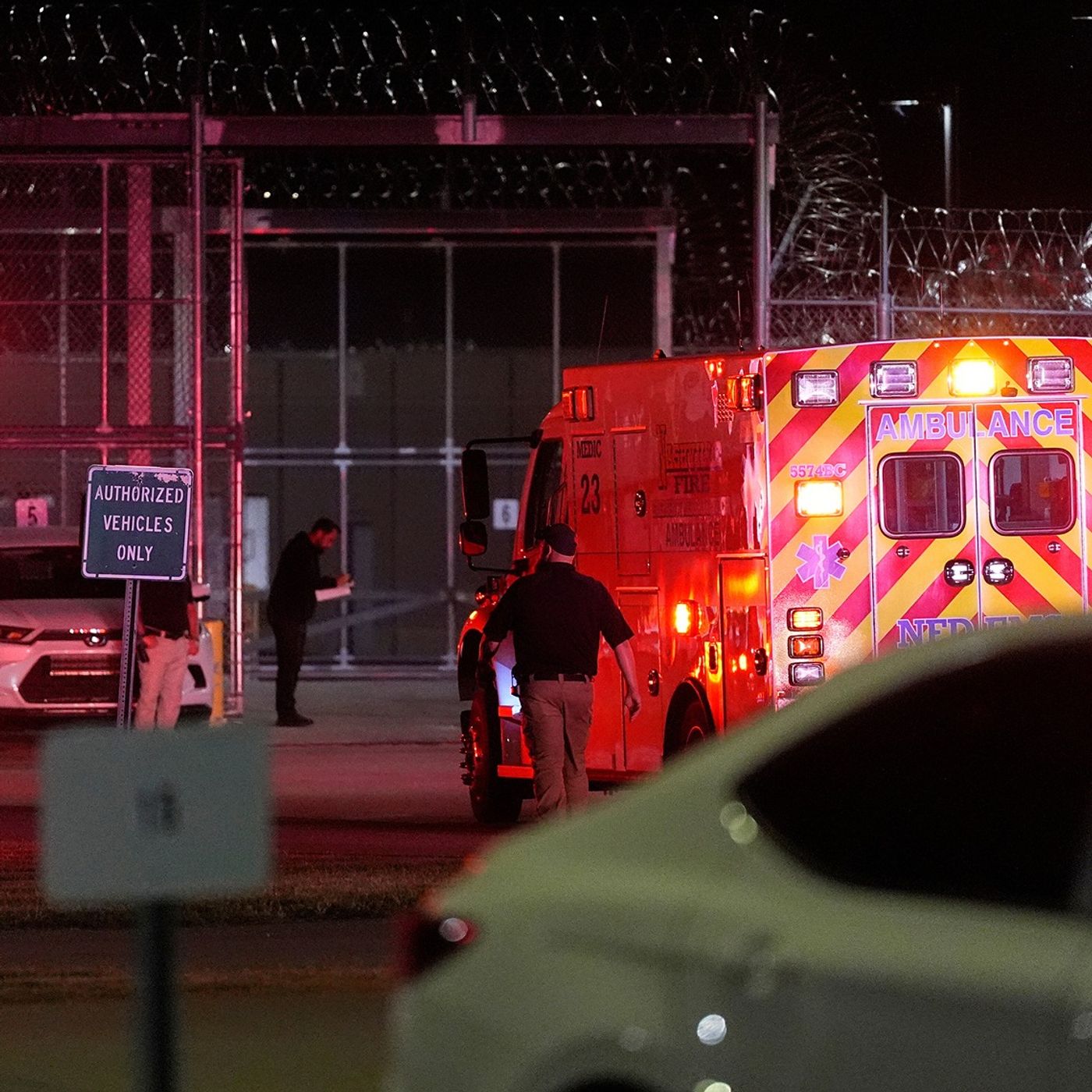
A botched lethal-injection execution in Tennessee reopens the national debate over capital punishment, with journalist Pamela Colloff examining what the failure reveals about the system’s future.
Support for the death penalty surged during the tough-on-crime era, then weakened as crime fell, capital cases grew costlier and DNA exonerations made wrongful executions harder to dismiss.
Lethal injection was sold as a humane, medical-looking alternative, but drug restrictions, reluctant medical professionals and uncertain compounding-pharmacy supplies have made executions harder to carry out.
Florida has moved in the opposite direction, accelerating death warrants under Ron DeSantis while shortening appeals, expanding eligibility and allowing non-unanimous jury recommendations.
The episode’s sharpest warning is that aging prisoners, inaccessible veins, opaque drug protocols and limited oversight could produce more botched executions—even as states revisit firing squads and electric chairs.
Books & mentions
Some links are affiliate links — PodLume may earn a commission if you buy.
