Nov 23, 2026 · 15 min
Breeders reinvent apples through cloning, testing and living gene banks
Your favorite apple is a cloned ovary – and other apple facts
The apples available in stores reflect decades of controlled breeding, while preserved genetic diversity could determine whether future varieties resist disease and improve in flavor.
- 1Commercial apple varieties are genetic clones, propagated from trees rather than grown reliably from their seeds.
- 2Breeders hand-pollinate selected flowers, then evaluate thousands of hybrid apples over years of cultivation and repeated tasting.
- 3DNA markers and living collections of wild trees may speed breeding while preserving traits needed for resilient future apples.
Don't miss
Susan Brown’s account of tasting thousands of hybrid apples shows how much waiting and rejection separates a cross from a viable variety.
The brief
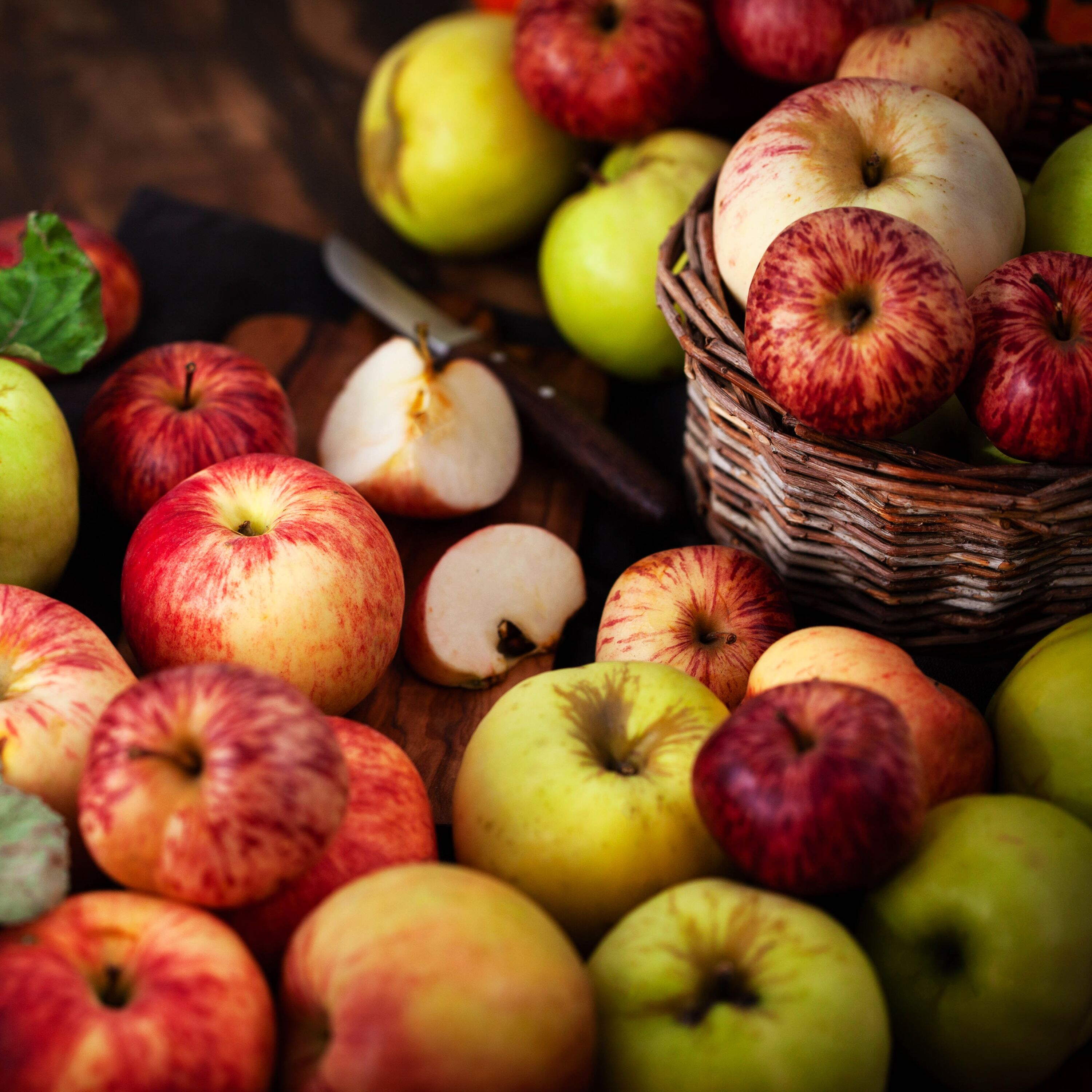
The apple in a grocery store is usually a genetic clone, propagated from a successful tree because planting its seeds produces unpredictable offspring.
Hannah Chin explains how bees create genetically unique apple seeds; Susan Brown describes replacing that randomness with hand-pollination between chosen parents.
Breeders grow the resulting seedlings on rootstocks and wait for fruit, then taste thousands of apples repeatedly, discarding most in search of a promising variety.
DNA markers could predict traits such as color before trees fruit, but the apple genome is complex enough that traditional growing and tasting remain necessary.
Ben Gutierrez makes the case for living collections: an orchard holding wild and commercial trees may preserve genes for future flavor, storage and disease resistance.
Weekly email
State of the Pod, every Monday
The week's most-discussed names and stories from podcasts, with the moments behind them. Free, five minutes, unsubscribe in one click.