Oct 19, 2026 · 2h 4m
Cancer prevention meets the unfinished science of aging
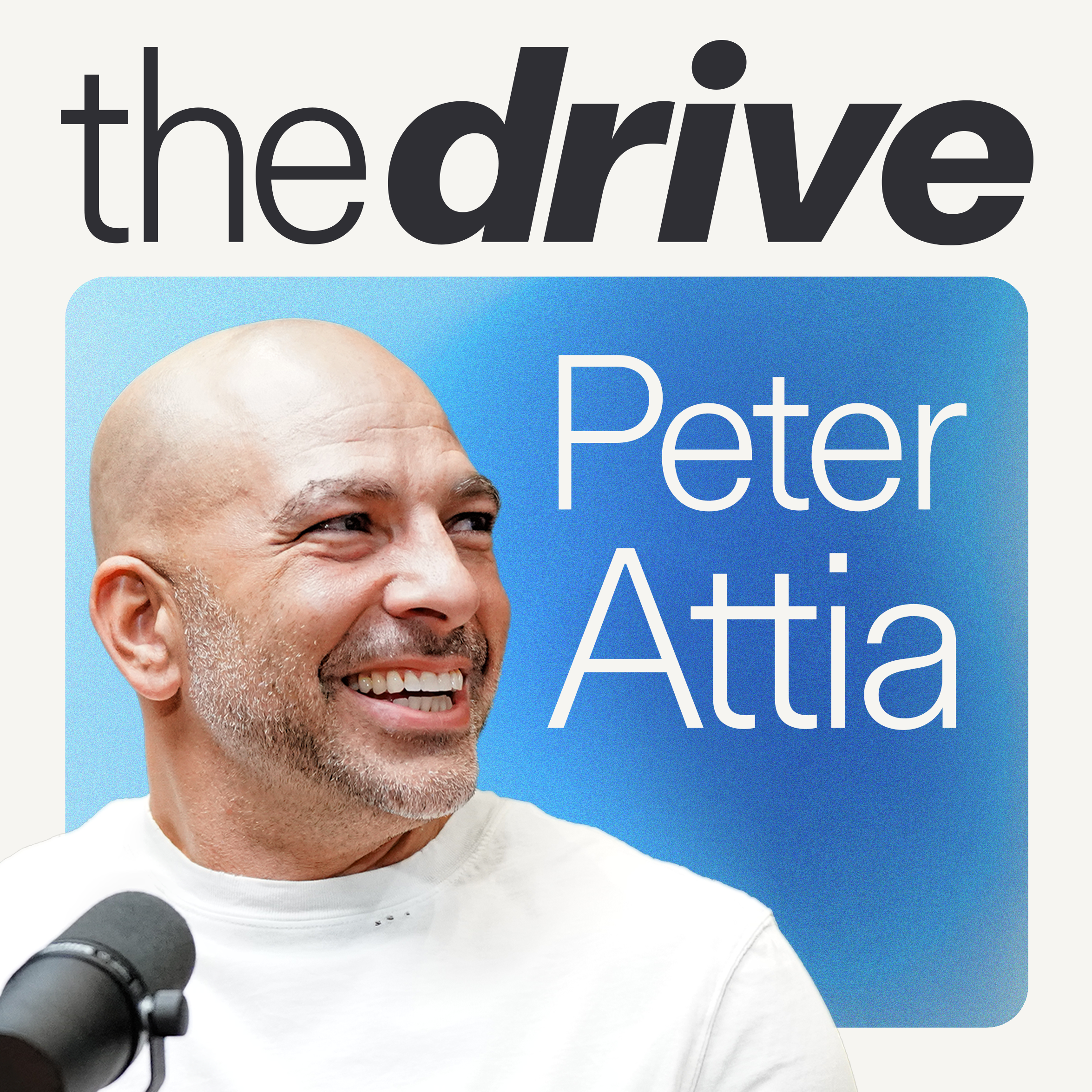
#412 ‒ The evolving science of cancer: emerging approaches to prevention and early detection, and the advances reshaping treatment | Siddhartha Mukherjee, M.D., Ph.D.
The conversation connects cancer risk, immune decline, metabolism, and tissue regeneration to a broader question: how can medicine extend healthy lifespan?
- 1Cancer risk reflects inherited mutations interacting with inflammation, metabolism, environmental exposures, and immune escape.
- 2Emerging tools including checkpoint inhibitors, CAR-T, KRAS targeting, and AI could reshape treatment, but biology remains highly context-dependent.
- 3Preventing disease may not be enough for longevity without biomarkers and interventions that preserve immune function and regenerative capacity.
Don't miss
Mukherjee broadens cancer prevention into a theory of longevity, arguing that preserving regenerative capacity may become the central challenge after major diseases are controlled.
The brief
Siddhartha Mukherjee and Peter Attia frame cancer as a product of inherited susceptibility, inflammation, metabolic signaling, environmental exposure, and immune evasion—not a single disease with one cause.
Their prevention argument turns on a “nudge versus shove” model: modest risks may accumulate, while chronic insulin signaling and inflammation can push vulnerable tissue toward malignancy.
The treatment landscape is advancing through checkpoint inhibitors, CAR-T cells, KRAS targeting, and AI, yet pancreatic cancer and early-onset colorectal cancer expose the limits of current tools.
The conversation’s sharpest turn comes when cancer prevention expands into aging biology: preserving thymic activity, regenerative capacity, and reliable longevity biomarkers may matter as much as preventing disease.
Mukherjee and Attia ultimately argue that prevention could save more lives than treatment, but a true science of aging will require systematic research and long-term institutional support.
Books & mentions
Some links are affiliate links — PodLume may earn a commission if you buy.


Weekly email
State of the Pod, every Monday
The week's most-discussed names and stories from podcasts, with the moments behind them. Free, five minutes, unsubscribe in one click.