Oct 29, 2026 · 46 min
Celebrity CEO myths obscure the work of real leadership
The Myth of the Great CEO
The episode argues that companies are damaged when leaders imitate famous personas instead of building accountable, candid systems for making decisions and correcting mistakes.
- 1Effective CEOs invite dissent, acknowledge uncertainty, and challenge assumptions rather than performing omniscience.
- 2Outcome-based management and clear accountability outperform checklists, excessive approvals, and consensus-driven paralysis.
- 3Boards should judge leaders by how they handle bad news, evidence, and recovery—not by charisma or celebrity.
Don't miss
The hosts’ closing boardroom test contrasts CEOs who lead with bad news and accept responsibility against those who deny evidence and filibuster.
The brief
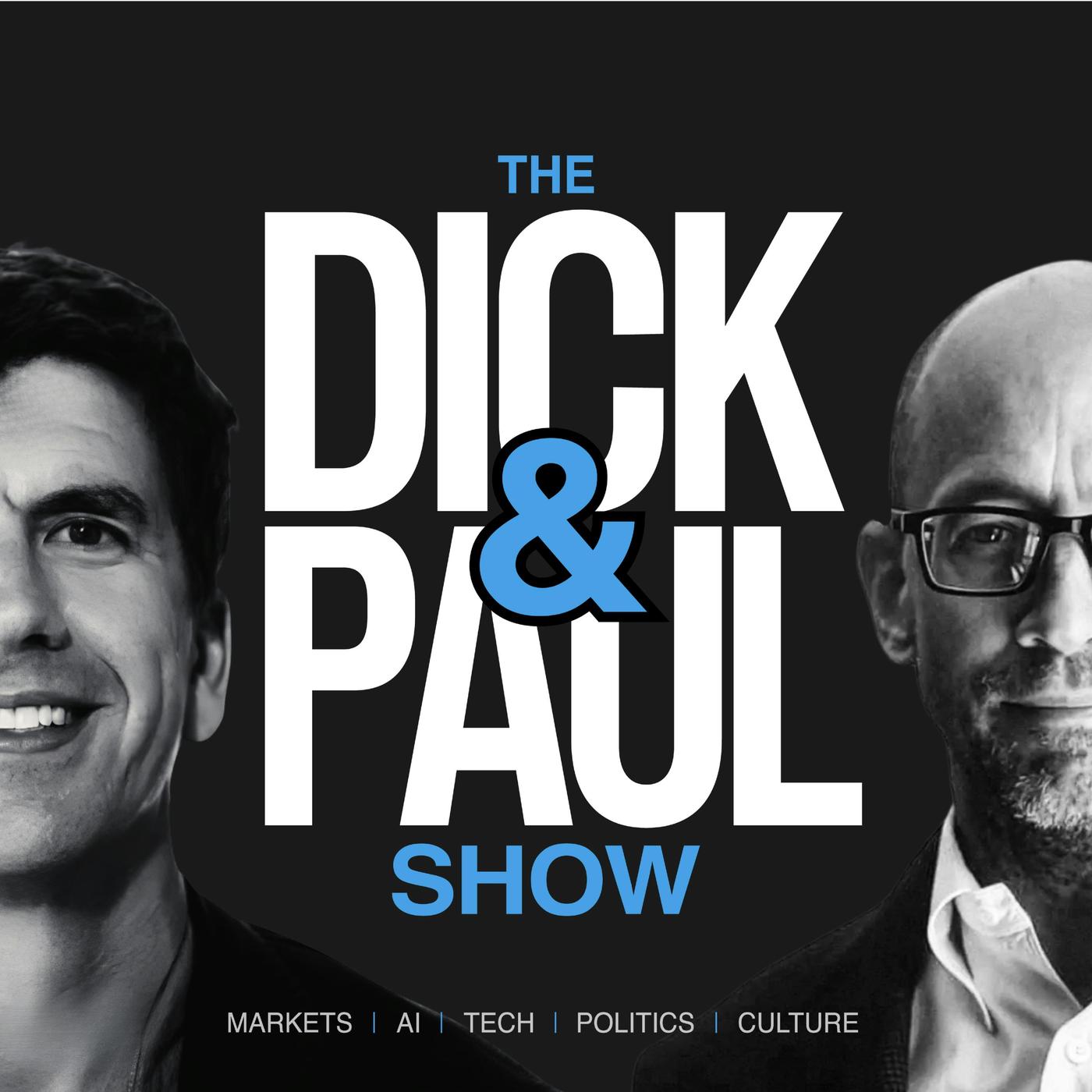
Dick Costolo and Paul Kedrosky open by questioning why companies keep seeking celebrity CEOs and famous board members when operating skill matters more than reputation.
The hosts argue that copying Steve Jobs’s clothes, Elon Musk’s provocations, or Jeff Bezos’s public persona mistakes visible style for the judgment that made those leaders effective.
Costolo makes the case for humility: CEOs who admit uncertainty and invite dissent hear about problems sooner, while leaders who perform certainty suppress useful information.
The episode’s operating model favors outcomes over checklists, quick correction over punishment, and reversible decisions with clear accountability over consensus and endless approvals.
Their closing test is blunt: strong CEOs lead with bad news, accept responsibility, and explain what comes next; weak ones deny evidence and filibuster.
Books & mentions
Some links are affiliate links — PodLume may earn a commission if you buy.

Weekly email
State of the Pod, every Monday
The week's most-discussed names and stories from podcasts, with the moments behind them. Free, five minutes, unsubscribe in one click.