Oct 20, 2026 · 1h 6m
Chuck Lorre traces addiction, Scientology and sitcom success
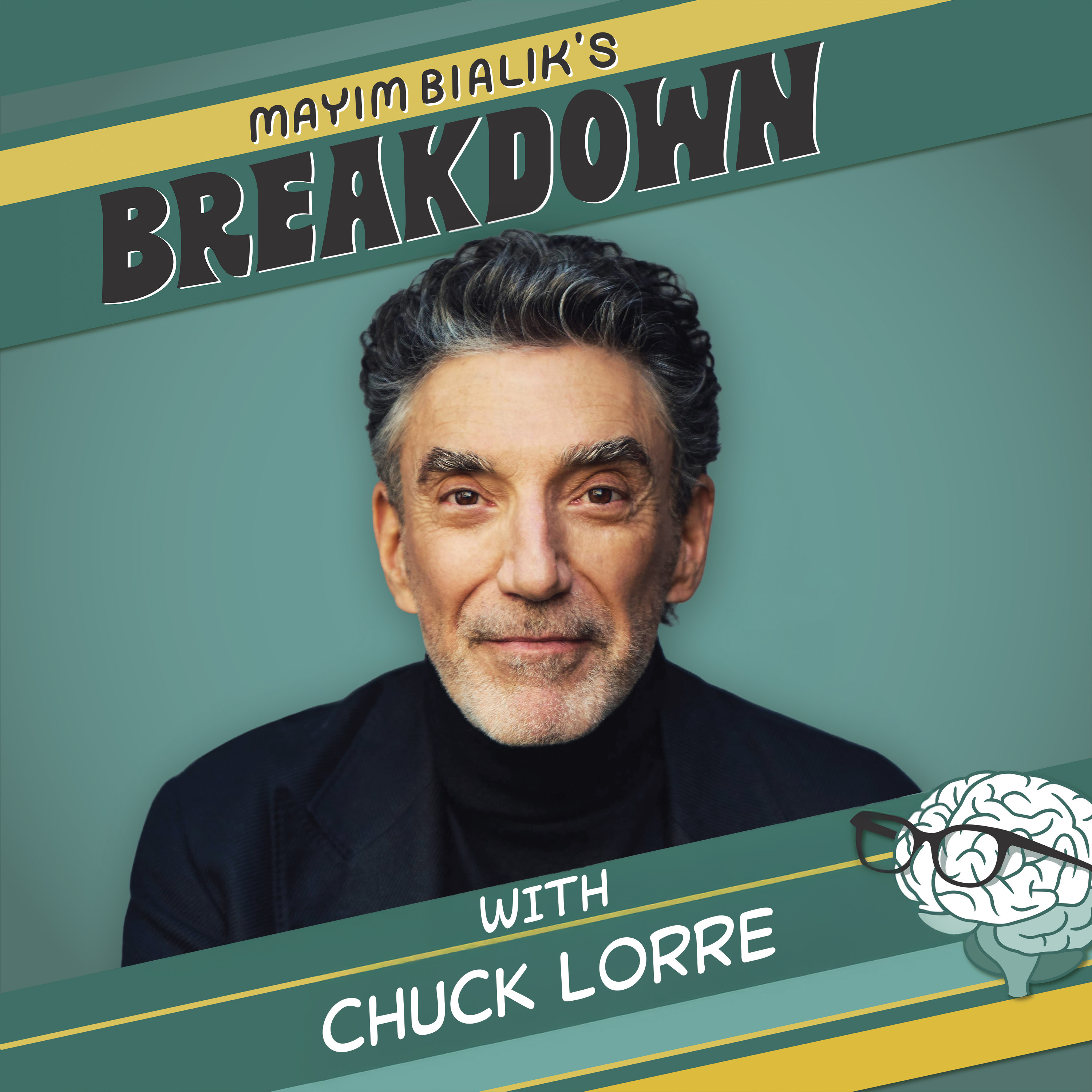
Big Bang Theory & Two and a Half Men Creator on Signing a Billion-Year Scientology Contract, Why Success Didn’t Cure His Alcoholism, and Surviving the Public Battle with Charlie Sheen | Chuck Lorre
Lorre connects the fears and insecurity behind his addiction and career to the creative voice that shaped several defining sitcoms.
- 1Lorre describes alcoholism as an escape from social fear that eventually became isolating and ineffective.
- 2A decade in Scientology gave Lorre promised answers, but poverty, family responsibilities and health needs exposed its limits.
- 3His parents, music career and early comedy influences shaped the difficult mothers and contrasting relationships in his sitcoms.
Don't miss
Lorre recounts the painful anesthetic-free colonoscopy he underwent while struggling with addiction, poor health and no insurance.
The brief
Chuck Lorre’s memoir opens a candid account of childhood insecurity, alcoholism, music and the fear of poverty that preceded his television success.
He describes substances as an early way to feel less afraid around people, then recounts severe health problems that made addiction impossible to romanticize.
A decade in Scientology promised communication and escape from fear, but children, poverty and the absence of health insurance exposed the gap between promise and reality.
Lorre traces his comic sensibility to his parents, Ed Sullivan and Borscht Belt performers, then carries those influences into Roseanne, Dharma & Greg and later sitcoms.
The conversation’s sharpest tension is between public success and private insecurity: television made Lorre powerful, but it did not automatically make him feel safe.
Books & mentions
Some links are affiliate links — PodLume may earn a commission if you buy.

Weekly email
State of the Pod, every Monday
The week's most-discussed names and stories from podcasts, with the moments behind them. Free, five minutes, unsubscribe in one click.