Oct 21, 2026 · 10 min
CIA debate tests the limits of economic espionage
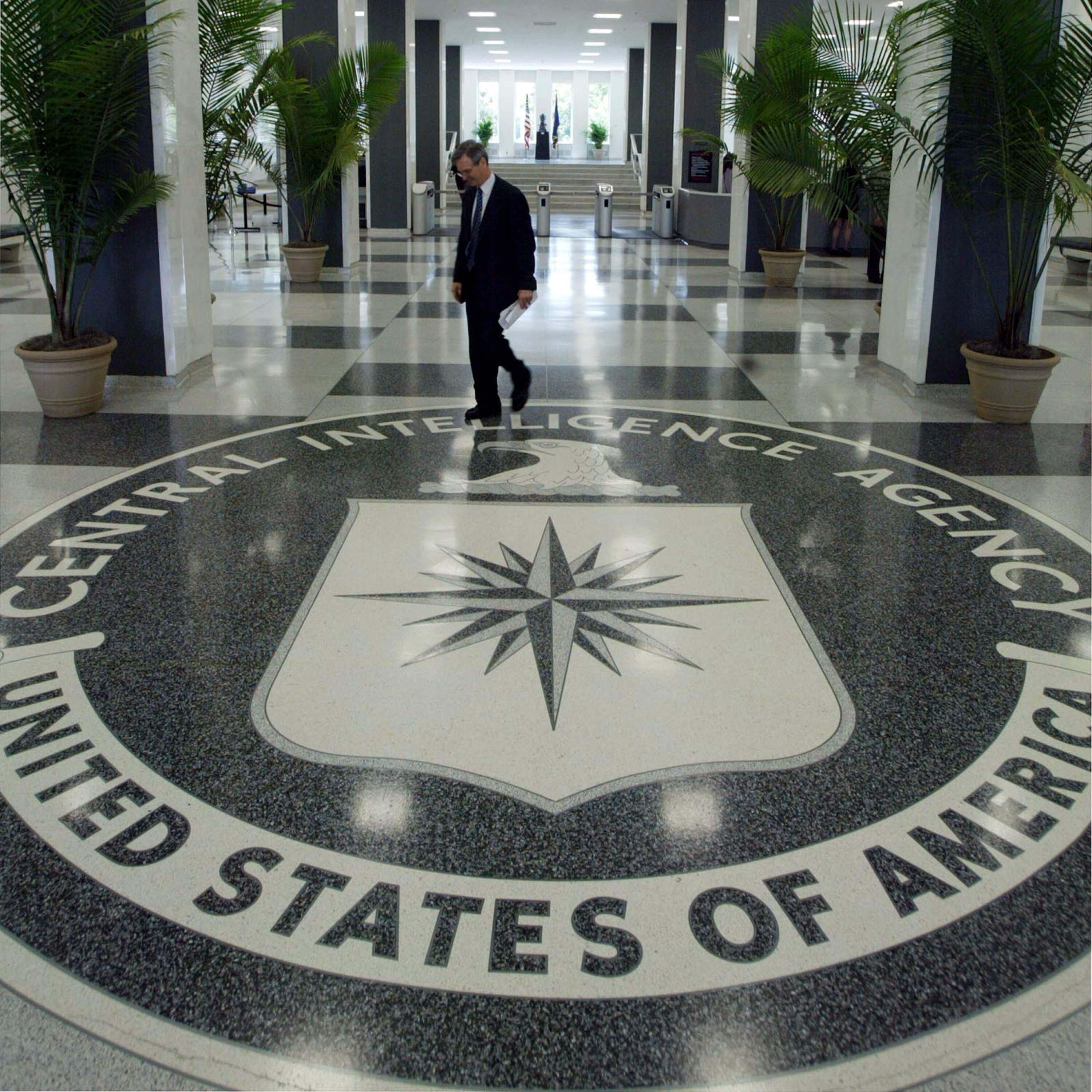
Should the CIA spy on foreign companies to help American ones?
The episode examines whether helping American companies compete can strengthen national security without turning intelligence agencies into tools of favoritism or corruption.
- 1David Cohen argues that strategic competition and China’s rise justify reconsidering longstanding limits on economic intelligence.
- 2Any intelligence-sharing system would require neutral selection criteria, congressional oversight, and inspectors general to constrain favoritism.
- 3Rapidly changing technologies are pushing intelligence agencies toward closer ties with private companies and deeper technical expertise.
Don't miss
David Cohen explains how intelligence could be shared with strategically important companies while using neutral criteria and oversight to limit favoritism.
The brief
Foreign governments and cybercriminals are stealing American intellectual property, prompting a debate over whether U.S. intelligence should help companies fight back.
Former CIA deputy director David Cohen says China’s competition, strategic technologies, and industrial policy have changed the case for keeping commercial interests outside intelligence work.
Cohen proposes sharing intelligence with companies in strategically important sectors, but insists neutral criteria and congressional oversight must prevent political favoritism and corruption.
The discussion’s sharpest tension is institutional: intelligence officers have traditionally rejected risking lives for corporations, even as private firms become central to national defense.
Cohen argues agencies can help companies confront threats such as artificial intelligence by improving government-industry communication and recruiting more technical-sector expertise.
Books & mentions

Weekly email
State of the Pod, every Monday
The week's most-discussed names and stories from podcasts, with the moments behind them. Free, five minutes, unsubscribe in one click.