Sep 15, 2026 · 24 min
CODA makes space telescopes cheaper to build and deploy
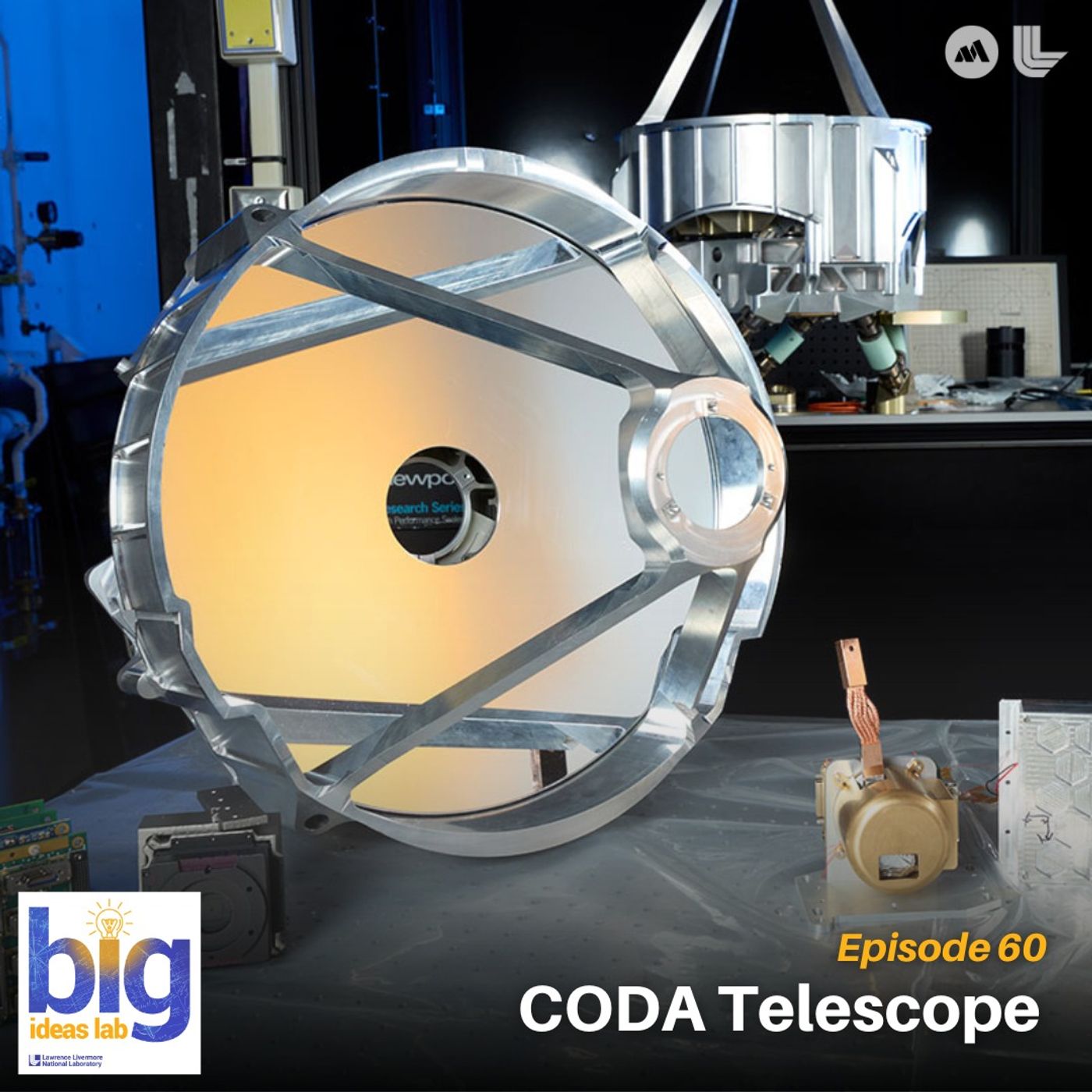
CODA Telescope
CODA tests whether affordable, repeatable telescope manufacturing can expand access to space science beyond a few bespoke missions.
- 1CODA replaces painstaking custom mirror production with a scalable design built from readily available aluminum.
- 2Integrated thermal, structural, optical, and vibration engineering keeps the telescope focused despite aluminum’s expansion in space.
- 3Pandora’s successful deployment shows how low-cost spacecraft and rideshare launches could support future telescope constellations.
Don't miss
Pandora successfully separates in orbit, followed eight days later by CODA’s mirrors receiving their first deep-space light.
The brief
A scientist searches a hardware store for ordinary aluminum destined for space, introducing CODA’s challenge: make a capable telescope from materials that are easy to find and manufacture.
Traditional telescopes demand painstaking grinding, polishing, testing, and retesting. CODA instead pursues a good-enough design that can be produced quickly, affordably, and repeatedly.
Aluminum’s thermal expansion threatens optical precision, so the team designs CODA’s components to expand and contract together while integrating insulation, heaters, structure, and vibration control.
NASA’s Pandora mission makes the concept real under a $20 million cost cap, using a rideshare launch and commercial spacecraft bus rather than redesigning every component.
After a separation mechanism tests slightly outside specification, the team accepts the launch risk; Pandora reaches orbit, and CODA’s mirrors see deep-space light eight days later.
CODA’s flight points toward telescope constellations and lower-cost missions, showing how unconventional combinations of existing tools can widen participation in space science.
Weekly email
State of the Pod, every Monday
The week's most-discussed names and stories from podcasts, with the moments behind them. Free, five minutes, unsubscribe in one click.