Oct 27, 2026 · 60 min
College students always struggled—today’s environments amplify the pressure
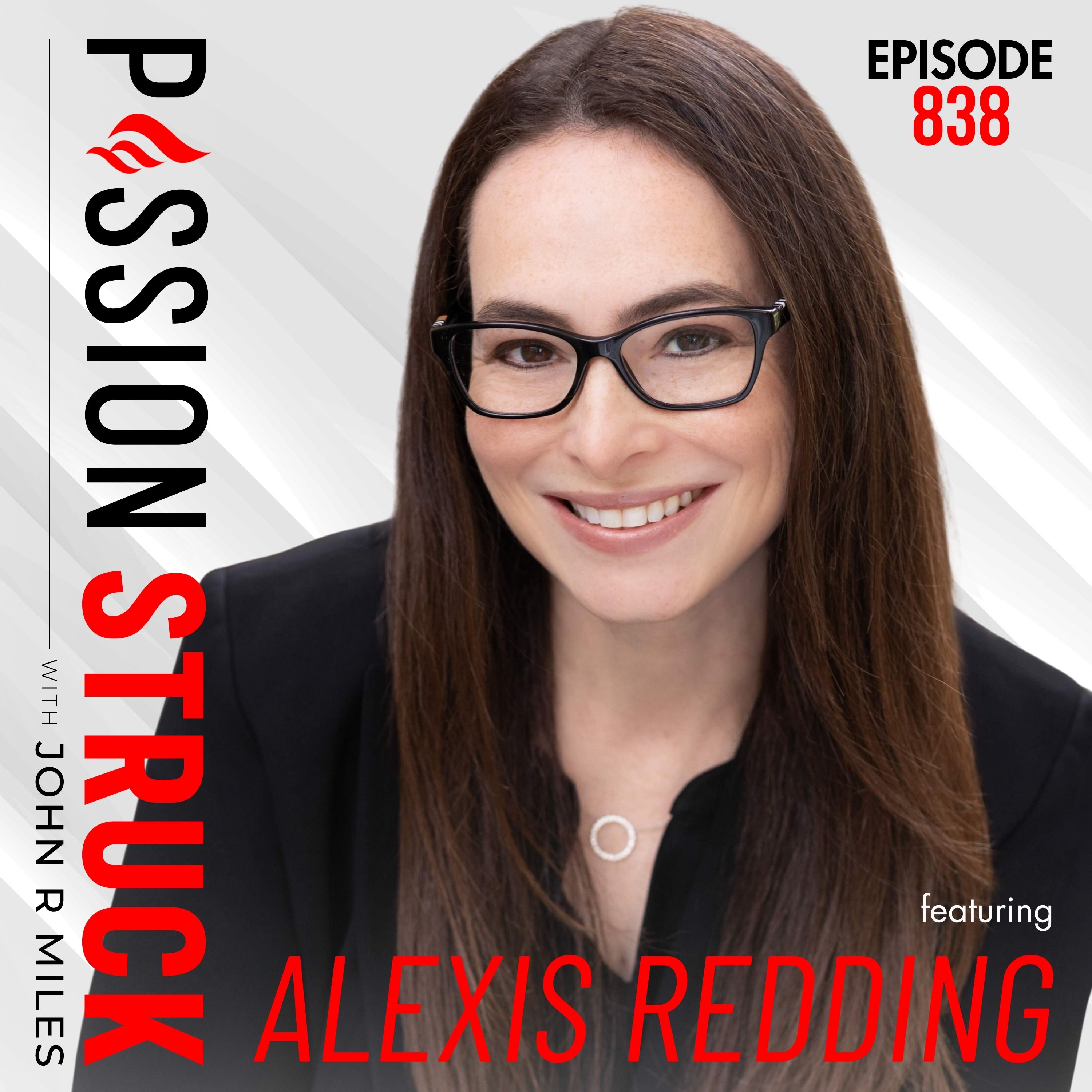
Harvard Psychologist: College Students Have Always Struggled. So What Has Changed? | Alexis Redding – EP 838
The episode reframes youth mental-health concerns as longstanding developmental struggles shaped by changing institutions, achievement cultures, and social conditions.
- 1Students across generations describe remarkably similar loneliness, uncertainty, academic pressure, and anxiety about becoming adults.
- 2Belonging and campus-wide cultures of care influence well-being, academic persistence, help-seeking, and students’ willingness to take risks.
- 3Colleges can prepare students for uncertainty by supporting agency, authentic learning, exploration, resilience, and reinvention rather than effortless perfection.
Don't miss
Redding explains why archival recordings of students from earlier generations sound remarkably similar to students today, challenging the idea that current struggles are entirely new.
The brief
Harvard-affiliated scholar Alexis Redding discusses archival interviews showing that students decades ago sounded strikingly like students today: lonely, pressured, uncertain, and anxious about adulthood.
The archive complicates the idea of a sudden youth mental-health crisis. Redding argues that transition has always been difficult, while contemporary environments may intensify pressures in interconnected ways.
The conversation turns to belonging as infrastructure, not sentiment: students who feel seen and valued are better positioned to seek help, persist academically, and recover from setbacks.
Achievement culture creates a polished surface and private distress, especially when grades, selective admissions, and college decisions make adolescent thinking feel all-or-nothing.
Redding’s broader prescription is developmental rather than protective: colleges should make room for struggle, authentic learning, agency, exploration, course correction, and lifelong reinvention.
Books & mentions
Some links are affiliate links — PodLume may earn a commission if you buy.

Weekly email
State of the Pod, every Monday
The week's most-discussed names and stories from podcasts, with the moments behind them. Free, five minutes, unsubscribe in one click.