Sep 9, 2026 · 28 min
Congress moves deeper into college sports
The High Stakes Politics of College Sports
Federal policy could reshape player representation, eligibility, conference power, and the financial divide between college programs.
- 1Congressional intervention is expanding as college sports struggles to resolve governance, labor, and financial disputes internally.
- 2Conference realignment and wealthy outside interests are widening the gap between major programs and smaller schools.
- 3Lane Kiffin’s Ole Miss departure exposes how unstable eligibility rules and roster decisions leave players vulnerable.
Don't miss
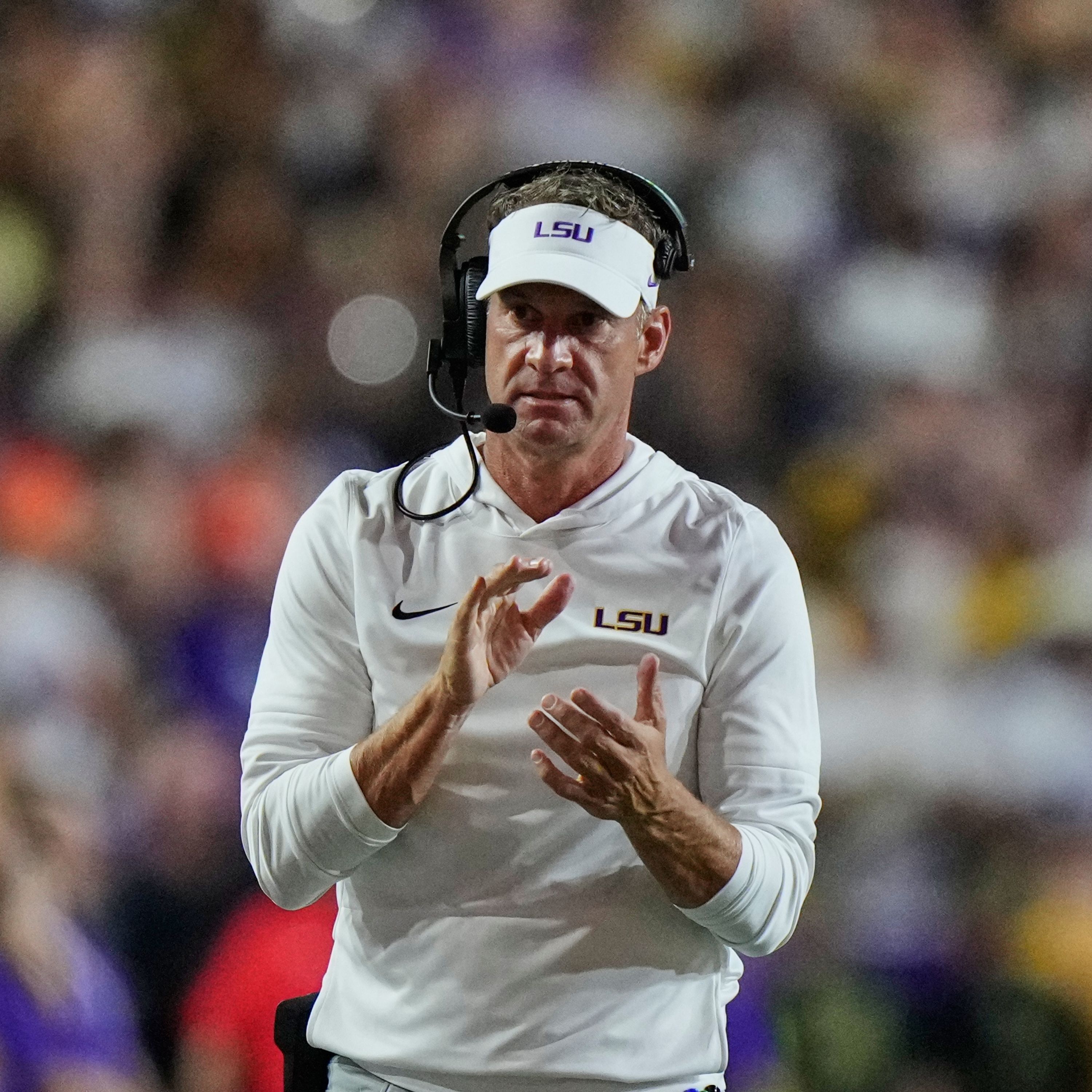
Finebaum sharply criticizes Lane Kiffin’s departure from Ole Miss after its first College Football Playoff appearance, tying it to broader instability in the sport.
The brief
Paul Finebaum joins Jane Coaston to examine why Congress is moving into college sports as the NCAA, conferences, and administrators lose control of a rapidly changing system.
Finebaum opposes congressional intervention but supports an antitrust exemption for leagues, revealing the sport’s central tension: it wants federal stability without federal management.
Conference realignment and widening financial disparities have left smaller programs behind, while wealthy boosters and private equity interests gain influence over college athletics.
The sharpest dispute concerns Lane Kiffin’s departure from Ole Miss and his handling of two players caught between expanded eligibility rules and professional ambitions.
The episode closes on a system still searching for representation, consistent eligibility standards, and a workable balance between player interests and institutional power.
Weekly email
State of the Pod, every Monday
The week's most-discussed names and stories from podcasts, with the moments behind them. Free, five minutes, unsubscribe in one click.