Nov 1, 2026 · 48 min
Cornell 7 case tests prosecutorial fairness and investigative rigor
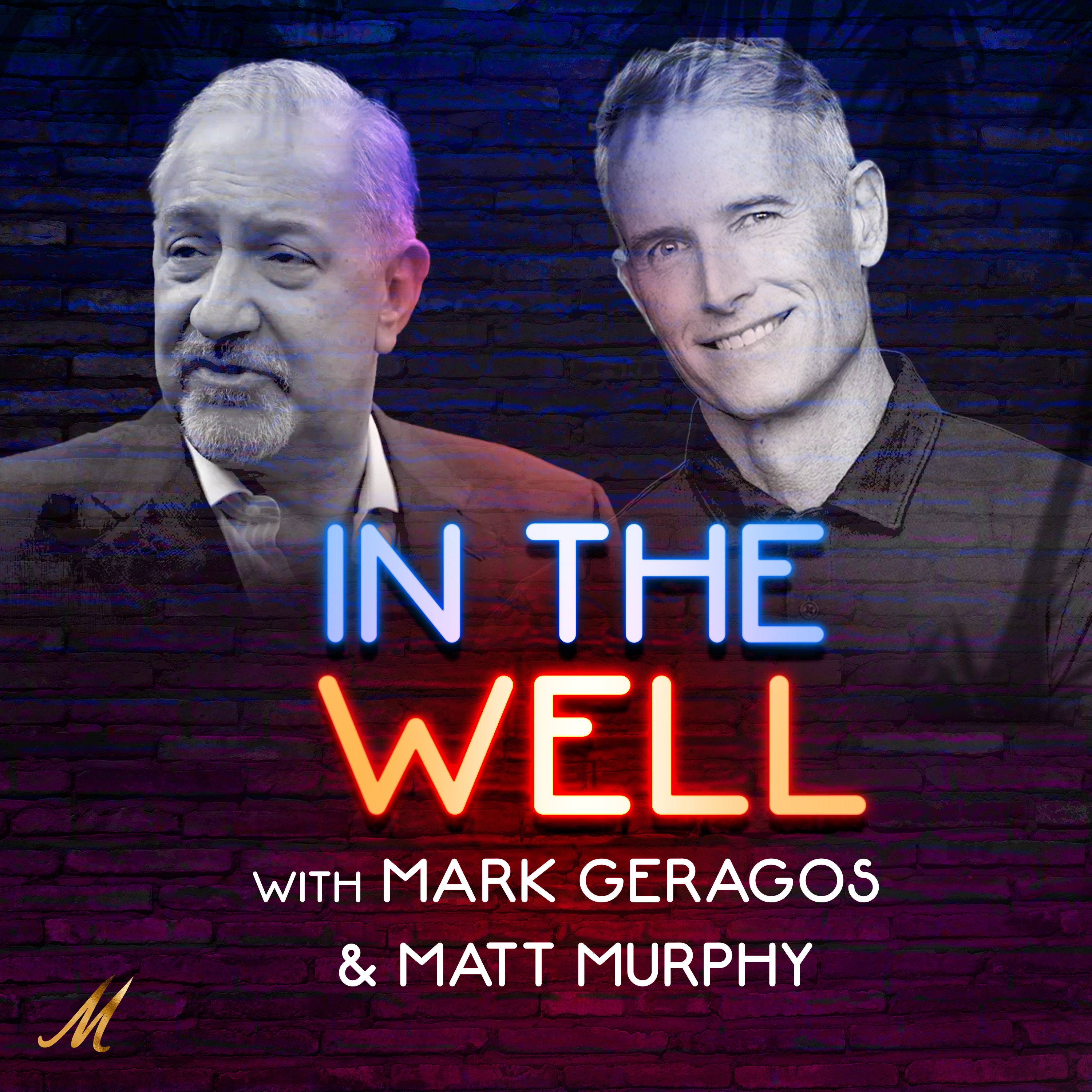
Cornell 7 Case: Criminal Defense Attorney and Sex Crimes Prosecutor Weigh In: In The Well
The discussion examines how consent, intoxication, public pressure, and alleged investigative failures can shape both criminal justice and reputational harm.
- 1Prosecutors must resist public pressure and pursue fairness even when allegations provoke intense outrage.
- 2The hosts question whether investigators adequately tested allegations before publicly identifying or potentially misidentifying young men.
- 3An independent prosecutor could address conflicts and strengthen public confidence, but only if the evidence supports further action.
Don't miss
Matt Murphy condemns the alleged failure to conduct basic due diligence before publicly naming a fraternity president in a civil complaint.
The brief
Mark Geragos and Matt Murphy frame the Cornell 7 case around a clash between prosecutorial and defense responsibilities, focusing on consent, intoxication, and acquaintance-rape allegations.
Murphy argues that prosecutors must resist mob justice, especially when public outrage makes unpopular defendants easy targets and weak cases tempting to pursue.
The discussion widens to fraternity culture and prevention, while questioning whether investigators conducted basic due diligence before naming or potentially misidentifying young men.
The hosts examine New York Attorney General Tish James’s role and debate whether an independent prosecutor could reduce conflicts or merely shift the same evidentiary questions.
The standout tension is the asymmetry between protecting an accuser’s identity and publicly identifying defendants, particularly when the underlying investigation remains contested.
What was said on this episode
30 statements · 8 positive · 19 negative · 3 neutral
Prosecutors need subjective certainty and reasonable belief in conviction before filing charges.
“you must have. subjective certainty that the person did it and number two you must have a reasonable belief that you can convince a jury beyond a reasonable doubt under the law of whatever state you're in”
Listen at 8:55
Prosecutors should not file when either ethical charging requirement is unmet.
“if the answer to either one of those questions is no, then you cannot and should not ethically file a case like that”
Listen at 9:48
Fundamental fairness is a prosecutor’s most important job.
“Perhaps the most important job of any prosecutor, Mark, and that is fundamental fairness.”
Listen at 10:48
California’s gang-leader targeting program was effective.
“And I'll tell you, it worked.”
Listen at 11:48
A defendant’s bad character cannot ethically justify filing criminal charges.
“You can't file a case because somebody's an asshole. You can't ethically file a case because somebody's an asshole.”
Listen at 13:13
Abandoning due process to fight injustice creates additional injustice.
“As soon as you start abandoning due process or fundamental fairness, you are now creating injustice in the idea of fighting injustice.”
Listen at 14:07
Mob justice is inherently unjust.
“Mob justice is injustice every frigging time.”
Listen at 15:14
Voluntary intoxication to unconsciousness should not defend someone who commits rape.
“personally, I think that a woman who is voluntarily intoxicated to the point of unconsciousness, it should not be a defense if somebody takes advantage of that and then rapes her.”
Listen at 18:32
Fraternities are not rape petri dishes but their opposite.
“In fact, they are the exact opposite. And I will debate it any time with anyone.”
Listen at 20:32
UCSB’s Greeks Against Rape program succeeded and spread to other schools.
“it was a huge success. It started getting adopted by other schools.”
Listen at 22:49
Civil plaintiffs’ lawyers should conduct due diligence before naming defendants.
“You have a responsibility before you name somebody in a complaint to do a modicum of due diligence before you ruin the life of a young man.”
Listen at 24:10
The plaintiff’s lawyer should have checked the fraternity president’s identity before accusing him.
“It is inconceivable to me that you would not check that before you accuse somebody of being responsible for a vicious gang rape.”
Listen at 25:28
The plaintiff’s lawyer falsely claimed he only responded to defense statements.
“that is a demonstrable falsehood. That is not true.”
Listen at 26:55
The Cornell Title IX investigation was thorough.
“they did a pretty thorough job here, Mark.”
Listen at 27:36
Hair testing conclusively disproved the ketamine allegation against two men.
“they were able to conclusively prove that that part of the statement is not true.”
Listen at 28:15
Tish James announced bias before reviewing the investigation or case files.
“she has already like announced a bias before she is in any official capacity has had an opportunity to review the investigation or the files.”
Listen at 29:21
The California attorney general’s office is inept at sexual-assault cases.
“they are utterly inept in sexual assault cases.”
Listen at 30:19
New York’s attorney general’s office lacks competence to successfully prosecute Cornell 7.
“There is no team of lawyers in the AG's office in New York that has the competence or professional experience to successfully prosecute this case under prong number two.”
Listen at 31:29
Tish James cannot successfully prosecute Cornell 7.
“They can't win it, Mark. They cannot win it. Tish James can't win it.”
Listen at 32:24
Tish James cannot successfully prosecute Cornell 7.
“Tish James can't win it.”
Listen at 32:26
A good judge would find Tish James’s prior statements create apparent impropriety.
“a good judge would look at her statements ahead of time and say, yes, this has the appearance of impropriety”
Listen at 33:14
Prosecutors cannot file when they believe guilt but cannot prove it beyond reasonable doubt.
“you see cases where you believe fervently that the person is a horrible human being, that they even committed the crime, but you can't prove it, which means you missed that second prong. You cannot file that case.”
Listen at 36:08
Prosecutors cannot file cases they believe but cannot prove.
“you cannot file that case”
Listen at 36:19
Prosecutors can file, decline, seek further investigation, or determine innocence.
“there's three things you can do. You can file it, you can refuse it, and you can refuse it for additional follow-up, or you can make a determination that... The person's innocent.”
Listen at 37:26
A fair prosecutor would properly decline the Cornell 7 case.
“any fair prosecutor who reviews these facts that isn't bowing to the mob is going to refuse it just like the DA did. This was a proper refusal.”
Listen at 40:58
The DA properly refused to prosecute Cornell 7.
“This was a proper refusal.”
Listen at 41:05
The Cornell 7 case should not be filed because prosecutors cannot win it.
“i don't see how you ever file this because i don't see how you ever win it”
Listen at 41:18
Fraternities are not inherently hotbeds of rape and sexual assault.
“the idea that fraternities are this hotbed or Mark use the word petri dish of rape and sexual assault is bullshit.”
Listen at 46:06
Cornell’s shutdown of some fraternities was wrong.
“I think that the that Cornell shutting down some of the fraternities. I think that's wrong.”
Listen at 47:19
Mob-driven processes unfairly decide guilt by discarding due process and incomplete facts.
“whether or not you would want them to go through a process where the mob decides their guilt or innocence, where due process is thrown to the side and where people are treated fundamentally unfairly to appease the emotions of a mob that doesn't know all the facts.”
Listen at 47:45
Statements are attributed to the speaker as said on the episode and reflect their view at the time, not PodLume's. They are not advice.
Weekly email
State of the Pod, every Monday
The week's most-discussed names and stories from podcasts, with the moments behind them. Free, five minutes, unsubscribe in one click.