Nov 5, 2026 · 1h 8m
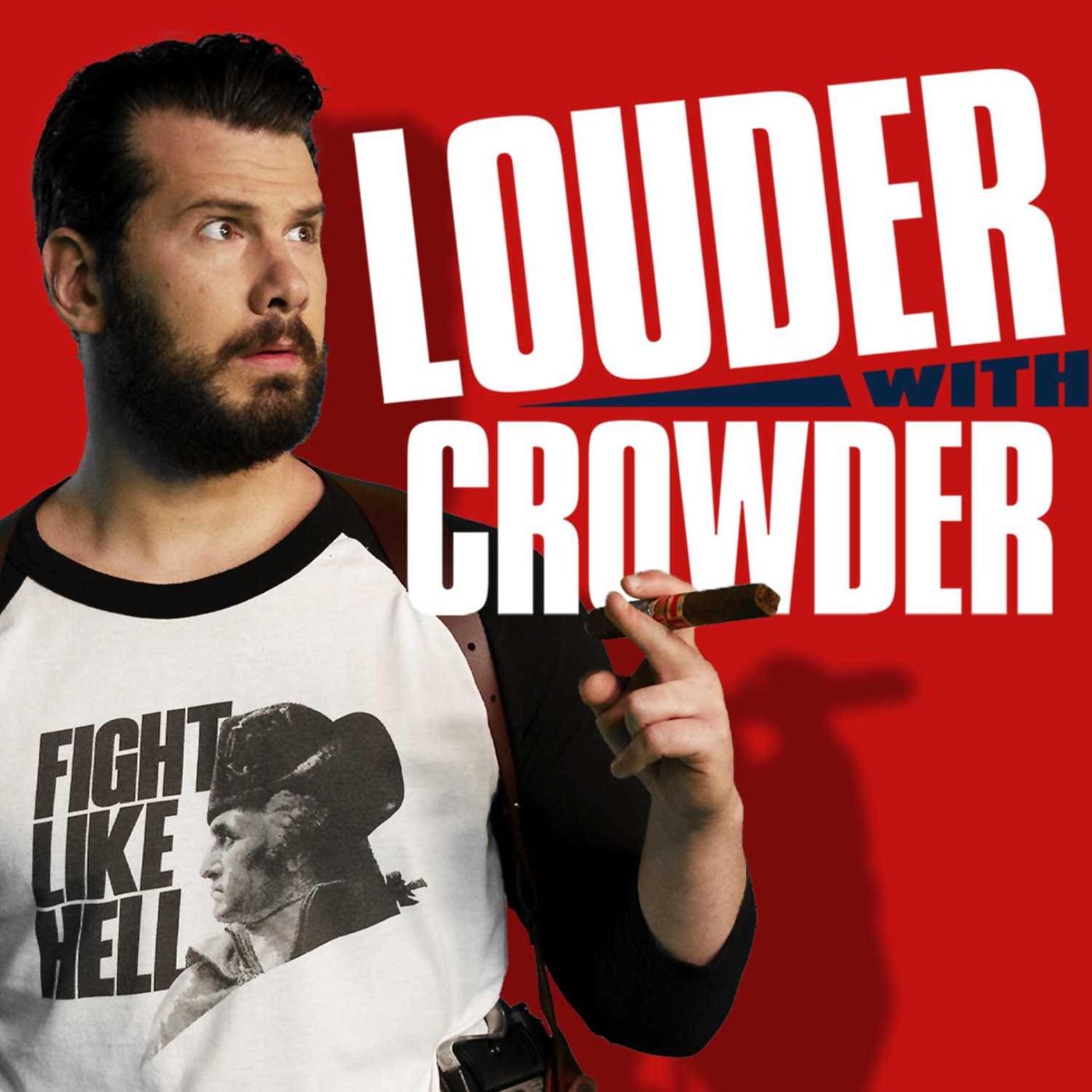
Crowder blames Republican losses on turnout and political pandering
Midterm Disaster Reaction: How We Fight Back
The discussion connects midterm losses to an unstable coalition, distrust of establishment politics, and potentially consequential changes in Texas policy.
- 1The hosts argue that turnout, demographic shifts, and volatile younger voters made Republican support less durable than expected.
- 2They frame voter rejection of the “new swamp” as a rebuke of imposed candidates, staged outreach, and political pandering.
- 3They warn that Texas’s incoming administration could reshape school choice, immigration enforcement, and border policy quickly.
Don't miss
The clearest warning comes when Crowder links the incoming Texas administration’s control of the National Guard to possible changes in border enforcement.
The brief
Steven Crowder and Josh Firestine open with Republican disappointment before separating the election’s serious losses from claims that the party faces political extinction.
Their diagnosis centers on turnout, demographic shifts, candidate quality, and younger voters whose support—especially among Gen Z men—cannot be treated as a permanent Republican base.
Crowder identifies rejection of the “new swamp” as the central message, arguing that voters distrust imposed candidates, staged grassroots appearances, and promises designed mainly to win constituencies.
The discussion then turns to Texas, where the incoming administration could oppose school choice, reduce immigration-enforcement cooperation, and resist border-wall construction.
The closing warning is broader than one state: Texas policy, including control of the National Guard and border operations, could foreshadow national immigration compromises.
Weekly email
State of the Pod, every Monday
The week's most-discussed names and stories from podcasts, with the moments behind them. Free, five minutes, unsubscribe in one click.