Sep 26, 2026 · 1h 30m
Dylan Gossett argues for creative friction over algorithmic control
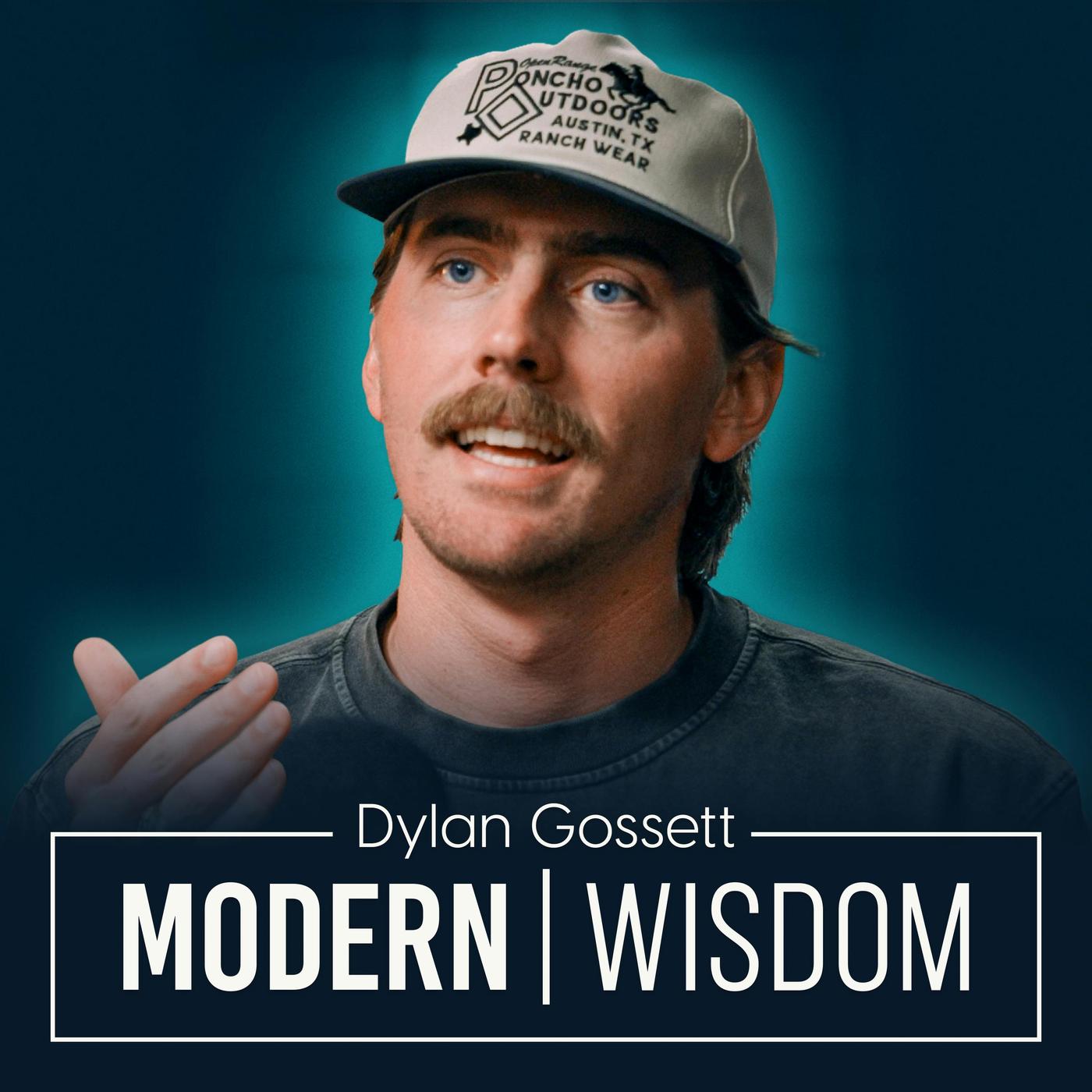
How To Make Your Creativity Beat The Algorithm (w/Live Performance) - Dylan Gossett - #1155
The conversation examines how musicians can protect authorship, vulnerability, and artistic freedom as promotion, technology, and audience feedback increasingly shape careers.
- 1Dylan Gossett’s breakout success with “Coal” reflects accumulated effort as much as timing, promotion, or sudden visibility.
- 2AI can reduce creative friction, but outsourcing difficult choices may also weaken authorship and the imperfections that give art character.
- 3Audience feedback and commercial systems can help songs travel while gradually capturing artists and narrowing the work they feel free to make.
Don't miss
Dylan Gossett performs “Clothesline” after explaining why he wants an album to surprise listeners rather than follow rigid release formulas.
The brief
Dylan Gossett performs “Headed Back to Austin” before explaining how “Coal” began as a hook during a demanding period working at the Circuit of the Americas.
The breakout did not erase the business of music: promotion, touring costs, ticket pricing, and social-media circulation all shape whether attention becomes a sustainable career.
Gossett describes writing from melodies, gibberish, and emotionally resonant phrases at home, contrasting that private process with Nashville’s collaborative machinery.
Their AI debate turns on a practical moral boundary: tools can assist creative work, but replacing the difficult act of deciding may hollow out ownership.
The conversation links country music’s emotional openness to masculinity, then warns that instant feedback and audience capture can turn artistic freedom into performance management.
Gossett closes with “Clothesline” and a defense of resisting rigid release formulas, preserving surprise even when the music business demands constant teasing.
What was said on this episode
24 statements · 7 positive · 10 negative · 4 mixed · 3 neutral
Being a music artist involves substantial business responsibilities.
“music as an artist, I think people don't understand it is such a business.”
Listen at 9:36
Coal’s primary strength is its songwriting.
“I think the strength of this song is in the writing.”
Listen at 16:11
Audiences are difficult to deceive with manufactured authenticity.
“people are smarter than they ever are. Like, dude, you're not going to fake it.”
Listen at 18:45
Highly polished or very raw music currently outperforms music in the middle stylistic range.
“the ends of the barbell are where people are succeeding. So yeah, very, very produced, right? Like super, super polished or very raw and stripped back. And I think the middle is where people seem to go to die at the moment.”
Listen at 20:36
Country music’s current rise will eventually reverse while rap music rebounds.
“at some point country will be back down and rap will be back up.”
Listen at 21:17
Coordinated niche-account promotion increases exposure but does not guarantee a hit.
“they'll pump someone's song on stuff like that. Now I'll say now more than ever, that doesn't mean that you're going to have a hit song.”
Listen at 24:14
Selling concert tickets is becoming harder because touring competition has increased.
“even that's getting harder with just how many— everyone and their mom is touring right now.”
Listen at 25:13
Attending a major stadium concert can cost a couple thousands of dollars in total.
“for me and my wife to go, that's going to be a 4-figure day.”
Listen at 26:48
Sustaining sudden music success is harder than achieving a major breakthrough.
“the hardest part is maintaining it.”
Listen at 28:40
Dylan often begins songwriting with melodies and later discovers evocative words.
“I'll try to find a melody that I think is like, but I'm not saying anything. And eventually maybe like a word will come to me that feels very thought-provoking”
Listen at 32:47
Dylan prefers not to write songs for others when he believes he could perform them himself.
“I don't think I could write a song for someone else that I think that I could sing because I just want to sing it.”
Listen at 36:24
Relying entirely on AI for writing removes meaningful creative highs and lows.
“if you just write AI the rest of your life, like there's, I don't know, there's no, there's no like highs and lows in that.”
Listen at 47:14
Art’s value depends partly on imperfection and uniquely human expression.
“the whole point of art is that it's not perfect and it feels like something only humans can do”
Listen at 49:25
Imperfections can improve the character and quality of recorded music.
“the imperfections almost make it perfect sometimes.”
Listen at 54:14
Independent laptop-recorded songs can outperform most heavily funded collaborative releases.
“I can write a song, called like Cole that I believe in, and I can record it on my laptop, I put it out, and it does better than 99% of all the money-pushed multi-songwriter songs.”
Listen at 56:54
The music industry seeks to identify and replicate successful songs’ formulas.
“people are going to be like, what did they do? Why did it work? How do we replicate it?”
Listen at 57:55
Using AI to maximize hidden songwriting assistance reflects deliberate boundary-pushing.
“I think if you're doing that, like, you know what you're doing.”
Listen at 59:57
There is a meaningful distinction between human-made music and music made by external tools.
“you're either making music or something else is making the music for you.”
Listen at 1:01:10
Artists should evolve beyond the sound their audience expects.
“I think you have to try to expand your sound.”
Listen at 1:15:24
Audience feedback can cause creators to become trapped performing an audience-approved persona.
“if you're not careful, especially if you're doing something that's very iterative over time, your audience doesn't fall in love with you. They fall in love with your projection of what you think they want you to be.”
Listen at 1:17:35
Creators who contort themselves for audience approval eventually resent their audiences.
“every single person eventually has ended up resenting the audience”
Listen at 1:17:59
Instant social-media feedback negatively affects artists.
“everything's so instant that like, I think that messes with artists quite a bit of just the most instant feedback you can have.”
Listen at 1:20:14
Dylan prefers flexible, week-by-week release decisions over a fixed singles calendar.
“I would rather go like week by week or like feel it out.”
Listen at 1:23:42
Releasing a complete album without advance singles can create greater listener excitement.
“there's a side of me that's like, man, wouldn't it be great just to give fans just 12 new songs that everyone can be excited for?”
Listen at 1:24:29
Statements are attributed to the speaker as said on the episode and reflect their view at the time, not PodLume's. They are not advice.
